


An investigation into the battle at Yiftach Outpost on October 7 revealed the composure, determination and professionalism of the female lookouts who operated under chaos. Their actions saved the lives of many soldiers during the massacre and in the days that followed, when terrorists still roamed the sector. Yet, after Ynet reported that the investigation was compiled without taking any testimony from the lookouts and without inviting them to its presentation, the full findings were shown to the female operators only a month ago.
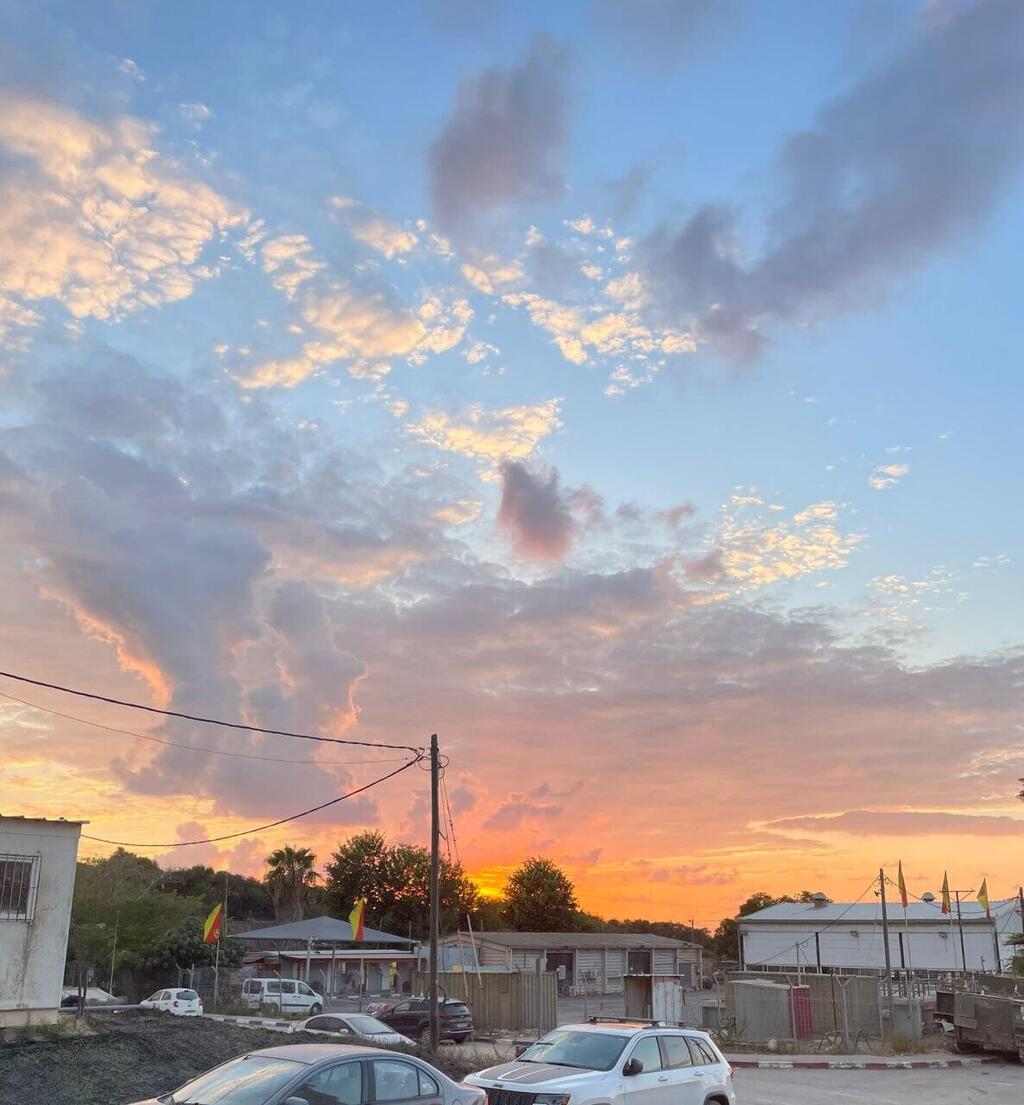
One lookout singled out was Isabella Sanger, 23, who enlisted in October 2021 and was set to be discharged at the end of October 2023, but after the war began remained serving in continuous reserve duty until May 2024. The report describes how, when exhausted terrorists tried to escape Yiftach with a stolen IDF Humvee, Sanger identified them and opened fire using the “Roeh-Yoreh” ("See-Shoot") remote-controlled weapon system. The attackers abandoned the vehicle and fled on foot inside Israeli territory, but she tracked and killed them.
Sanger told Ynet: “The terrorists had damaged all five Roeh-Yoreh systems in the command center. When I arrived to reinforce, I was told they were all down. It’s an old system, but I knew it well and decided to test. I found one camera still working, fired a test round, and saw it function. I took the position, got clearance and opened fire. At first I missed—they hid behind barriers—but another lookout told me to wait until they advanced into a clear line of fire. I aimed where they would reach the fence, and when they arrived, I opened fire again and killed them. Only when the investigation was presented did I realize they were eliminated.”
Another lookout, Hila Avraham, 21, from Moshav Sde Avraham near the Gaza border, had just finished a night shift when the attack began. “We ran to the open shelter as sirens began and explosions wouldn't stop,” she said. “About 20 minutes later, six girls got dressed and ran to the command center because there were reports of infiltration from the sea. I stayed in the shelter, but later we were ordered into the sealed safe room—about 20 of us packed tightly inside, no air. Around 9:30 a.m. I went with a friend to the command center. At the entrance there was blood everywhere from the wounded being treated inside. Once I took my post, the first thing we saw on screen were the terrorists with rifles on the Humvees, and later civilians from Gaza looting.”
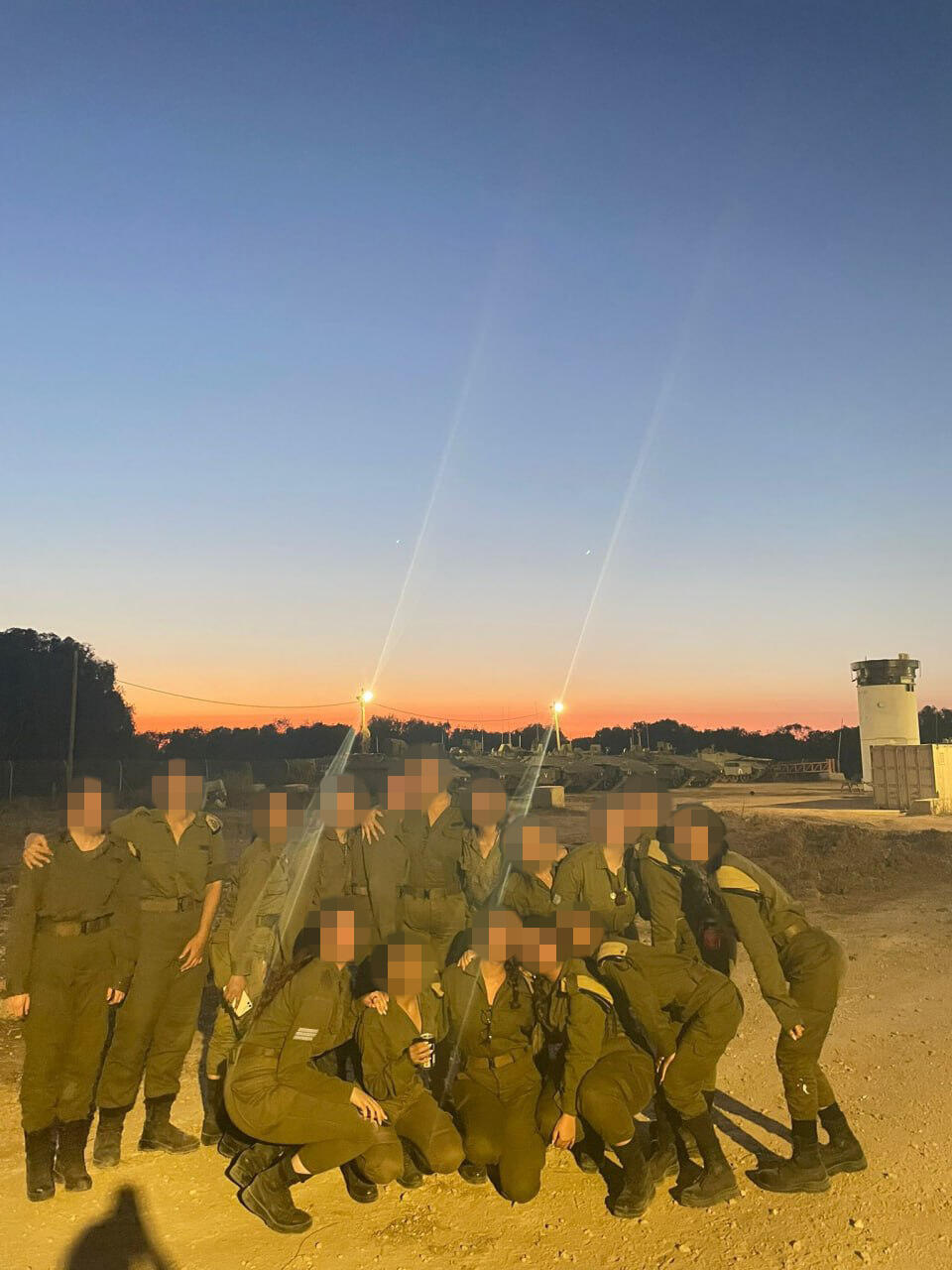
Yiftach outpost lookouts in better days
Avraham added: “We didn’t leave the command center for 11 straight days. No showers, we washed hair in the sink. We sat in the hallway, boys and girls crowded together. It was clear we had to stay and do our duty. As far as I know, the base itself was only cleared by the evening of October 7, but we still saw terrorists moving outside.”
She was also among the first to see the investigation’s presentation on June 12. “We thought they would detail more about what we endured in the command center. We were disappointed no one asked us questions while compiling it. They told us it focused on those who fell in battle, not the survivors’ story. But in Yiftach, not one lookout abandoned her post. We never looked away, even when terrorists were right outside.”
Another soldier, identified only as N., 22, also said: “The report praised our work as lookouts, but we should have been included earlier. We waited two years for answers, and then we were hit with this like a bombshell. If we had been more involved, maybe we could have processed it sooner.”
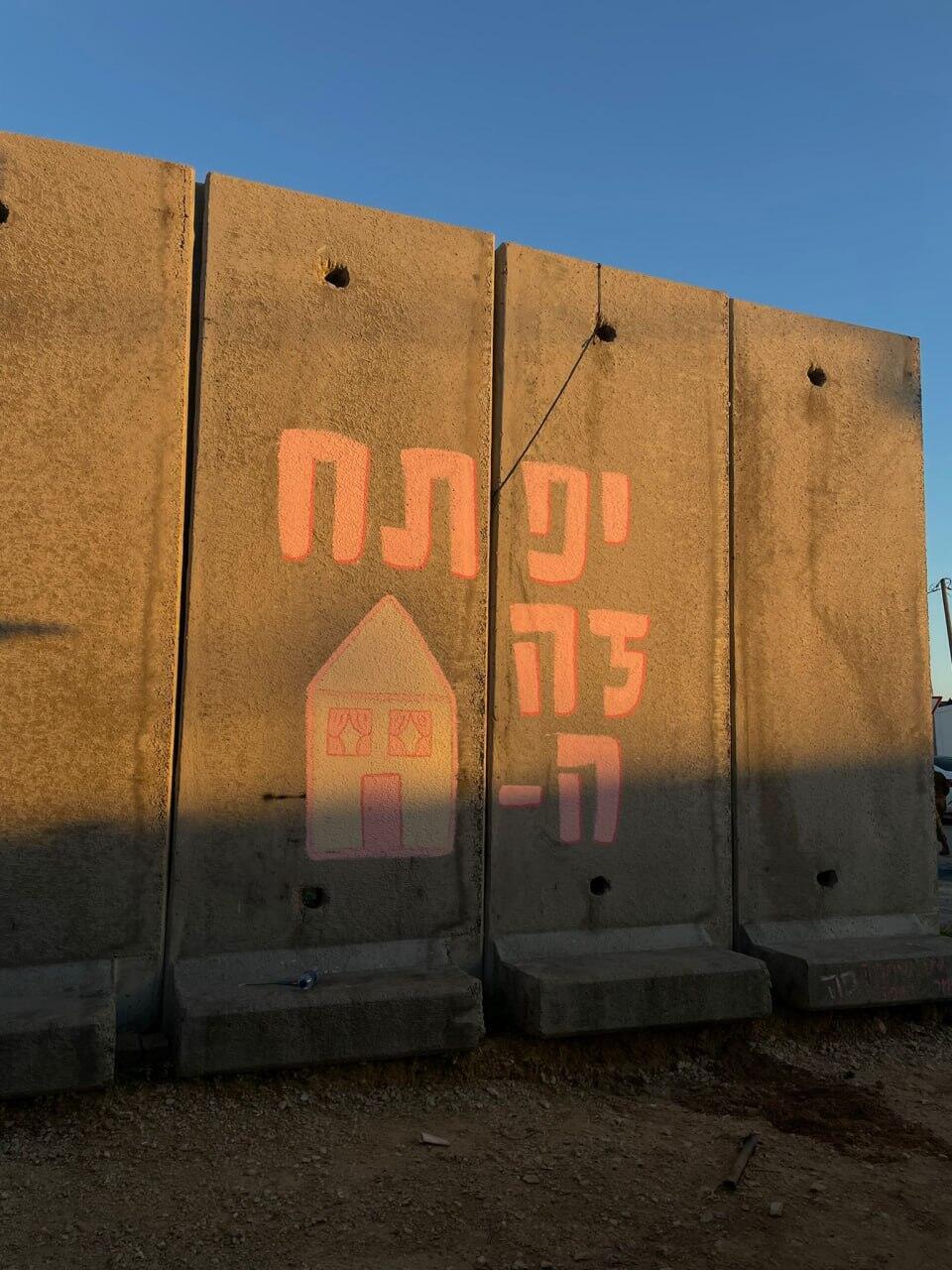
'Yiftach is home' written in Hebrew
Adi Sadeh, 21, from Nes Ziona, said the findings “helped me get closure, to understand details we didn’t know, like how the Roeh-Yoreh system killed infiltrators who had physically entered the base. Our commander, Isabella, acted without hesitation and eliminated them. We realized only later how deep the infiltration had been.”
She added: “We did so much that day and in the days after. Terrorists kept hiding in the dunes, and the soldiers in the field would never have known without our alerts. We saved lives. A few days later I spotted a terrorist near Yiftach’s gate, guided forces, and he was eliminated. They explained the report focuses on the fallen, but it should also expand on what we did under fire. The girls gave everything they had, no matter what happened around them.”