

Warnings about demons and witchcraft, local hunters carrying improvised rifles, a punishing climb to a remote summit and villages almost completely cut off from the outside world: Israeli geologist and adventurer Adam Jano set out to investigate a mystery he had first spotted on Google Earth and found that the journey itself was every bit as compelling as the destination. “The summit is part of the journey, but the road itself is the experience,” Jano, 43, told ynet.
Jano, who lives in Klil in northern Israel, had noticed strange structures surrounded by walls on a remote mountain ridge in Sierra Leone. Curious about why they had been built there, he decided to travel into the country’s rugged interior and see for himself. But when he reached the villages near the mountain, local residents warned him not to climb. “The tribal elder told me, ‘Don’t go up there, it’s very dangerous. There are ghosts and demons there,’” Jano said.
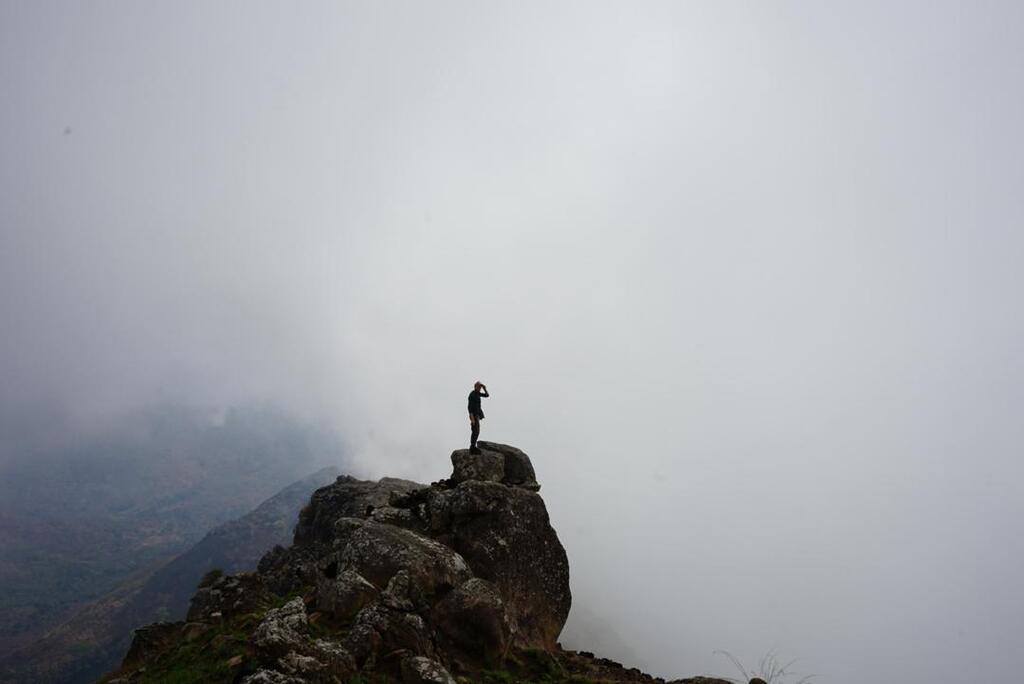
The journey to the mountain
(Video: Adam Jano)


“The people who live there don’t climb that high. They believe demons come out at night, abduct children, cause women to miscarry and bring bad luck to the village.”
The elder also told Jano that, when he was a child, a group of foreigners had once arrived and climbed to the summit. “I told him I also wanted to go up, and that if I saw it was dangerous I would turn back,” Jano said. “In the end he gave me his blessing and sent some of the local hunters with me.”
The unusual expedition began long before that encounter. Jano spent years living in West Africa, working in geology and public relations while traveling through and documenting remote places that rarely appear on mainstream tourist routes.
“I have a very strong love of nature,” he said. “My biggest hobby is reaching remote places that are outside the normal tourist map. If there’s a famous high mountain in the area, I’ll look for the second- or third-highest mountain instead, because it gets less attention and far fewer people go there.”
He said he is drawn to places on maps that look like unanswered questions. “I saw that on a high ridge there were villages with a wall around every house,” he said. “That looked strange to me because in those parts of West Africa they usually don’t build fences like that.
“I thought to myself that it must be a very remote, isolated place, and I wanted to understand why they did it. Maybe because of dangerous animals, strong winds or superstition.”
The destination he had marked was in Sierra Leone’s Tingi Hills, a mountainous and forested region in the east of the country. At the heart of the reserve rises Mount Sankan Biriwa, whose summit reaches about 1,850 meters and is considered the country’s second-highest peak.
But reaching the unusual compounds Jano had seen required traveling far beyond the point where the road ended. “You take a motorcycle taxi along a trail,” he recalled. “Eventually even the trail ends. The motorcycle driver knew a little English and spoke the local language, so he became my interpreter. I told him, ‘Come on, you’re already here, come with me.’”
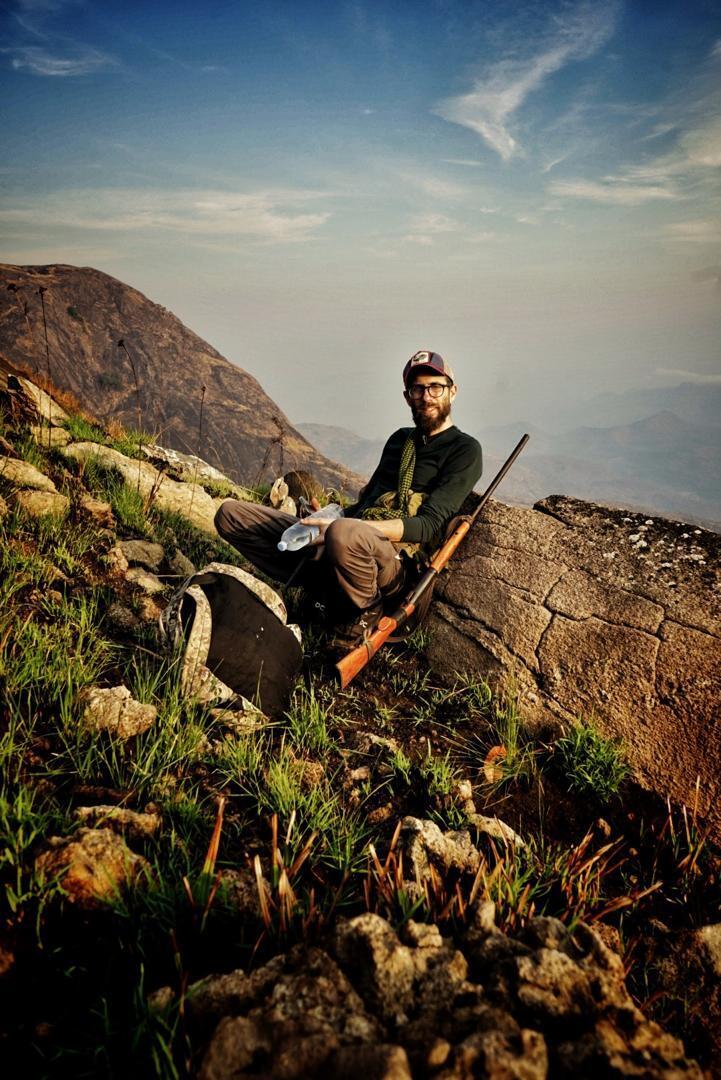
Adam on his way to the summit
(Photo: Courtesy of Adam Jano)
The farther they traveled toward the mountain, the more isolated the villages became. “These are hunters and farmers who work the land and live with almost no connection to the wider world,” Jano said. “Some of them have never even been to the capital. They are in the forest, cut off, and they barely see outsiders. They didn’t speak English, so all our conversations went through the interpreter.”
In the village of Kanwa, near the mountain, Jano first heard about the traditional fear among members of the Kuranko ethnic group about climbing it. “They believe in what they call ‘juju,’ a kind of magical power,” he said. “I don’t know the names of the demons or all the details of the belief, but for them it was a real reason not to go up there.”
Despite those warnings, the village elder eventually gave his blessing, and several local hunters agreed to join the climb. “They had old, improvised rifles,” Jano said. “They even recycle old shotgun shells and reuse them.”
Eleven young men, overcoming their fear of the mountain’s juju, initially set out with him. At first, the hunters led the way, moving through familiar forest and hunting animals for food. But as the group climbed higher and left the terrain they knew, the roles reversed. “Up to a certain altitude, they knew the area and were busy hunting,” Jano said. “But beyond a certain point, they had never been up there either.
“Suddenly they were looking at me as the guide because I had planned the route and was leading it.
“We started with 11 people,” he said with a laugh, “but the journey was hard enough that most gave up and turned back. In the end, only three hunters managed to reach the summit with me.”
Trekking and mountaineering in West Africa were far from comfortable. Jano carried canned food and treated stream water with chlorine tablets. For the hunters traveling with him, however, hunting was not recreation but a basic source of food. “They are champions at hunting because that’s their food,” he said. “They catch small birds in nets, burn off the feathers over a fire and then clean them.
“I tasted the bird for the experience, but I didn’t eat the rat or the animal that looked like a raccoon.”
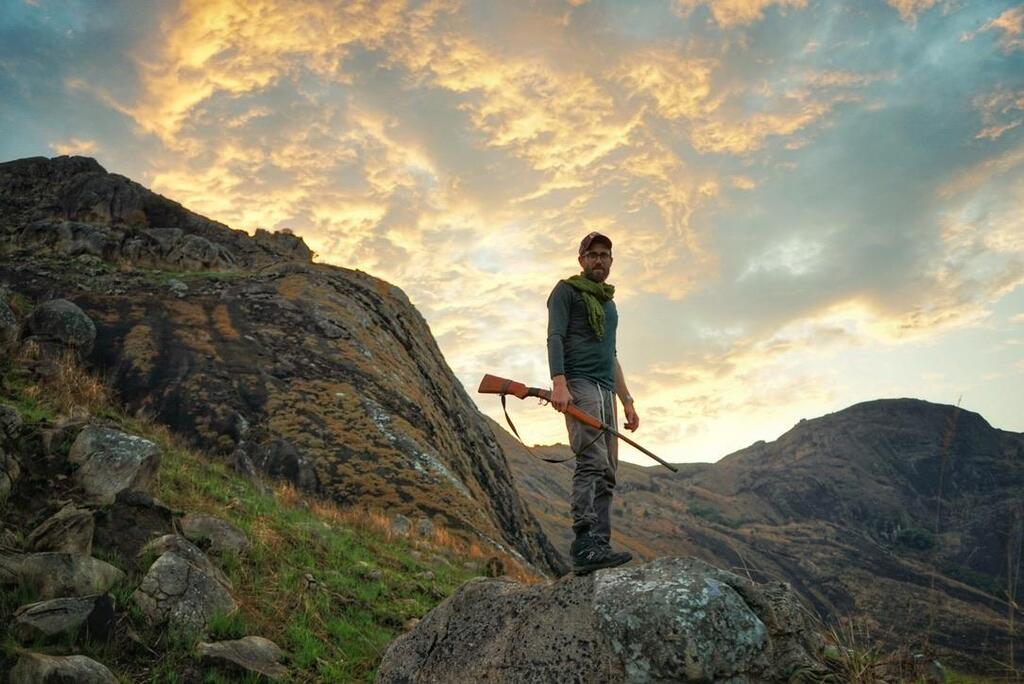
Adam Jano climbs the cursed mountain
(Photo: Courtesy of Adam Jano)
The bond between Jano and the hunters grew through small moments along the way. “I brought a pomelo from the city. They had never eaten a fruit like that,” he said. “When they opened it and saw the tiny seeds, they thought it was hilarious. How could such a huge fruit have such tiny seeds? That became their joke.”
The climb up Sankan Biriwa was particularly moving for him. “You climb the mountain and all you see is endless green,” Jano said. “There is no civilization anywhere around you, just mountains and jungle. You feel very far from everything you know, and that’s a feeling I’m addicted to. “Suddenly you can think with a clear head.”
At the remote summit, Jano made an unexpected discovery: a concrete geodetic survey marker dated 1969. “At the top of the mountain I found the summit marker, and then the story the old man had told me suddenly made sense,” he said. “Those were probably the foreigners he had encountered as a child on their way up.”
Beside the marker, Jano found another remnant of that expedition 57 years earlier. “They left a beer bottle,” he said. “There was a note inside it, but it disintegrated in my hands and I couldn’t read what was written.”
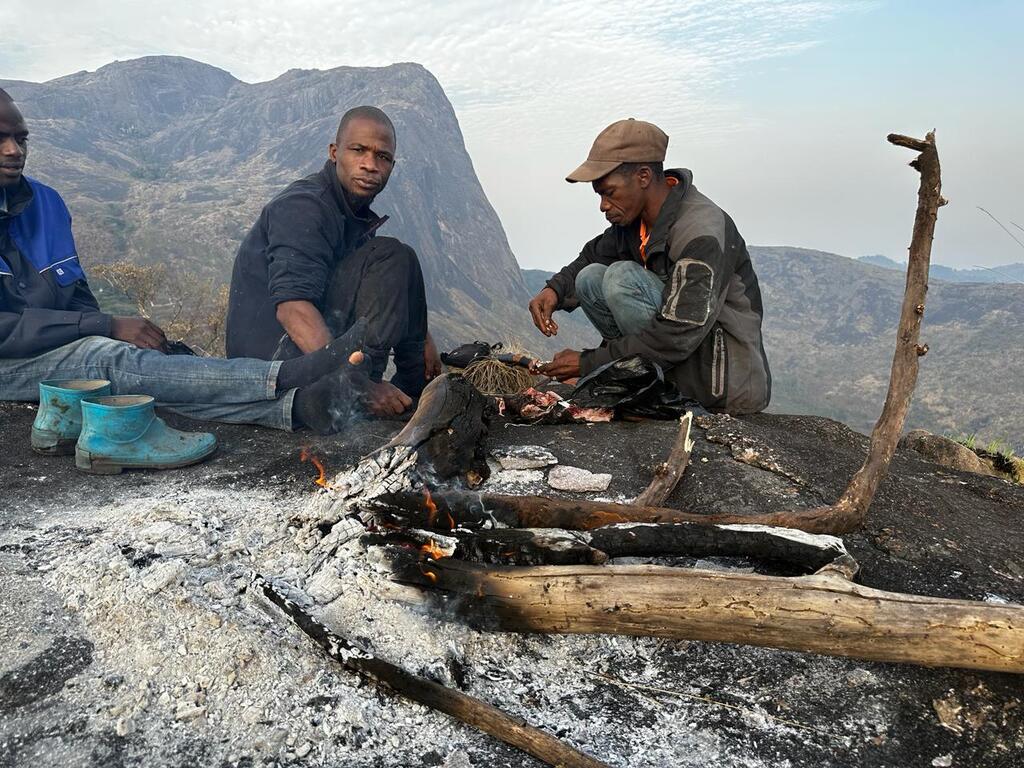
At the summit with the hunters
(Photo: Courtesy of Adam Jano)
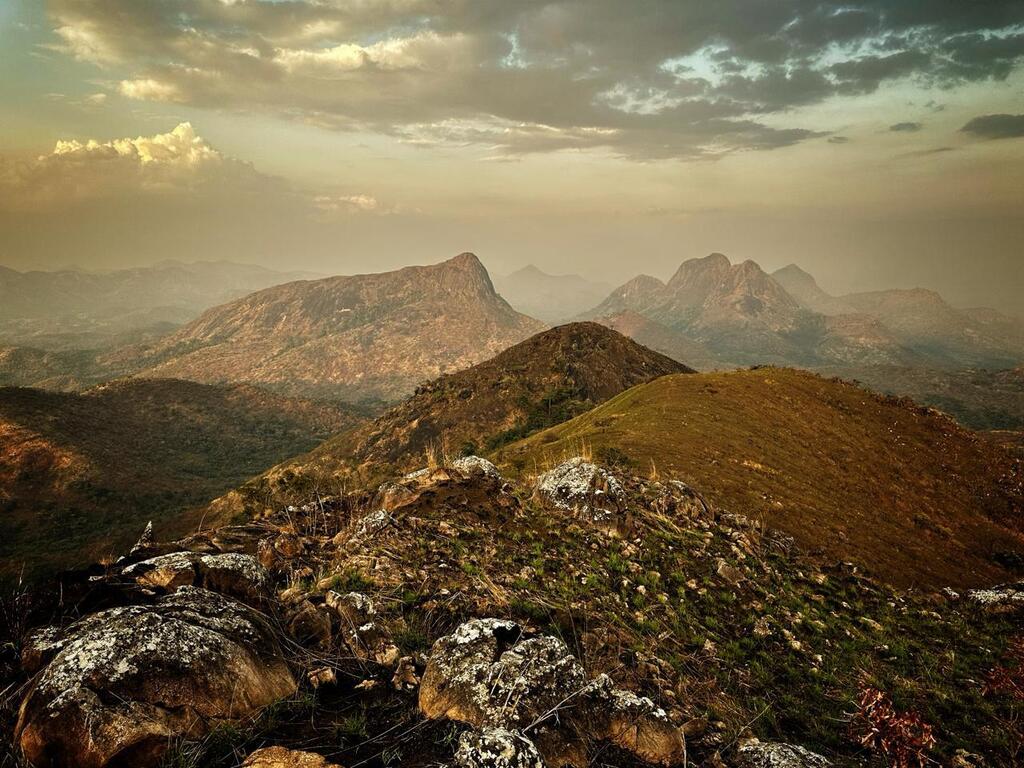
The view from the summit
(Photo: Courtesy of Adam Jano)
Was reaching the isolated summit the high point of the trip? “Everyone wants to hear about the mountain, but honestly, the experience is the journey,” Jano said. “You arrive in a city, improvise your route, meet people and bring along someone you didn’t know before. The summit is part of the journey, but the road itself is the experience.”
On the descent, the group found a small stream with a striking natural pool. “It was like a natural infinity pool overlooking an insane view,” Jano said. “We bathed there and took the way down slowly.
“Usually the descent is harder than the climb, especially on the knees, but this time it was really enjoyable.”
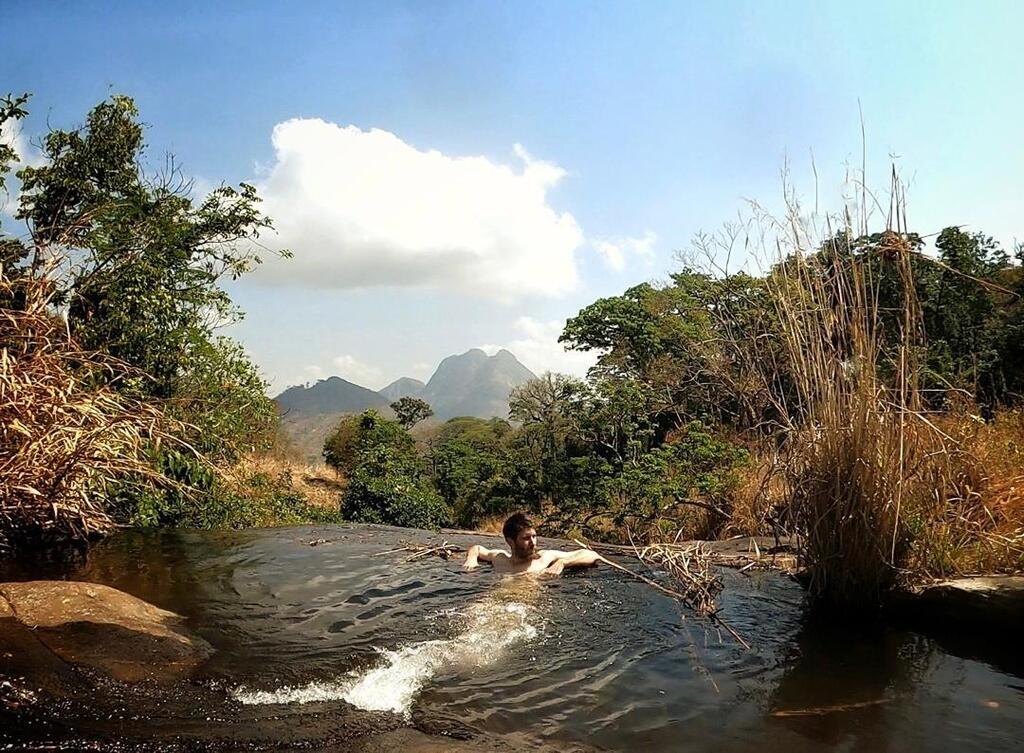
A stunning pool on the way down
(Photo: Courtesy of Adam Jano)
After reaching the bottom, Jano said goodbye to the hunters, who received a generous tip for their help. They returned to their village, while he continued alone toward the strange walled structures that had originally inspired the expedition.
He discovered that they belonged to a Fulani village, a Muslim community of traditionally nomadic cattle herders whose building style differed from that of the nearby communities he had visited.
Not wanting to arrive empty-handed, Jano sent a local man to a nearby village to buy chickens. “That evening the hosts made peanut and chicken soup for all the families,” he said. “We ate together at night, and it was very tasty, or maybe I was just very hungry.”
During the meal, his host, the local Fulani chief, said he owned about 2,000 cattle. “If every cow in Sierra Leone is worth $1,500, then he effectively has assets worth about $3 million,” Jano said, marveling at the contrast. “But he walks barefoot and lives an entirely simple life.”
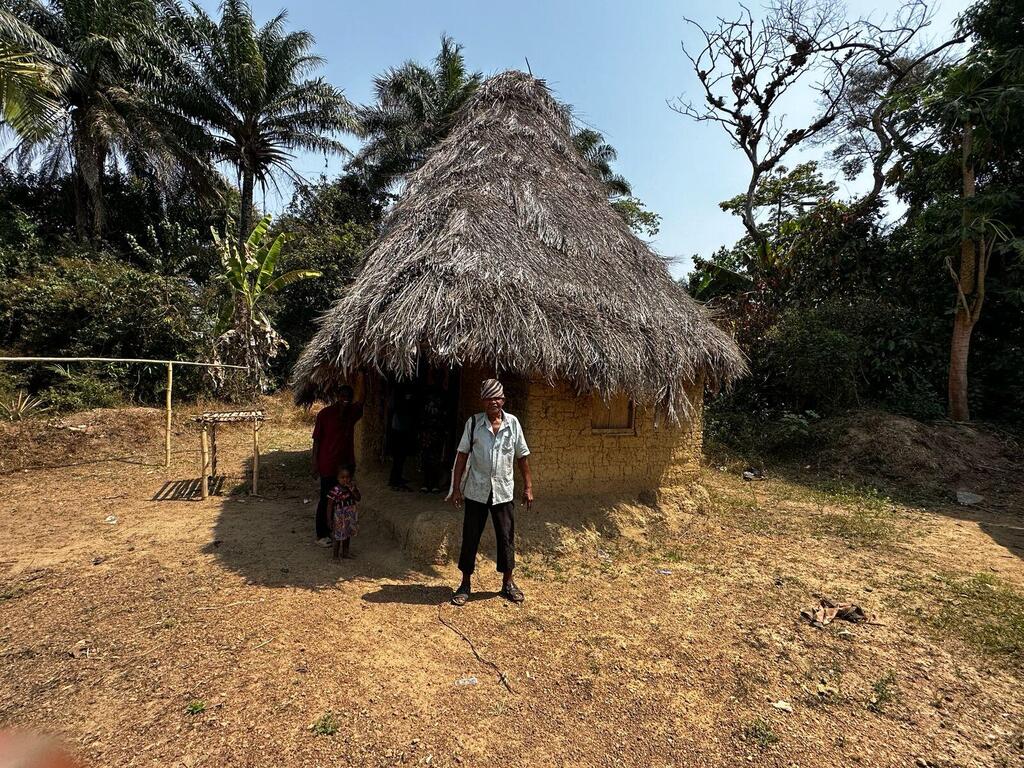
The tribal elder
(Photo: Courtesy of Adam Jano)
The villagers invited him to sleep with them inside a mud hut, but Jano had another plan. “I hung up a hammock with a mosquito net, heated water in a kettle and showered outside,” he said. “For the toilet, you leave the compound and go into the bushes.”
In the morning, his hosts prepared a simple banana porridge. Jano said goodbye, left them some money and continued on his way. Children accompanied him for the first part of the descent before turning back toward the village.
After a difficult walk, he eventually returned to Kanwa, where he had begun the climb several days earlier with the Kuranko hunters. “When I came down into the village, everyone was waiting for me,” he said.
“The hunters who had returned earlier didn’t know whether we had reached the summit or what had happened to us.
“The elder who had told me about the 1969 expedition and warned me about the juju and the mountain’s spells was standing there and was happy we had returned. Everyone wanted to hear the story, and of course they were also waiting to be paid.”
Jano stressed that he had not traveled from Israel solely to climb the mountain. “I went to visit a friend, traveled along some rivers and also went to Banana Island,” he said. “The mountain was part of the trip, but it turned into a journey of its own.”
Sierra Leone remains far removed from conventional tourism, Jano said. “You land at the airport and then take a boat to reach the capital,” he said. “I don’t know who came up with that idea, but that’s how it is.”
Despite Sierra Leone’s violent history and the intimidating image that still accompanies the country, Jano described a place very different from what many outsiders imagine.
“It’s a safe place and the people are very nice,” he said. “There has been peace there since the civil war officially ended in 2002. The tourism infrastructure is lacking, but in a way, that’s also what makes the place so beautiful.”
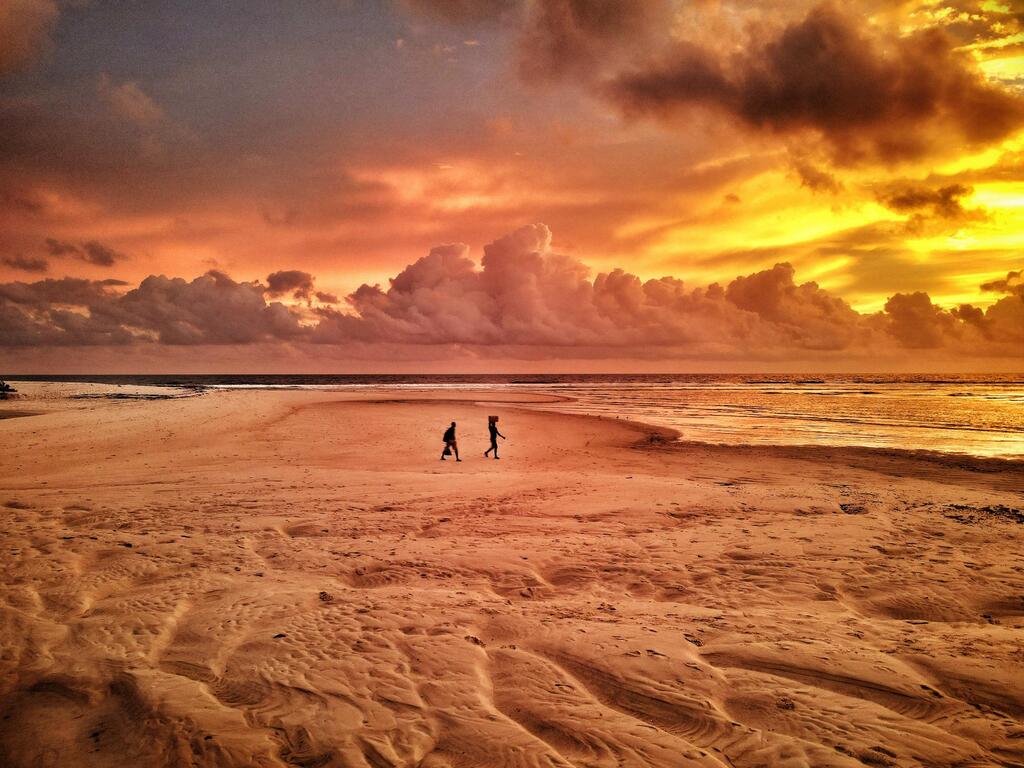
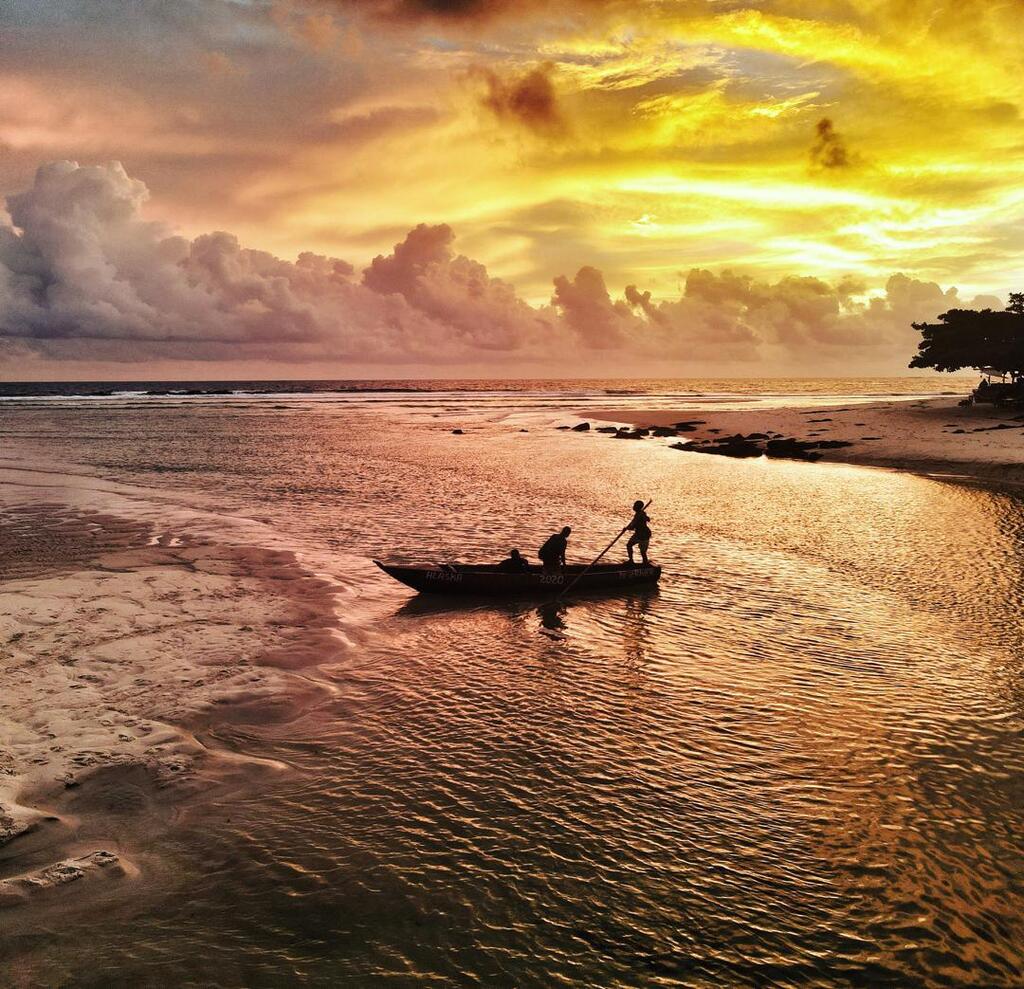
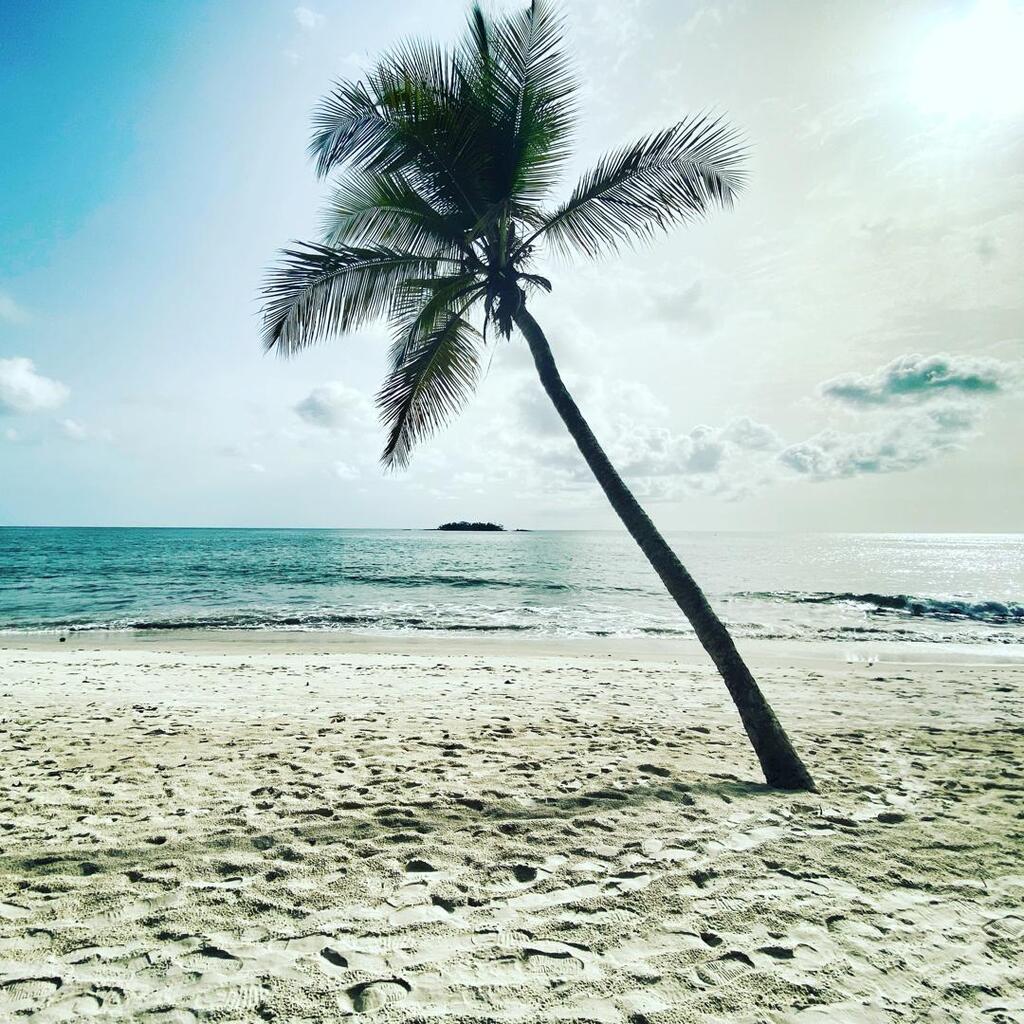
Beach Number 2
(Photo: Courtesy of Adam Jano)
(Photo: Courtesy of Adam Jano)
(Photo: Courtesy of Adam Jano)
He said the country offers impressive beaches and rivers with unusual ecosystems. “It’s beautiful and not touristy,” he said. “On the one hand it’s a shame there isn’t more tourism, but on the other hand there is something magical about the fact that it still hasn’t become a mass destination.”
His favorite beach is Beach Number 2, about 20 minutes from Freetown. “It’s the most beautiful beach in West Africa,” he said. “There is a large river flowing into the sea, creating a kind of sandy lagoon.
“Twice a day, the water rises and falls with the tides. The dunes are covered with water and then exposed again, and pools form between them. Dunes, water, white sand and coconut trees. It’s beautiful.”
Asked whether Sierra Leone works as a family vacation or romantic getaway, Jano did not hesitate. “They’re still not set up for that,” he said.
“I recommend Sierra Leone to people who don’t mind getting their feet a little dirty. It’s suitable for someone willing to take a trip that is really a journey and an experience, and who isn’t bothered by the conditions or unfamiliar experiences.
“It’s not a destination for the average traveler,” he concluded. “It’s a place for adventure seekers who like to go far off the beaten path and are looking for more excitement and challenge.”