

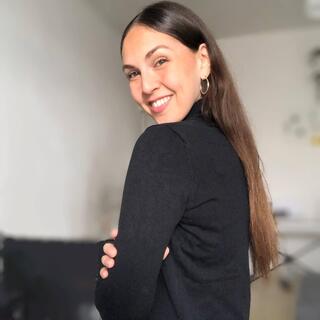
When Mor Lidani looks at teenage girls now undergoing selection ahead of their military service, she feels envious. “When I see them and the options that have opened before them, I think about what I could have become if I were enlisting now rather than when I did,” she said. “It brings up a lot of emotions. I envy every female recruit in the 2026 draft, even if she is not accepted into the unit she tried for. I envy her simply because someone is looking at her. I would have paid just for someone to look at 19-year-old Mor and tell her, ‘Listen, you did not pass, you are not even close.’ Just look at her. It is crazy.”
To understand that envy, one has to go back more than six years. Lidani and Gali Nishri, both combat commanders, the first in the Artillery Corps and the second in the Caracal Battalion, have spent those years leading a legal campaign to integrate women into the IDF’s elite combat units.
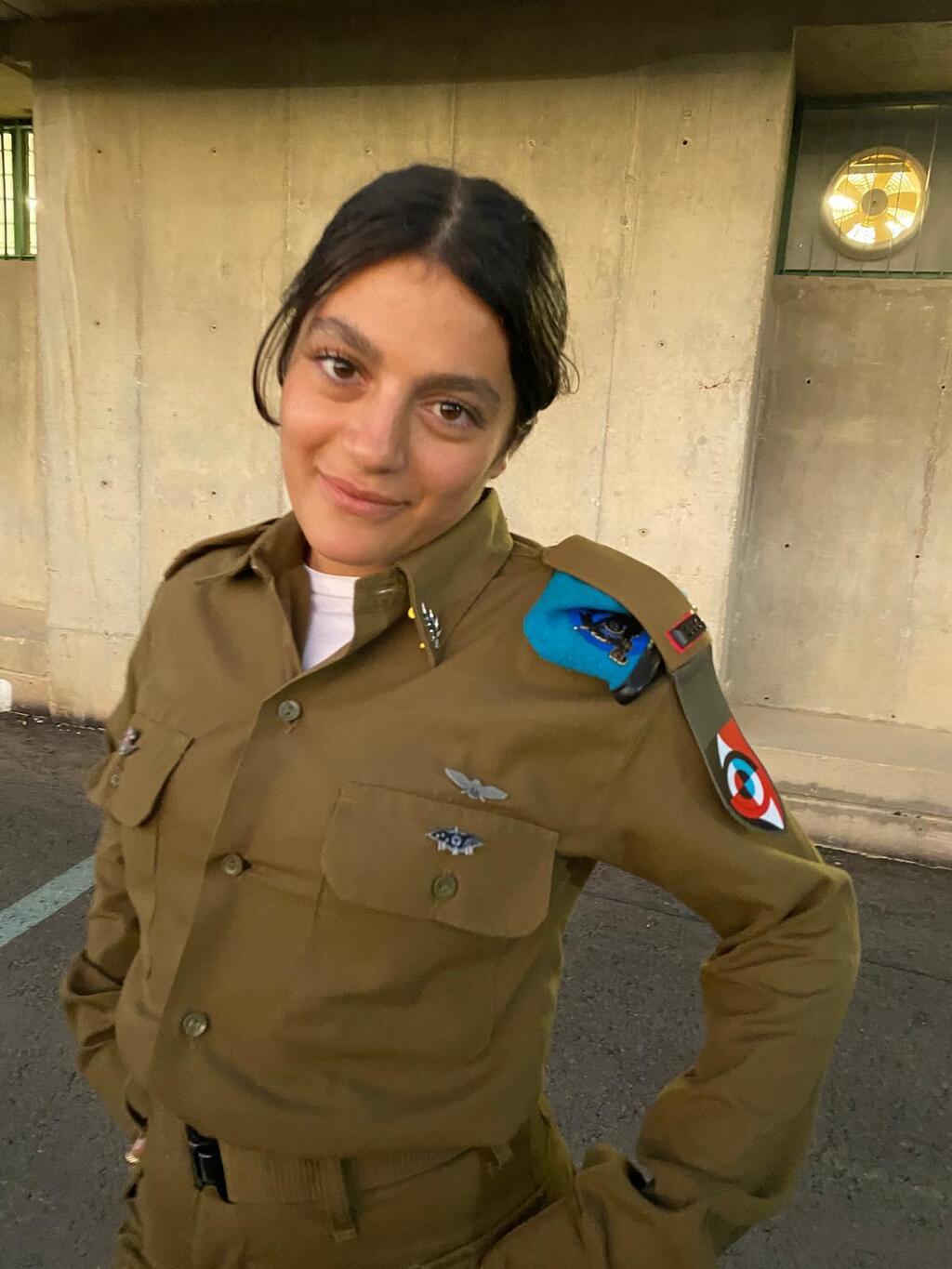
Through a series of petitions to the High Court of Justice, filed by active-duty, career and reserve female soldiers and represented by attorney Yanor Bartental, they pushed the military to open selection tracks for Sayeret Matkal, the Air Force’s elite Unit 669 and the Yahalom combat engineering unit. The next expected step is the IDF’s maneuvering armored corps, although some battles are likely to continue for years. Other women are now reaping the benefits, while Lidani and Nishri, who fought enemies in the field and the IDF in court for an equal opportunity to serve, will never stand at the starting line themselves.
Their campaign began before either enlisted. “Shayetet 13 was my dream,” Nishri said. “I did not know it was closed to women. I assumed no woman had ever managed to get in, and that was why there were no women there.” At school, she had studied the landmark Alice Miller High Court case, which opened the Israeli Air Force’s pilot course to women. “Suddenly, you understand a little more about the military and what a woman needs to do to reach elite units. I took it all the way.” Lidani began fighting for the right to serve nearly seven years ago. “When I look back, I think I was simply naïve,” she said. “I petitioned the IDF before I was even in the IDF. I had no idea what it was like inside, but that was also what gave me the confidence to act. I did not understand how deeply rooted the gap was.”
Nishri believed victory would come quickly. “We thought it would be like the Alice Miller case, that one day a judge would simply rule, ‘This entire role has to be opened,’ and that would be it,” she said. “I never thought the fight would continue for so many years.” Her family initially reacted with skepticism. Her father, like several relatives who had served in Shayetet 13, partly wanted her to join the unit but did not support overturning the system. “He said, ‘Maybe one woman will succeed once every few years. That is not a reason to turn the world upside down.’ Over time, everything changed. Suddenly, they became my greatest supporters.”
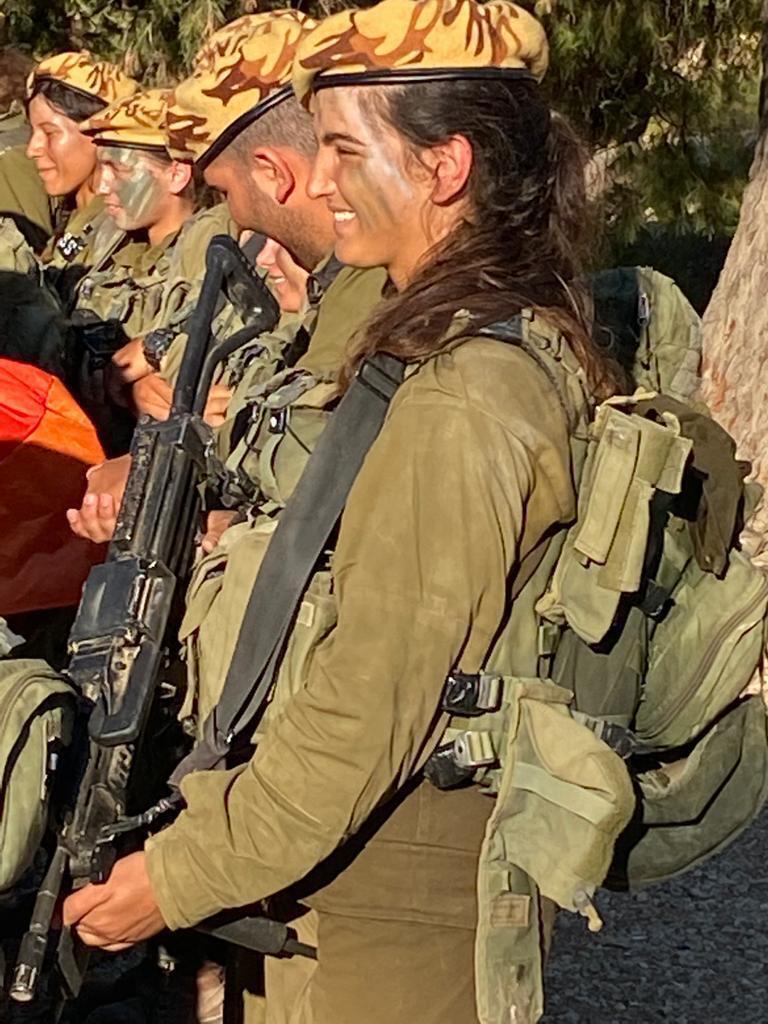
Gali Nishri
For Lidani, whose sister also served as a combat soldier, choosing combat service was obvious. She hopes the day will come when it is not merely an option, but an obligation for every physically qualified young woman. “The dream is that this will stop being something we have to fight for,” she said. “Enough fighting for the right to contribute. It should be clear that a woman is not volunteering for combat service. She is joining the people’s army. If she has a profile of 97, combat service should be equal for women and men.” At the same time, she stressed that their petition did not demand that every role be opened without distinction. “Open everything unless the nature and essence of the role make it unsuitable. If the role itself is not appropriate, do not place women there. The mission comes first. But everywhere else, recruit women, and not from a starting point in which every woman has to prove she deserves to be there.”
‘We do not want pilots’
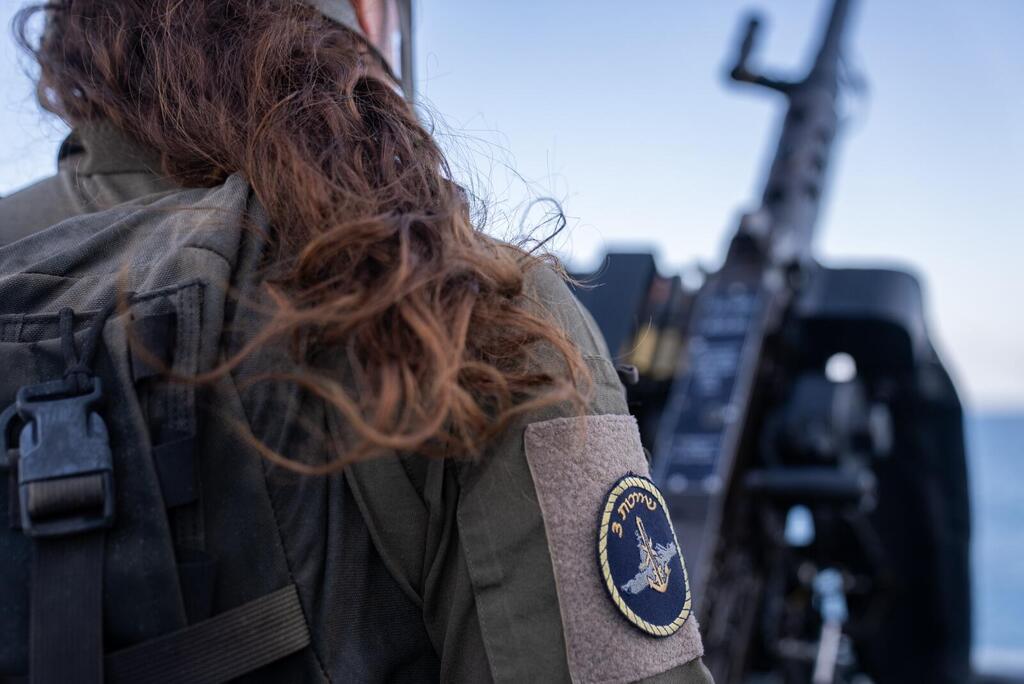
One turning point remains particularly vivid: the decision to open Unit 669 to female combat soldiers. “For the first time, they showed me that women did not have to be brought into a unit only as an entire team,” Nishri said. “They evaluated an individual woman. Even if she was the only one, she could enter that track, complete the same course as the men and undergo the same selection process. If she did not succeed, then there would be no women there. That represented a conceptual shift. They listened to what the petition was asking for.” Nishri said they did not want pilot programs or separate selection systems for groups of women. “We want one woman, even if she is the only one, to be allowed in and complete the same process. It was an enormous change. I remember that day as the most emotional day of the entire campaign.” Lidani added that it was the first time the military had created a clear admissions route with defined stages. “If you passed them, you got in. Suddenly, the idea had real validity.”
(Photo: IDF)
Then came October 7. The long war that followed the Hamas massacre demonstrated the role female combat soldiers could play on the front lines, but the number of active fronts and the strain on the IDF also made it harder to devote resources to formal integration. “Operationally, there has been a real increase,” Lidani said. “Suddenly, female fighters are present in every sector. Suddenly, it is obvious that women enter Lebanon after women entered Gaza. There are differences, and nobody is ignoring the fact that I am a woman and he is a man. But the ability to formalize integration has been delayed because the military does not have the attention it needs to do it properly.”
‘There is power in being a woman’
One of the most sensitive issues is service alongside religious male soldiers. Nishri has encountered it personally. “There were difficulties with religious soldiers,” she said. “Sometimes I had to place myself in a separate room, or we would switch teams to avoid creating that friction. I do not want to interfere with him, and he does not want to interfere with me. We both understand the importance of the other person being in the field.” But that reciprocity sometimes breaks down. One example was a letter from the head of the pre-military academy in the West Bank settlement of Eli, who urged students not to enlist in Sayeret Matkal after its first female fighter completed the course, arguing that the unit had become mixed-gender and that Jewish law therefore prohibited serving in it.
“Sayeret Matkal is the most sensitive point for me personally,” Nishri said. “The unit’s commanders supported us throughout the campaign. More than six former commanders added their names to the petition and spoke publicly about how much they needed women.” She cited Operation Spring of Youth, in which Ehud Barak disguised himself as a woman. “Do we really want to endanger our fighters just so there will not be an actual woman in the field? Why use a disguise? If that rabbi cannot see how integrating women into the military fits with his religion, that is his issue. I do not think women should be excluded because of it.”
For Lidani, being a woman can sometimes be an operational advantage. “There are places where being a woman is the X factor for the mission,” she said, pointing to female fighters in Border Police undercover units and other forces whose members operate in disguise. “If women serve in those units, why are there no women in Duvdevan? The capabilities required are fairly similar, and so is the operational purpose. There is power in being a woman, particularly in an operational arena.”
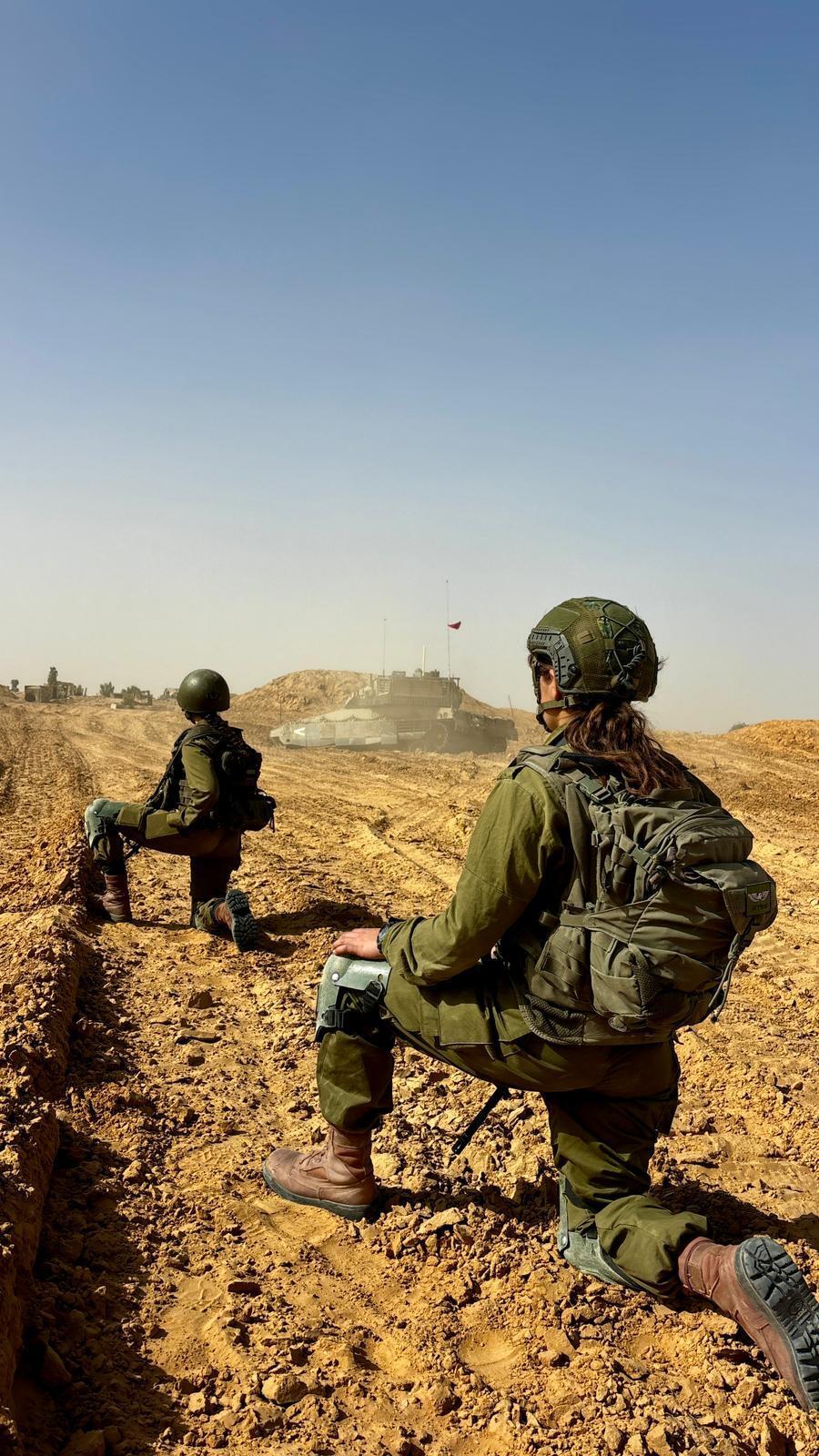
(Photo: IDF)
The conflict over mixed service has already affected operations. A previous ynet report revealed that an operation involving a female Yahalom team was canceled after its members were stationed alongside soldiers from the IDF’s Haredi Hasmonean Brigade. In another case, a company commander prevented female fighters from entering an operational position in Gaza. “I know many cases in which a company commander controls a position in Gaza and says, ‘I have nowhere to put your female soldiers,’” Lidani said. “But you arrive with an operational mission your commander ordered you to carry out. You tell him, ‘This is my mission. Either you adjust, or you tell your commander that we are not carrying it out.’ In the end, it works out. The mission happens, and the women sleep at the position despite everything.”
Lidani draws a distinction between routine service and operational necessity. In routine conditions, she said, there is no reason religious soldiers should have to share living quarters with female fighters, and the military should accommodate their beliefs where possible. “But when we are in an operational arena and that is what the mission requires, it is a different game. These are matters of life and death.” She said she respects Torah students and believes their study contributes to the Jewish people, but insisted that military service must remain open to everyone. “In recent years, the debate has become: Who is being accommodated at whose expense? I refuse to accept that. I refuse to accept that for a religious hesder soldier to serve, he has to trample 51% of the population. We are being persuaded that one must come at the expense of the other. It does not.”
After years of hearings and state responses, Lidani and Nishri speak with pride about the change they helped create, but also with a trace of pain. “It is wonderful that it is happening,” Lidani said, knowing the door opened too late for both of them. The true achievement, she said, belongs to girls who have not yet enlisted but already know they can seek selection for elite combat roles. “Today, it is no longer bizarre for a girl to say, ‘Yes, I want to serve in Yahalom. Yes, I want to serve in the infantry.’ She is no longer treated as someone living in a fantasy. Her ambition is regarded as normal. That is what we wanted most: for the understanding that women can serve in every unit to take root among the public, so young women know which options are open to them and do not hesitate to aim for units women could only dream about until recently.”