

Some 15 years, we – a group of Jerusalemite activists – started heeding this warning, regardless of if those on the receiving end were willing to listen or not: "What happens in Jerusalem, happens all over Israel. You can try to ignore this reality, but the city's challenges will keep haunting us regardless."
We called on both citizens and officials to focus more on social and economic issues in the holy city, build a metropolitan that will be home to both Jews and Arabs and treat it as a test case for Israeli society as a whole.
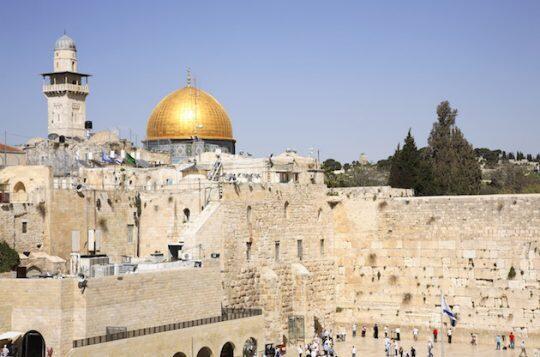
Jerusalem 15 years ago was not only battered and bruised from the Second Intifada, but also suffering from toxic leadership, spearheaded by an indicted mayor and a city council dominated by Haredi representatives without any secular members.
This leadership class only cared about their fortune and profit of their constituents, with the idea of "the greater good" being completely foreign and heretical.
The result of all these variables led to a negative net migration rate from the city and an economic collapse.
It did not take a genius to see how bad Jerusalem's state was. Despite the data, everyone still thought were fighting a hopeless battle.
So we started small, building a coalition of parties across the political spectrum, all together willing to make a real change in the city and whom saw its multiculturalism not as an obstacle – but as something to gain from.
Though we did achieve a lot, there were still objectives out of our reach. There are things you just cannot do without governmental support.
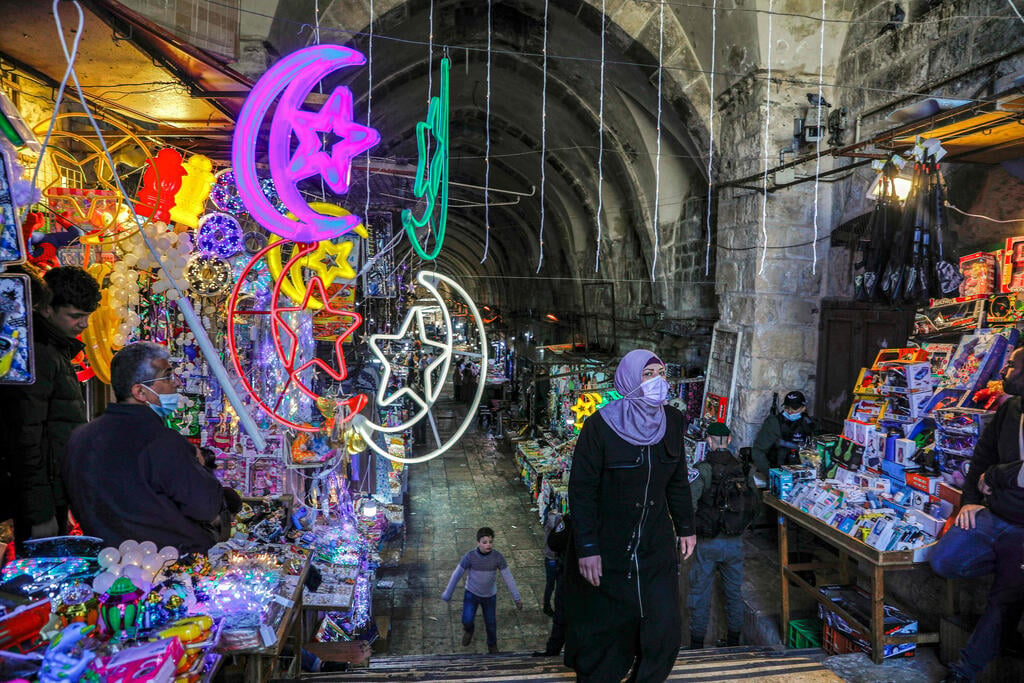
Ramadan decorations in Jerusalem's Old City, April 2021
(Photo: AFP)
Israel's governments have continued to look at Jerusalem from a political-security perspective. Every year, the country's prime ministers swore to safeguard the city, with all the clichés involved, or talked about Israel's sovereignty or international recognition.
While all these matters are important – without affordable housing, job opportunities, governmental assistance and presence, dedicated policies for the city's eastern neighborhoods and measures to boost prosperity and livability, we might theocratically "control" Jerusalem, but most of Israel's population - including its Jewish citizens - will find it hard to obtain any connection to the capital.
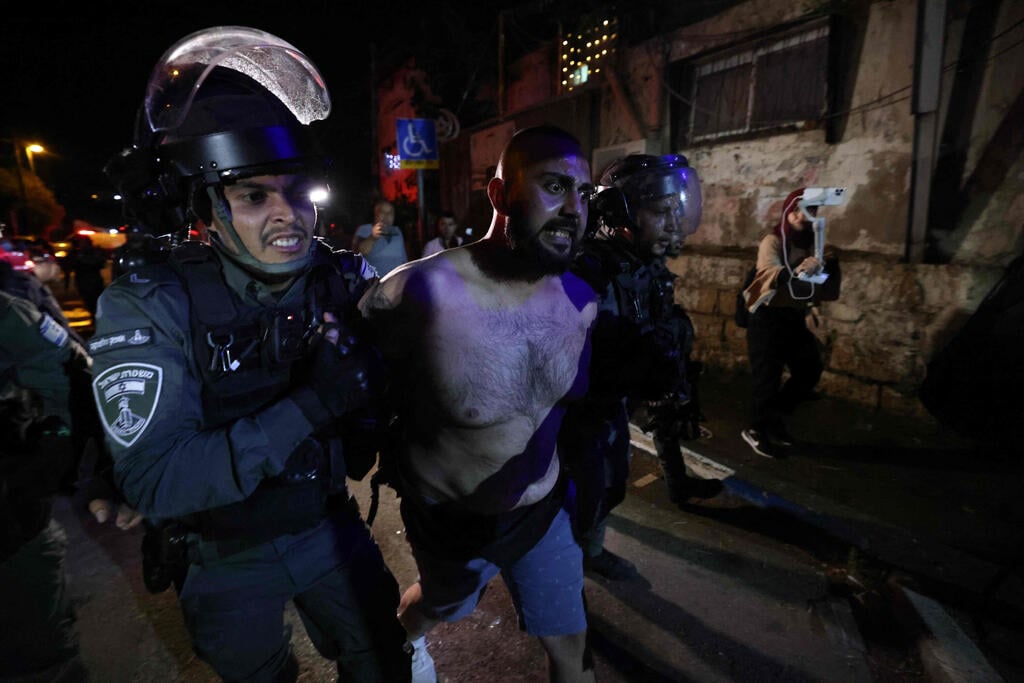
A Palestinian protester is arrested from in front of an Israeli settler's house during a demonstration in the Sheikh Jarrah neighborhood of East Jerusalem
(Photo: AFP)
Sure, Jerusalem is a complicated city, but so is the rest of the country. Israel is home to a wide range of groups, each one with its own stories of the past and ambitions for the future.
Among these groups are those radicals who dream that one day this city and this land will one day be theirs alone.
Nevertheless, over the past years across Israel and Jerusalem rose a large crowd of people from all corners of society who are united by their love for the city more than they do for hating one another.
They have come to the realization that they can learn and profit from one another and have given up this ambition of expelling their neighbors, opting to live together despite their differences.
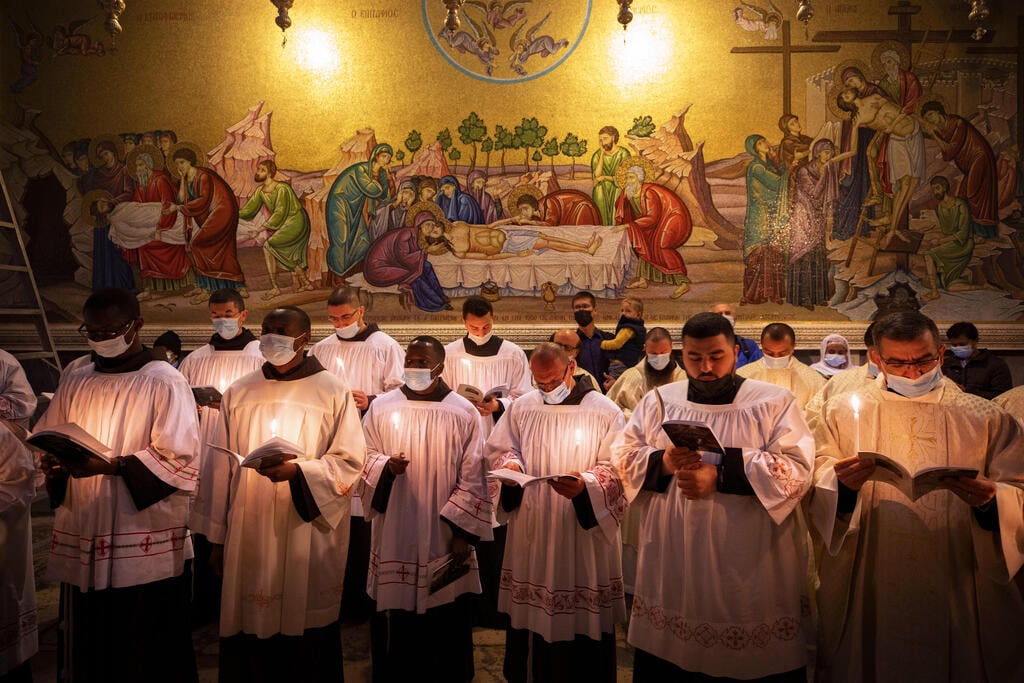
Priests wearing face masks pray during Easter Sunday Mass at the Church of the Holy Sepulcher in the Old City of Jerusalem, April 2021
(Photo: AP)
These people deserve the full backing of Israel's government. Our leaders must utilize this grassroots unity to make real change not only in Jerusalem in housing, employment and education.
Jerusalem must serve as a precedent for the rest of the country. Change Jerusalem and Israel will follow suit.
Tehila Friedman is a former MK for Blue & White