

As Israel enters an election year, lawmakers are ramping up campaign activity through a flood of proposed legislation — much of it seen as populist, controversial, and only loosely connected to the public interest. The latest proposals, critics say, are more about political maneuvering than governance.
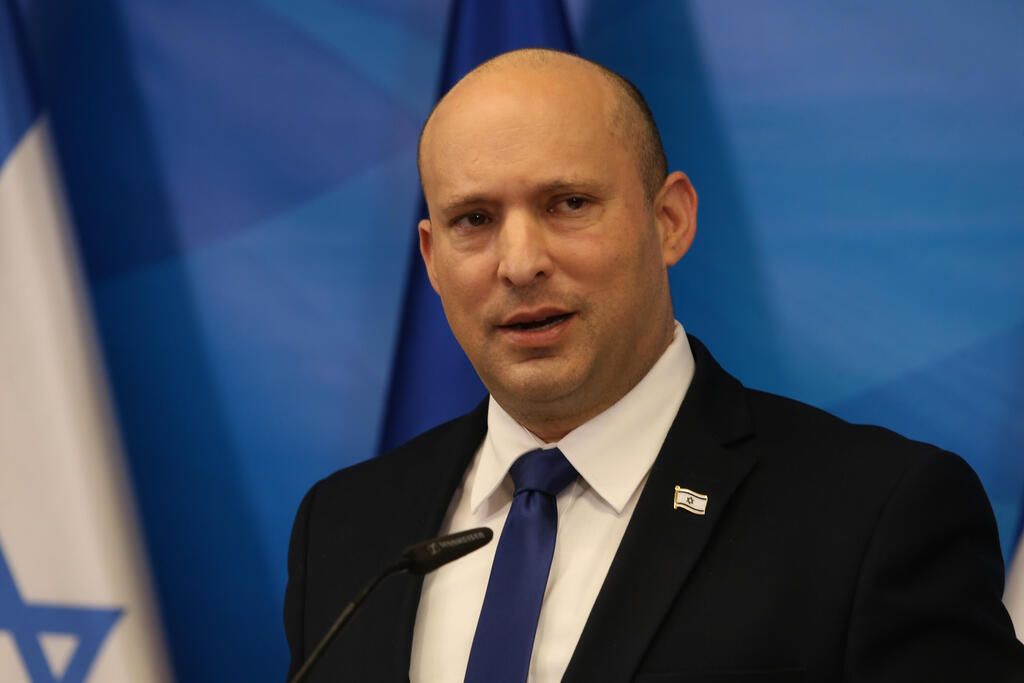
On Sunday, two contentious bills aimed at reshaping Israel’s democratic rules were brought before the Ministerial Committee for Legislation. The first, introduced by Likud lawmaker Avihai Boaron, seeks to block Naftali Bennett, a former prime minister and political rival of Benjamin Netanyahu, from running in the next election. Dubbed the “Bennett Block Law,” the measure would bar any candidate who left behind unpaid debts from previous political parties from receiving public campaign funding.

The committee approved the proposal, allowing it to advance to the next stage.
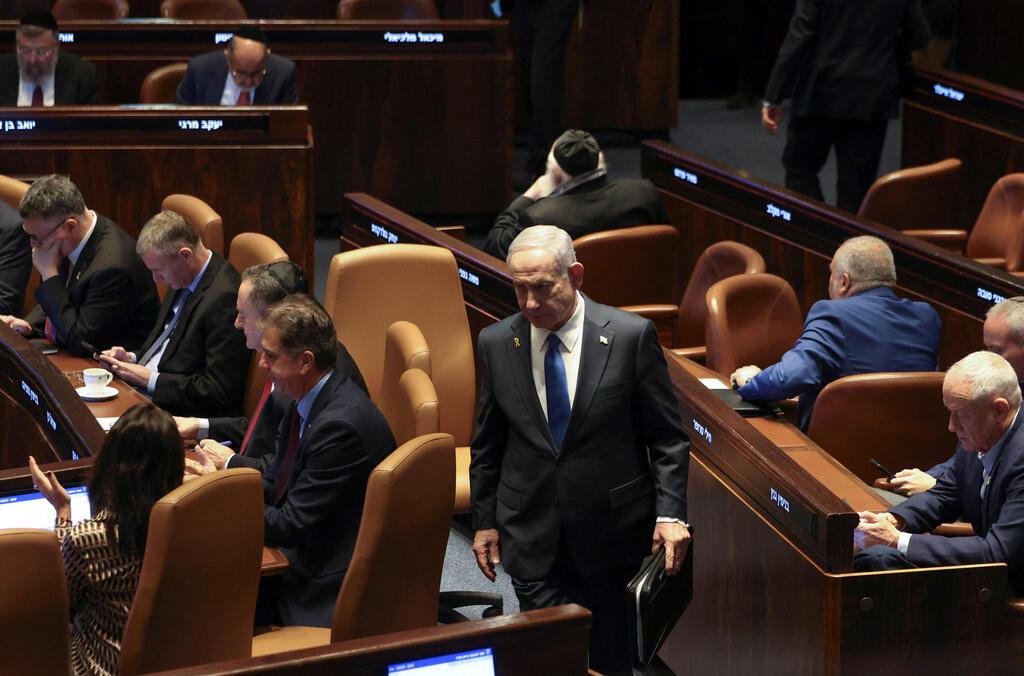
The second bill, proposed by Limor Son Har-Melech of the far-right Otzma Yehudit party, would permit Knesset to delay or cancel the trial of a sitting prime minister under “special circumstances.” The measure quickly became known as the “Bibi Law,” a reference to Netanyahu’s nickname.
But the proposal drew embarrassment for the prime minister himself, who announced that the bill would not apply to him personally. It was later postponed indefinitely — effectively shelved. The decision followed renewed circulation online of a viral clip of Netanyahu emphatically denying in the past that he would ever seek to cancel or delay his trial, declaring, “What? Absolutely not!”
The move appeared aimed at defusing political backlash. Shortly before the committee meeting, reports surfaced that Otzma Yehudit leader Itamar Ben-Gvir had struck a deal with Justice Minister Yariv Levin to secure the committee’s support for the bill. However, sources close to Levin dismissed the claim as false, calling it a political stunt. The bill was subsequently frozen. Analysts noted that even within the coalition, there appear to be limits to how far members are willing to go in backing legislation seen as extreme or self-serving.
(Photo: Amit Shaabi)
The bill targeting Bennett drew greater attention. While Likud itself carries a debt of roughly 58 million shekels (about $15 million), Boaron’s proposal is widely viewed as a personal and political maneuver against Netanyahu’s most formidable potential challenger. Bennett is expected to face questions about debts left behind by his former political parties, which total about 17 million shekels ($4.4 million). But observers say the timing and tone of the proposal leave little doubt about its political intent.
Boaron defended his bill in a statement Sunday: “Naftali, first pay back your debts to the public. Then you can start a new campaign. There’s no reason in the world why someone who owes 17 million shekels to the public and to suppliers should launch another multimillion-shekel campaign at taxpayers’ expense. Repay your debts — then run. Don’t repay them — don’t start. In business that would never happen; there’s no reason politics should be any different.”
Bennett fired back, accusing the government of engaging in “petty politics” during a critical period for Israel. “Only a failing government obsessed with personal and political survival is afraid to face me,” he said. “That’s why it’s trying to pass an anti-democratic, personal law meant to block me from running and to keep Israel from healing and moving forward. It won’t work. The law is unconstitutional and will be struck down immediately. We will win, unite the people, and rebuild Israel.”
Attorney General Gali Baharav-Miara reportedly opposed both proposals, though her stance only seemed to energize coalition lawmakers, many of whom have built their political standing on confrontation with Israel’s judicial system. Lawmakers promoting such measures are aware that their chances of passage are slim — but they generate valuable attention and support ahead of party primaries. That trend is expected to intensify as the election approaches.
(Photo: REUTERS/Ronen Zvulun)
At the heart of the current wave of legislation, analysts say, lies a pattern of populist proposals designed primarily to attract headlines. The same dynamic was on display last week, when Knesset advanced so-called “sovereignty bills” in a preliminary reading — even though most lawmakers acknowledge that actual Israeli sovereignty over the West Bank remains a distant prospect, if it ever comes at all.
Despite the legislative flurry, the coalition’s success rate in passing substantive laws has been minimal in recent months, even before the long summer recess.
“The laws promoted by coalition members have no real meaning,” said Meirav Ben-Ari, a lawmaker from the opposition Yesh Atid party who chairs her faction and coordinates opposition activity in Knesset. “They don’t help any citizen or address public needs. Every week, coalition MKs float another absurd bill just to make headlines, while everything remains stuck until the draft law passes — and that’s nowhere in sight. I suggest the public take all this ridiculous legislation with a grain of salt.”