

We spend much of our lives trying to build stability. We look for jobs that feel secure, homes that feel permanent, routines that make life predictable. But if the last few years have taught us anything, it is that certainty is an illusion. Life can shift in a moment.
Sukkot, the festival that follows the intense spiritual journey of the High Holidays, invites us to step directly into that truth. For one week, we leave our solid homes and move into temporary huts covered with branches and open to the sky. We trade comfort for exposure, permanence for fragility. And in doing so, we discover something profound.
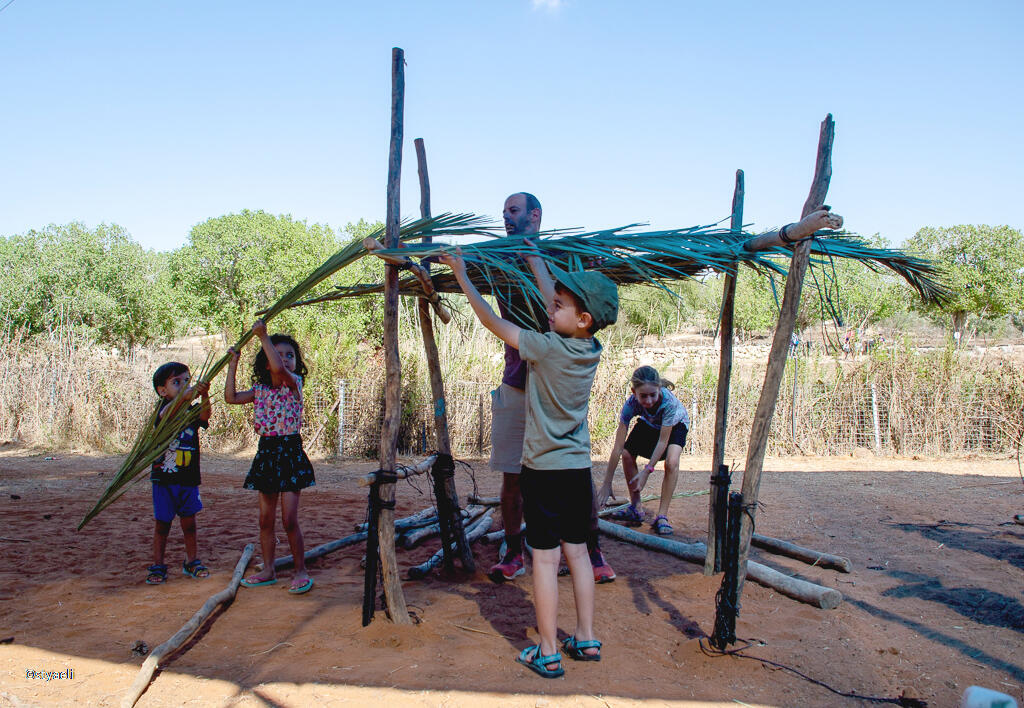
The sukkah reminds us that real security does not come from walls or roofs. It comes from faith, connection, and gratitude. When we sit in a space that could be blown by the wind or soaked by the rain, we learn that peace is not found in what we own, but in how we see the world.
Sukkot is often called Zman Simchateinu, “the time of our joy.” At first glance, that seems strange. Why is the happiest holiday the one where we leave behind our comfort and live in temporary shelters? Because joy is not about control. It is about trust. When we stop trying to hold on to everything, we can finally experience what we already have.
Here are a few lessons we can take from the sukkah into our daily lives:
1. Embrace Change Instead of Resisting It
Change is not the enemy. It is the heartbeat of growth. The sukkah teaches us to live with open walls and open hearts. When life shifts unexpectedly, ask what it might be making room for instead of what it took away.
2. Find Gratitude in the Present
The sukkah is simple; a table, some chairs, a roof made of leaves. Yet in its simplicity, we rediscover gratitude. Try spending a few minutes each day naming three things you are thankful for right now. Gratitude turns impermanence into peace.
3. Build Inner Stability
When the world feels uncertain, strengthen what no storm can touch: your values, your purpose, your relationships. The more anchored you are inside, the less you depend on what is outside.
The sukkah’s walls are temporary, but its message is lasting. Life is fragile, and that is not something to fear. It is something to celebrate. When we accept impermanence, we stop wasting energy fighting it. We become more present, more grateful, and more alive.
Sukkot teaches us to find joy in what is passing, not just in what endures. To see holiness not in perfection, but in presence.
Because in the end, everything changes, and that is where the real beauty lies.
And as always, the only way is up.
Nachman (Nathan) Hoffman is a leadership coach, entrepreneur and former CEO. With over 20 years of experience in business and personal development, he helps individuals and organizations align vision, growth and values.