


Israel’s security leadership convened Monday evening under Prime Minister Benjamin Netanyahu to assess progress in the war against Iran, known in Israel as Operation Roaring Lion.
According to officials familiar with the discussions, the picture presented was positive. “Even very good,” said a senior security official involved in the fighting. “We have achieved far more than we expected to by the tenth day of the war.”
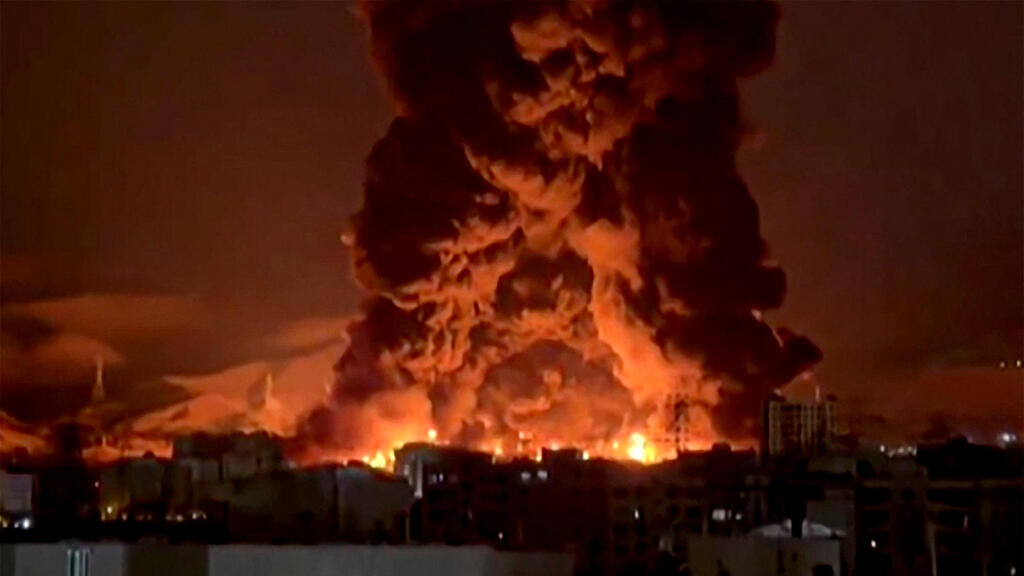
The assessment was based on a detailed list of targets the Israel Defense Forces had planned to strike according to priorities and timelines prepared weeks in advance.
Iran’s air defenses and missile forces hit hard
During the first five to six days of the campaign, Israeli forces achieved significant suppression of Iran’s air defense detection systems. The strikes created broad aerial freedom of action over western, northern and central Iran.
Equally important, officials said, was the rapid damage inflicted on Iran’s long-range ballistic missile array, which poses the main threat to Israel’s civilian population.
Hundreds of launchers were destroyed in the early days of the war, while others were disabled. Hundreds of missiles were also eliminated.
Israeli Air Force eliminates several operatives in Iran’s ballistic missile and drone units
(Video: IDF)


As a result, Iranian forces can no longer carry out their original plan of launching barrages of dozens of missiles per day toward Israel. Instead, they have been firing only isolated missiles at a time, a pattern Israeli officials believe will continue to decline.
The next stage of the campaign, officials say, focuses on destroying Iran’s military-industrial infrastructure.
These facilities develop and manufacture ballistic missiles, missile fuel, launch systems, navigation equipment and attack drones, including loitering munitions. They also support elements linked to Iran’s nuclear program.
Because Iran is geographically vast and maintains a large defense industry, Israeli officials acknowledge the task cannot be completed by Israel alone.
US expands strikes across Iran
For that reason, the United States is now intensifying its involvement in the effort.
American forces are expanding strikes against Iran’s defense industry targets across the Islamic Republic, not only in the south but throughout the country. Officials describe this as the main effort at the current stage of the war.
“They are hitting with full force,” one security official said.
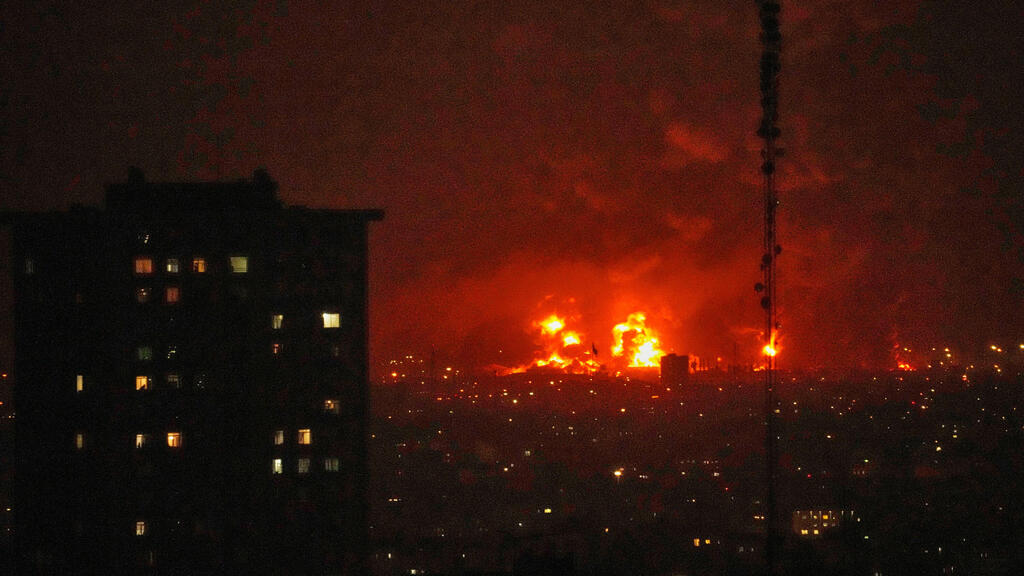
Tehran
(Photo: AP/ Vahid Salemi)
Command and regime targets also under attack
A secondary effort is focused on regime infrastructure and command-and-control systems.
Targets include headquarters of the Islamic Revolutionary Guard Corps, Basij militia installations and internal security agencies responsible for controlling the population and suppressing protests.
Command centers used to operate Iranian military forces are also being struck.
Israeli intelligence and the air force are also attempting to eliminate commanders within Iran’s regional military commands, particularly those linked to missile forces, in order to further disrupt operational capabilities.
According to Israeli assessments, Iran’s command structure is already showing signs of strain.
Officials report declining functionality, limited coordination and growing chaos within some units. In several cases, there have also been reports of desertions among members of the Revolutionary Guards and the regular army.
Tehran, officials say, is increasingly struggling to control its regional commands, particularly those responsible for missile operations.
Iran under mounting internal pressure
Western intelligence agencies believe the crisis now facing Iran could deepen after the war.
Iran’s economic difficulties, already severe before the conflict, have worsened considerably. Intelligence officials believe the regime may face growing unrest once the fighting subsides.
While the selection of Mojtaba Khamenei as Iran’s new supreme leader is not expected to stabilize the regime, analysts say it is still too early to determine its long-term impact.
For now, Iran’s strategy appears focused on survival.
Tehran is attempting to pressure the United States by threatening global energy markets, including potential moves to disrupt shipping through the Strait of Hormuz and by targeting oil-producing Gulf states aligned with Washington.
Hezbollah front and regional dynamics
In Lebanon, Israeli officials assess that Hezbollah is trying to preserve its strength inside the country and avoid triggering a broader civil conflict.
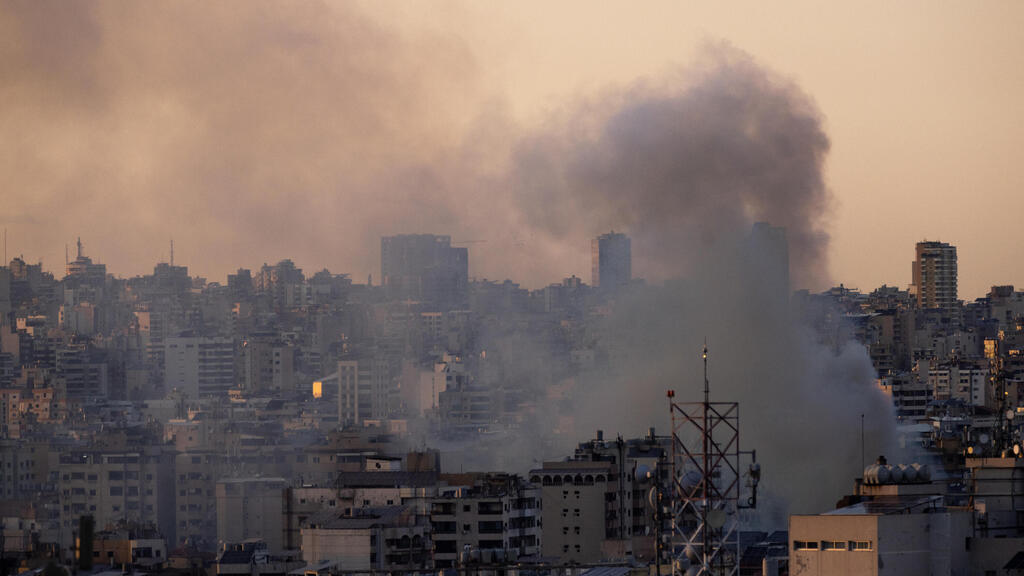
Lebanon
(Photo: Daniel Carde/Getty Images)
So far, about 350 Hezbollah fighters have been killed, according to Israeli estimates. The IDF is continuing to destroy infrastructure belonging to the group, particularly in Beirut’s Dahieh district.
Dozens of buildings in the area have already been destroyed, many of them believed to contain weapons depots or workshops producing advanced weapons.
Israeli intelligence has also established a special center to locate new targets in Lebanon. Using this intelligence, Israeli air and artillery forces have been striking launch infrastructure that Hezbollah relocated north of the Litani River.
Ground forces deployed in a forward defensive posture in southern Lebanon have also been destroying weapons stockpiles left in villages.
Israeli officials believe the Lebanese government is unlikely to disarm Hezbollah, meaning Israel may eventually have to carry out that effort itself.
Meanwhile, Israel is also waging what officials describe as an economic war against Hezbollah. Israeli strikes have targeted the group’s financial network, particularly branches of the Al-Qard Al-Hasan banking system used to finance its operations.
For the first time, Hezbollah fighters reportedly did not receive salaries this month.
Nearly one million Lebanese residents, most of them Shiites, have fled from the Dahieh district and villages in southern Lebanon, creating pressure on both the Lebanese government and Hezbollah leadership.
US expected to continue campaign
Despite mixed public signals from President Donald Trump in recent days, Israeli officials believe Washington remains committed to continuing the campaign.

President Donald Trump
(Photo: Roberto Schmidt/Getty Images/AFP)
Officials say coordination between the US and Israeli militaries has reached unprecedented levels.
American forces have been building up significant military strength in the region and in Europe, preparing for intensified operations in the coming days and weeks.
US Defense Secretary Pete Hegseth said American involvement in destroying Iran’s defense-industrial infrastructure and regime targets would soon become far more intense.
Regarding Yemen’s Houthi movement, Israeli officials believe the group is currently waiting on the sidelines, wary of provoking strikes from both Israel and the United States while the outcome of the war with Iran remains uncertain.
Overall, Israeli officials say the strategic picture appears cautiously optimistic.
While regime change in Tehran remains a long-term possibility, they believe it is unlikely to occur immediately. Instead, officials say it may come later, if internal opposition in Iran gains momentum once the war ends.