


Over the three years since the Hamas-led Oct. 7, 2023, attack, Israel’s international standing has eroded. Images of destruction and death in Gaza have gradually displaced images of Israeli hostages and those killed in the attack, while the initial wave of international sympathy has given way to mounting criticism. The diplomatic cost has continued to accumulate.
Against this backdrop, sustained public pressure on governments, particularly in Europe, is increasingly translating into demands for concrete action against Israel. Voices that once stopped at condemnation are now calling for sanctions, restrictions on ties and a reassessment of cooperation with Israel.

Footage of settler violence against Palestinians in the West Bank has provided further momentum to those calling for boycotts of Israel and the severing of ties. Such images are further damaging Israel’s standing and making it increasingly difficult even for its allies to defend it in the public and diplomatic arenas.
The ‘handful’ theory
The government’s failure to protect Palestinians and enforce the law against their attackers — and, more significantly, the perception that Jerusalem is deliberately turning a blind eye — is providing Israel’s opponents with additional diplomatic and public-relations ammunition. At a time when Israel is battling boycotts and growing isolation, its government’s conduct is giving advocates of measures against it additional arguments.

US Ambassador Mike Huckabee visists the Palestinian village of Turmus Ayya
(Photo: John Wessels / AFP)
The issue reached a new level when U.S. Ambassador Mike Huckabee, known as a staunch supporter of Israeli settlements, traveled to the Palestinian village of Turmus Ayya and publicly condemned acts of violence by Jewish extremists in front of television cameras. During the visit, as Huckabee watched in apparent disbelief, a vehicle carrying settlers entered land belonging to a Palestinian family, seemingly underscoring the very problem he had come to address.
Prime Minister Benjamin Netanyahu routinely refers to those responsible as a “handful,” but never has a “handful” inflicted such serious damage on Israel’s national security. Netanyahu appears to be playing down the severity of the problem to cover for his government’s failure to address it. And even if they are only a handful, their actions amount to terrorism. Israel, however, is refusing to call the problem by its name. These are terrorists and they should be treated accordingly.
And where is Shin Bet chief David Zini? Does this not constitute a threat to Israel’s national security? In a properly functioning state, the Shin Bet, Israel’s domestic security agency, should take the lead in confronting such a serious threat. Israel cannot rely on Finance Minister Bezalel Smotrich or National Security Minister Itamar Ben-Gvir to deal with a “handful” emerging from their own political constituency. Yet the government has largely confined itself to condemnations, including from the podium of the United Nations, rather than using the many enforcement tools at its disposal.

Finance Minister Bezalel Smotrich and National Security Minister Itamar Ben-Gvir
(Photo: Gadi Kabalo)
Few abroad appear persuaded by the “handful” argument. Critics ask that if the perpetrators are so few, how Israel’s powerful military can fail to stop them. They also hear expressions of support for settlers from ministers in the government. The result is growing momentum for boycott legislation and increasingly negative attitudes toward Israel, including among constituencies that once supported it. The shift extends beyond the United States, but its implications there are particularly serious.
The Senate vote — and its implications
At a particularly difficult moment for Israel, the U.S. Senate is expected as early as Wednesday or Thursday to vote on S.Res.852, a resolution invoking Section 502B of the Foreign Assistance Act. The measure is led by Democratic Sens. Chris Van Hollen, Tim Kaine and Bernie Sanders, with support from Jeanne Shaheen, the top Democrat on the Senate Foreign Relations Committee, and Patty Murray.
The resolution would require the U.S. State Department to submit a report within 30 days on the deaths of nine U.S. citizens in the West Bank since 2022 involving settlers or Israeli security forces, as well as Israel’s detention of Palestinian children. If the report is not submitted, most U.S. security assistance to Israel would be barred until the requirement is met. Because of the parliamentary mechanism being used, its sponsors can force a vote on the Senate floor.
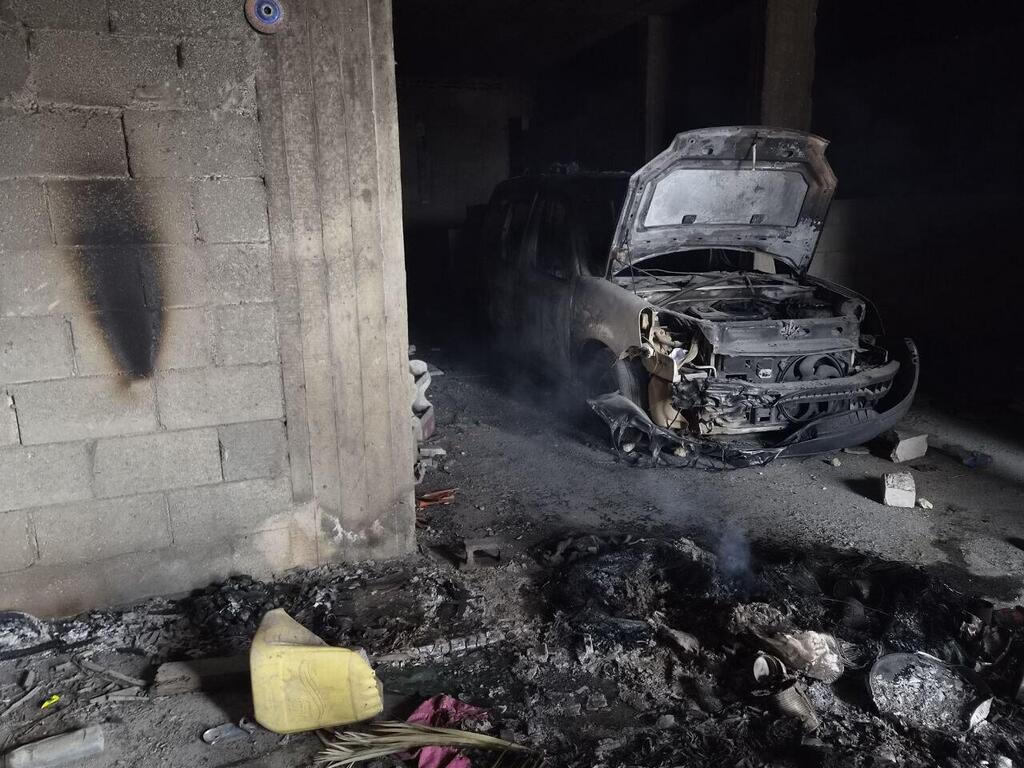
Damage after settlers allegedly set fire to a building in the Palestinian village of Jalud in the West Bank
(Photo: Alex Gamburg)
The measure is considered unlikely to pass. It would need the support of all 47 senators who caucus with the Democrats as well as at least four Republicans, and Senate officials also expect it to fall short. The more significant measure of sentiment toward Israel may be how many Democrats support it. The resolution already has 24 formal co-sponsors, about half the Democratic caucus.
By comparison, a Sanders-led Section 502B resolution concerning Gaza in January 2024 drew only about 10 votes. Recent images from the West Bank village of Jalud could bring additional support. Anger toward Israel and Israeli settlers is substantial. If settlers are concerned about the future of their communities in the West Bank, they must unequivocally condemn the “handful” responsible for such violence.
If the resolution fails, as expected, there would be no immediate effect on U.S. military assistance. But the vote would create an official record and potentially establish a new benchmark for institutionalized Democratic criticism of Israel. It could provide a basis for future measures, including restrictions on the use of U.S. assistance in the West Bank or sanctions targeting settlers, particularly if Democrats make gains in the November midterms. A defeat with significant support could therefore reinforce the trend rather than halt it.
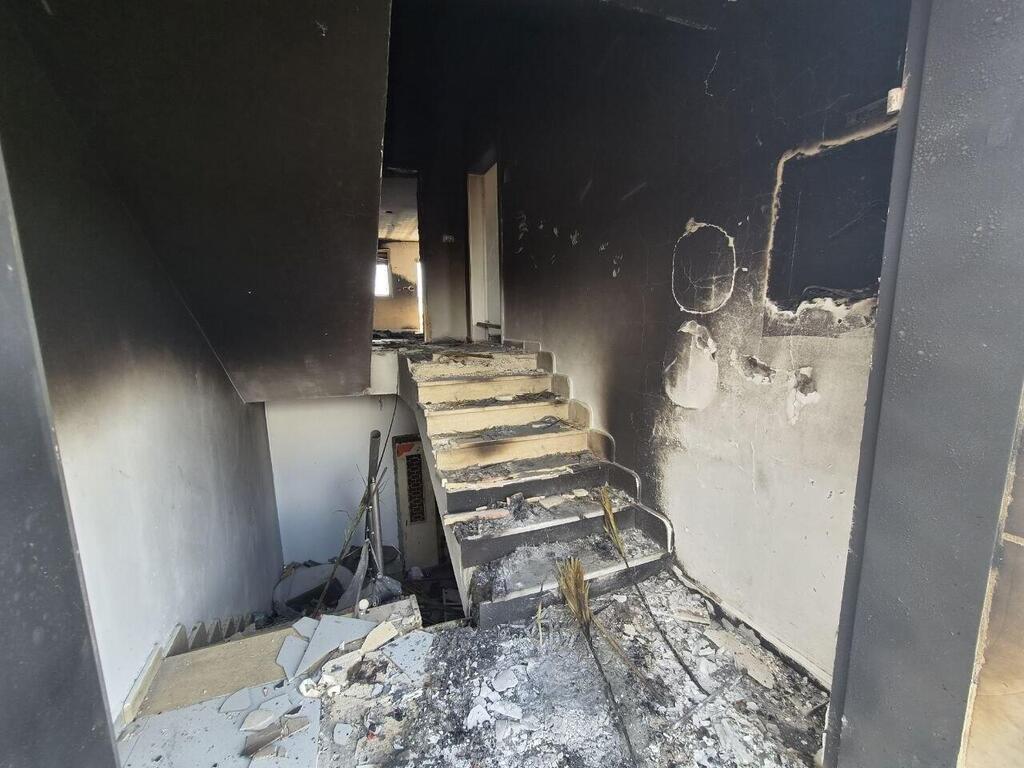
Damage after settlers allegedly set fire to a building in the Palestinian village of Jalud in the West Bank
(Photo: Alex Gamburg)
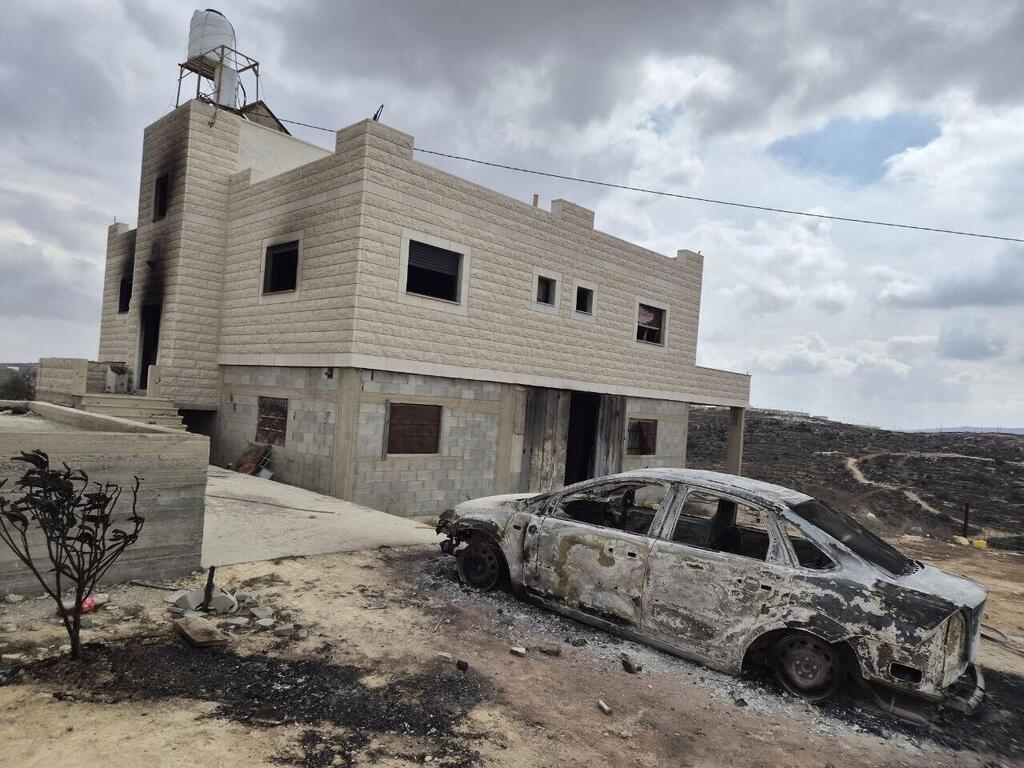
Damage after settlers allegedly set fire to a building in the Palestinian village of Jalud in the West Bank
(Photo: Alex Gamburg)
If the resolution passes — a less likely scenario — the administration would probably submit a limited report to prevent security assistance from being suspended. But the report would become an official State Department document and mark the first use of Section 502B in this manner against Israel. Passage would also require Republican support, indicating that the erosion of support had crossed party lines.
The steep slope
The West Bank is the theater in which support for Israel is eroding most rapidly, but it is also the area where Israel has the greatest ability to change the trajectory. The Senate vote comes as the Israeli government is focused on Iran and elections. Any IDF operation against Iran before an election could be viewed in Washington through a political lens, potentially further straining support.
The current situation is undoubtedly the product of the Netanyahu government’s failed and reckless conduct, another diplomatic failure at a time when Israel’s international position is already deteriorating. A future government could act effectively against settler violence and help halt Israel’s slide in the United States, at least on this issue.
But the trend extends well beyond the United States. Twelve countries, including Canada, Britain and France, have signed on to a ban on imports of products from Israeli settlements in the West Bank, with the Netherlands already implementing such a measure and others working toward implementation. In France, proposed legislation has already been discussed, while other possible measures include freezing assets held in banks, reducing or eliminating tariff benefits and taking steps that could affect Israeli imports more broadly.
The justification cited for such measures consistently includes the deteriorating situation and rising violence in the West Bank, as well as the expansion of Israeli settlements. These are unprecedented steps that receive extensive media coverage, further damaging Israel’s image among the wider public and fueling boycotts and ostracism of institutions and businesses associated with Israel.
In practice, the current government’s willingness to turn a blind eye to violent extremists could ultimately bring about the end of the settlement enterprise it seeks to protect. International pressure will increase, sanctions could expand beyond settlement products and, down this steep slope, Israel could eventually find itself facing the kind of international isolation experienced by South Africa before the end of apartheid.