


Ultimately, Hezbollah has joined the fray. After about a day and a half of hesitation, or perhaps of sitting on the fence, the Shiite organization overnight launched rockets and drones toward Israel. This is a dangerous move for the group, almost semi-suicidal given Israel’s clear military superiority and the heavy pressure from within Lebanon not to do so.
Why, then, did Hezbollah attack nonetheless? Perhaps because, like in the fable of the scorpion and the frog crossing the river, Hezbollah remains the same Iranian Shiite scorpion it has been throughout the decades since its founding. The question that remains is whether Lebanon will be the frog that drowns along with it.
Gallery
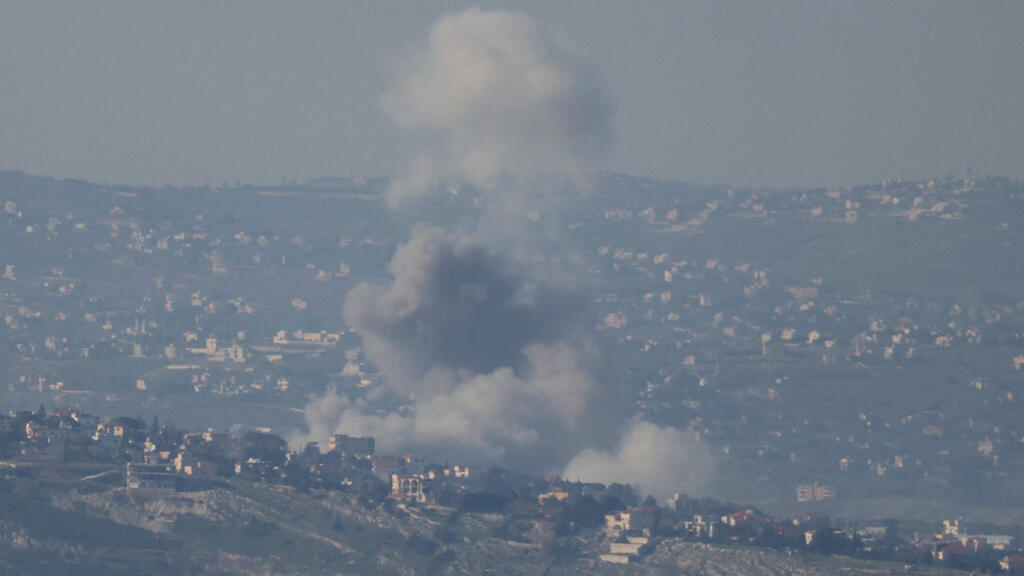
Israel responds to Hezbollah's joining Iran in attacking Israel with strikes on southern Lebanon
(Photo: Rabih Daher / AFP)
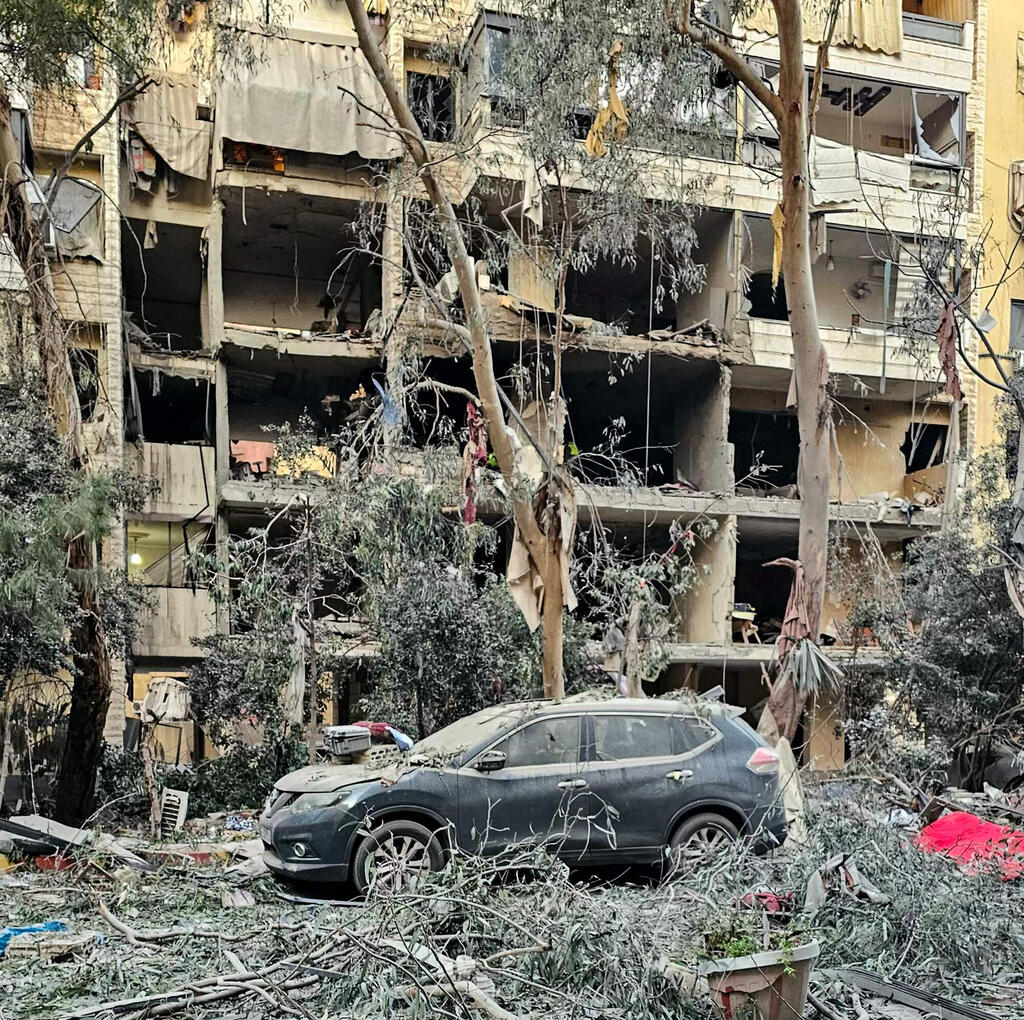
Damage from strikes in Lebanon
(Photo: AFP)
But we must be honest. Hezbollah did not have good options. It could not avoid responding to the attack on Iran and the assassination of its most significant patron, Iran’s Supreme Leader Ayatollah Ali Khamenei, for several reasons. First, Hezbollah was founded and has survived all these years thanks to Iran. Members of the Islamic Revolutionary Guard Corps established the Lebanese organization on the ruins of Amal in 1982, and they have funded and trained it ever since. Economically and militarily, it lives, feeds and breathes through Iran. It effectively has no right to exist apart from Iran.
Beyond that, Hezbollah viewed Khamenei as far more than just a head of state. For the organization, Khamenei was the most significant religious authority — a marja al-taqlid, or source of emulation. In other words, Hezbollah in Lebanon accepted Khamenei as the supreme religious authority it was bound to emulate, even though it was not required to do so after the death of Ayatollah Ruhollah Khomeini. Moreover, when Hezbollah’s own religious leader, Mohammad Hussein Fadlallah, refused to adopt Khamenei as his “source of emulation” after Khomeini’s death in 1989, Hezbollah distanced itself from him and harassed him. This says something about Khamenei’s immense spiritual authority and his daily significance for the organization’s operatives and leadership.
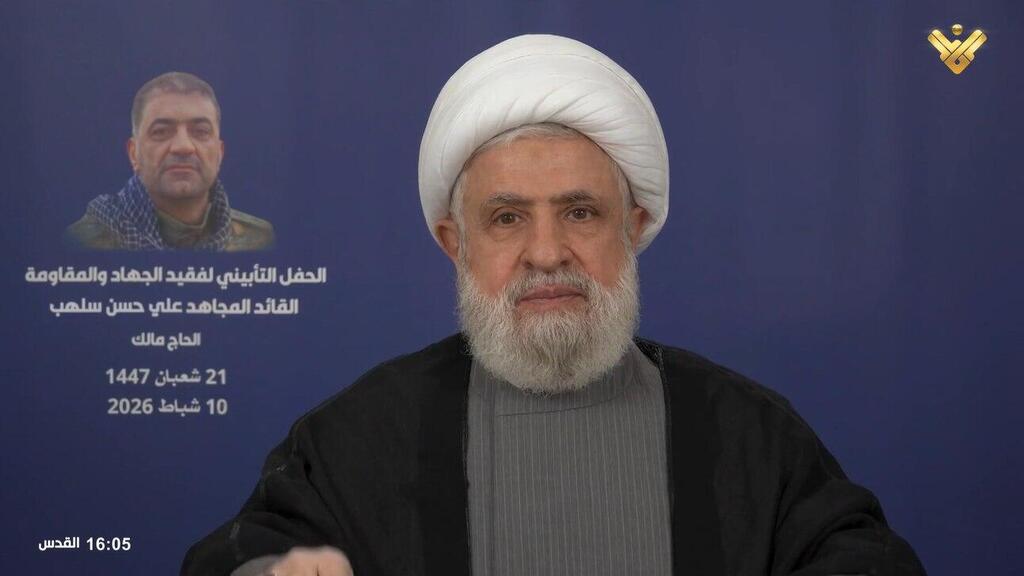
Hezbollah Secretary-General Naim Qassem
Reactions in Lebanon were swift. Prime Minister Nawaf Salam said overnight that the rocket fire from southern Lebanon into Israel was a reckless act that endangers Lebanon’s security, and he announced an emergency cabinet meeting to discuss the developments. Lebanese President Joseph Aoun said Hezbollah’s actions “undermine Lebanese sovereignty and regional stability, and the state will not accept being turned into an arena for proxy wars that do not serve its national interest.”
These may well be statements by politicians with little real influence over Hezbollah, and yet they matter. The flow of refugees from southern Lebanon, from Dahiyeh — the southern suburb of Beirut that serves as a Hezbollah stronghold — and even from the Bekaa Valley, together with explicit statements in Lebanon against Hezbollah, are creating real pressure on the Shiite organization to halt its activity against Israel.
This may explain Hezbollah’s relatively limited action against Israel so far. In other words, the organization has greater military capabilities than it demonstrated overnight — far more rockets and suicide drones, as well as ground forces such as the Radwan unit that have not yet come into play. Hezbollah may not be seeking an all-out campaign against Israel, instead settling for actions that allow it to fulfill its obligation. The regime in Tehran is not going to fall so quickly, as some in Israel may hope, and Hezbollah does not want to embark on a suicidal operation against Israel in which it deploys all the means at its disposal and pays a heavy price, too heavy.
 Avi IssacharoffPhoto: Yuval Chen
 Hezbollah, like the regime in Tehran, must now do everything it can to signal on the one hand that the “axis of resistance” still stands, while on the other ensuring its physical survival. If the survival of the regime in Tehran were to face a real threat, we may see Hezbollah throw everything it has into the fight against Israel.
The major question is how Hezbollah’s entry into the fray will affect Israel’s actions and those of the Israel Defense Forces. It can be assumed that the Israeli Air Force will have to devote its resources not only to Iran, Iraq — including Shiite militias — and perhaps Yemen, but now even more intensively to Lebanon. And of course, assuming Hezbollah does not back down soon, does the State of Israel intend to launch a major ground operation in Lebanon that would come at a heavy cost?