

The New York Times recently declared that Israeli artists and writers are no longer welcome – not at Cannes, not at international literary festivals, not at the table where culture gets decided. The article was well-reported and largely accurate.
It was also asking the wrong question.
The question isn't whether the world will invite us back. The question is what we do with our voices in the meantime – and whether waiting is the right response at all.
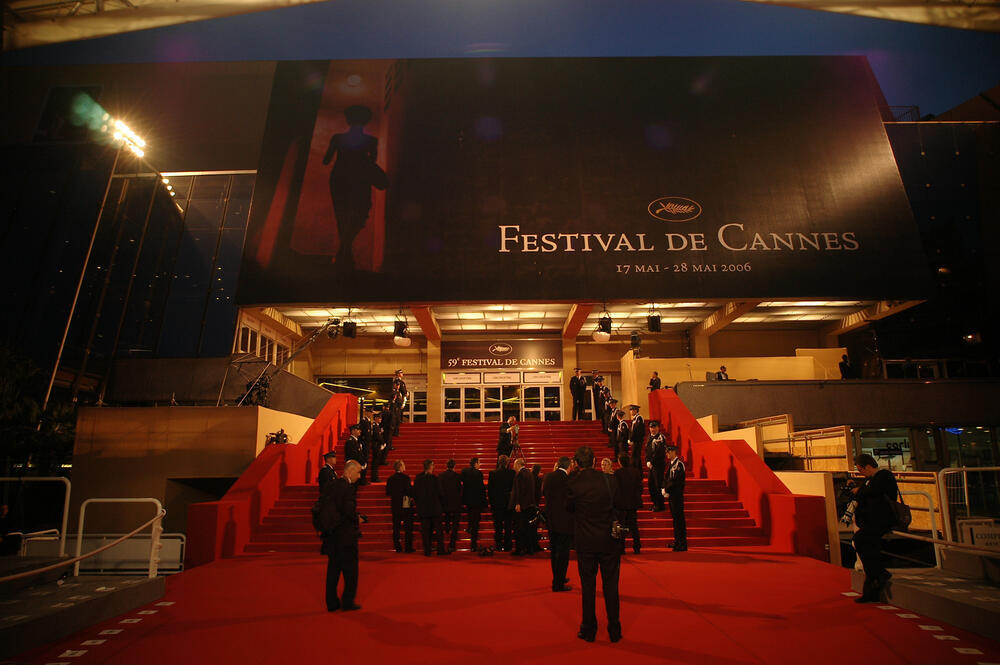
Cannes Film Festival
(Photo: Shutterstock)
After October 7, something unexpected happened alongside the grief and the numbness. People started writing. Not for international audiences. For each other. A reservist's wife documented her husband's return from Gaza in daily illustrations that became a book. A widow whose husband was killed on October 7 argued with his ghost in graphic novel form. A singer recorded an album in a rehabilitation ward.
We wrote. We reflected. We tried to make sense of what had happened – and of who we are now.
This is what culture looks like when it stops being a luxury and starts being a necessity.
Three years ago, together with Ronit Eitan, I founded Writing on the Wall and began publishing BALAGAN – a literary magazine of poetry, art and perspective. We are an odd pair: an American religious Jew and a secular Tel Aviv writer. Outside Israel, many of those distinctions disappeared. We became a single identity – discussed, condemned, defended, but rarely heard.
We have since published over 250 writers and artists across five issues. Not advocates. Not spokespersons. Writers. Artists. People who needed to say something and had no other place to say it. People who found themselves outside the conversation.
Our fourth issue is called Hope/Exhale. The title says something about where we are. Not optimism. Not denial. But persistence. Each issue takes a single theme – a small portal into the present moment and the language we are using to understand it. As a nation after a crisis, we are discovering that familiar words have taken on different meanings. Hope means something different now.
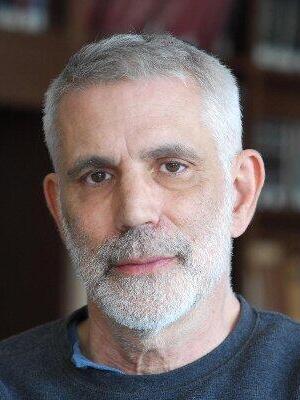 William KolbrenerPhoto: William Kolbrener's X page
Culture is how a people thinks about itself. It is how grief becomes memory, how fear becomes language, how the present moment gets handed to the next generation. The Talmud was not written in a time of peace. The great Jewish literary traditions were not born in comfort. They were born in exactly the kind of moment we are living through now – when the old institutions are failing and the voices that matter most have nowhere to go.
What I have learned in three years is this: the world does not lack opinions about Israel. It lacks curiosity about Israelis. There is a difference between being discussed and being heard. We have been discussed endlessly. We have rarely been heard.
We are not waiting for an invitation.
We opened our own conversation.
- William Kolbrener is co-founder of Writing on the Wall, publisher of BALAGAN and professor of English Literature at Bar Ilan University.