

U.S. President Donald Trump said in an interview with a local radio station in Kansas that "the war in Iran will end soon." Judging by all the indications reported in the U.S. media, an American strike will be launched after the midterm elections scheduled for the coming days, if it becomes clear that the Iranians have rejected all the proposals on the table to end the war.
Senior military commanders have presented the president with plans for a strike lasting "several days." That sounds good, assuming it does not overlook the fact that there is another side to this story. Yes, the Iranians. It reminds us of the book The Good Soldier Švejk by Jaroslav Hašek. Josef Švejk goes off to war firmly convinced that his mission is "to kill the enemy." Then he is told that he himself might be killed in the war. "Oh," he replies, "I hadn't thought of that."
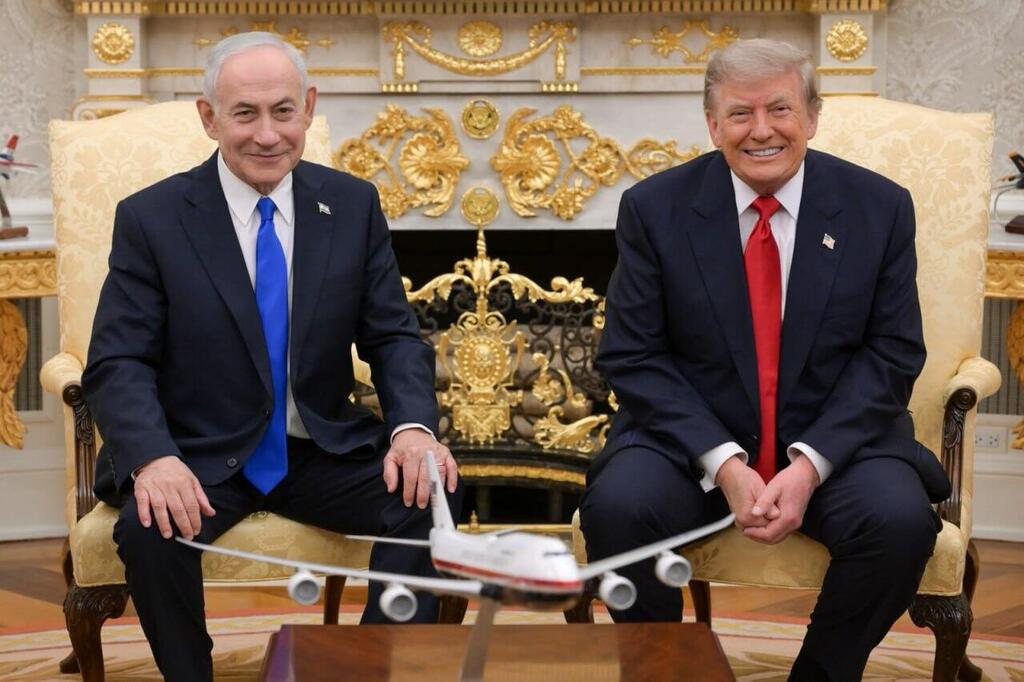
In other words, another round of fighting with Iran could drag on and exact a heavy price over a prolonged period, with the Iranians striking Arab countries and targets in Israel. There are no happy wars, and it seems to us that Netanyahu wants to sow chaos in the region, thereby ensuring his continued rule.
Trump expressed support for Netanyahu ahead of the elections, knowing that he would find in him an active partner for another round of war against Iran. Now that the votes for the 26th Knesset have been counted, the prime minister continues to wield all the powers of his office, even though he does not have the 61 Knesset members required to recommend that he be tasked with forming a new government.
Ironically, he holds these powers without Knesset oversight and has the authority to convene the outgoing security Cabinet and make any decision affecting the lives of Israeli citizens. And now we must try to answer the basic question: What comes next for Israel's international relations after the election? The hope surrounding the Israeli election was that a government would emerge that respected the rules of the international order regarding human rights, particularly what is happening in the West Bank.
It must be said plainly: A government that includes ministers Itamar Ben-Gvir and Bezalel Smotrich, with Netanyahu's clear approval allowing them to pursue a policy of creeping annexation and encourage Palestinians to leave, if not outright expel people from their homes, would face harsh responses, including economic and other sanctions against Israel. A lack of progress toward agreements in Gaza, Lebanon and with Syria would also bring about a dramatic change in relations with the U.S. administration.
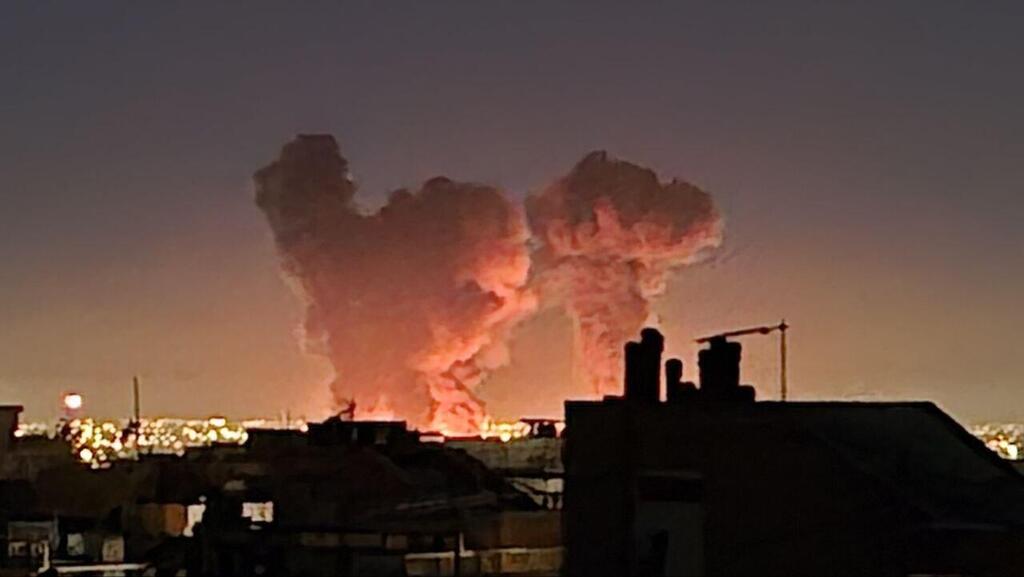
Smoke rising over Tehran
A warning: Netanyahu's declarations that he is effectively giving up the billions of dollars in annual aid that have enabled Israel to equip itself with sophisticated weapons for its defense, and that we will have to manufacture the equipment needed to defend ourselves, border on madness, according to my colleague, Maj. Gen. (res.) Amos Gilad.
Yes, you heard that correctly: utter madness. As he explains, this is not merely a matter of receiving checks worth billions of dollars each year, but also of scientific cooperation. If that cooperation were denied to us, it would mean the destruction of the very foundations of our national security. Moreover, we are convinced that if Netanyahu continues to serve as prime minister in the next government, Israel could suffer severe setbacks in every sphere if a Democratic candidate enters the White House in two years.
Netanyahu has dismantled the principle on which relations with the United States were built: bipartisan support for Israel. In other words, our warning is also directed at President Isaac Herzog, who has said that he intends to help resolve the deadlock that emerged from the latest election.