

The dramatic surge in energy prices triggered by Iran's blockade of the Strait of Hormuz and the shutdown of natural gas facilities in Qatar is nothing short of a strategic wake-up call.
As global markets react with price spikes of up to 68% for gas and oil, Israel stands at a moment of historical decision: will we continue to cling to the outdated energy model of centralized natural gas as a permanent solution, or will we seize this crisis to reshape our standing in the world?
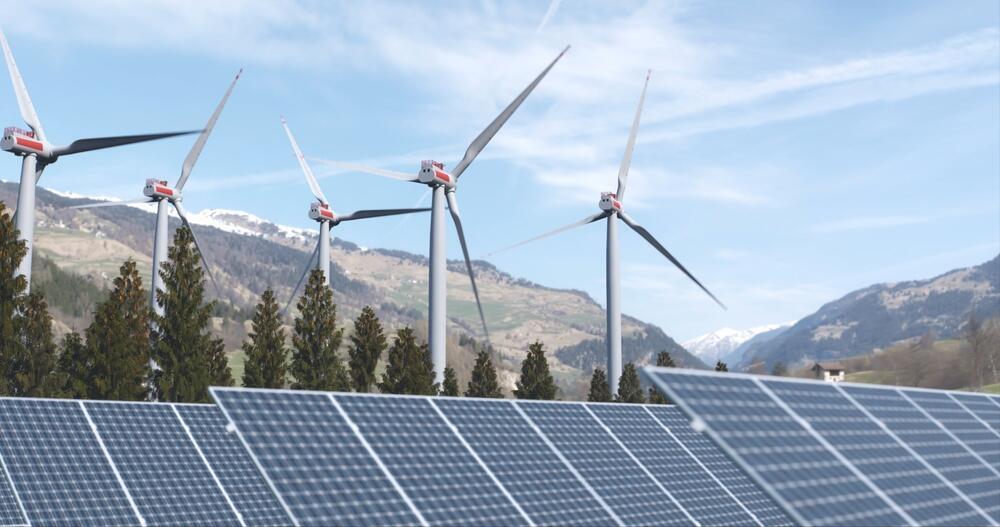
Natural gas was intended to be our bridge to a modern energy landscape. However, comfort has bred dependency. As electricity demand in Israel surges due to the proliferation of data centers, the massive shift to electric vehicles and demographic growth, the reality presents a simple equation: if we do not shift the paradigm from centralization to decentralization, we will face not only rising costs but a direct threat to the country’s operational continuity.
The five-year plan for energy decentralization: from theory to practice
We can no longer afford to plan only for the long term; we must act immediately to build resilience by design.
Core resilience zones: We must end our reliance on the national grid for critical national infrastructure. Hospitals, desalination plants, military bases and municipal control centers must transition to a microgrid model. Each such hub must be capable of islanding itself from the national grid during a crisis, generating independent power through a combination of solar and storage, free from dependency on vulnerable gas pipelines.
Urban, Industrial and agricultural integration: Every industrial rooftop, public building and parking lot must become a power plant. Furthermore, the deployment of Agro-PV (Agrivoltaics) technologies in agricultural lands is an absolute necessity. These technologies enable a synergistic coexistence between solar power generation and crop cultivation, turning "dead space" such as reservoirs, canals and urban buffer zones into vital energy sources without compromising food security or valuable land.
Storage as a national reserve: The argument that storage is expensive is an anachronistic fallacy. Storage is not an operational expense; it is a national insurance premium, akin to the Iron Dome. The government must set broad geographic storage quotas and mandate that every major energy-consuming project (data centers, campuses) include local storage and load-shedding capabilities as a condition for licensing.
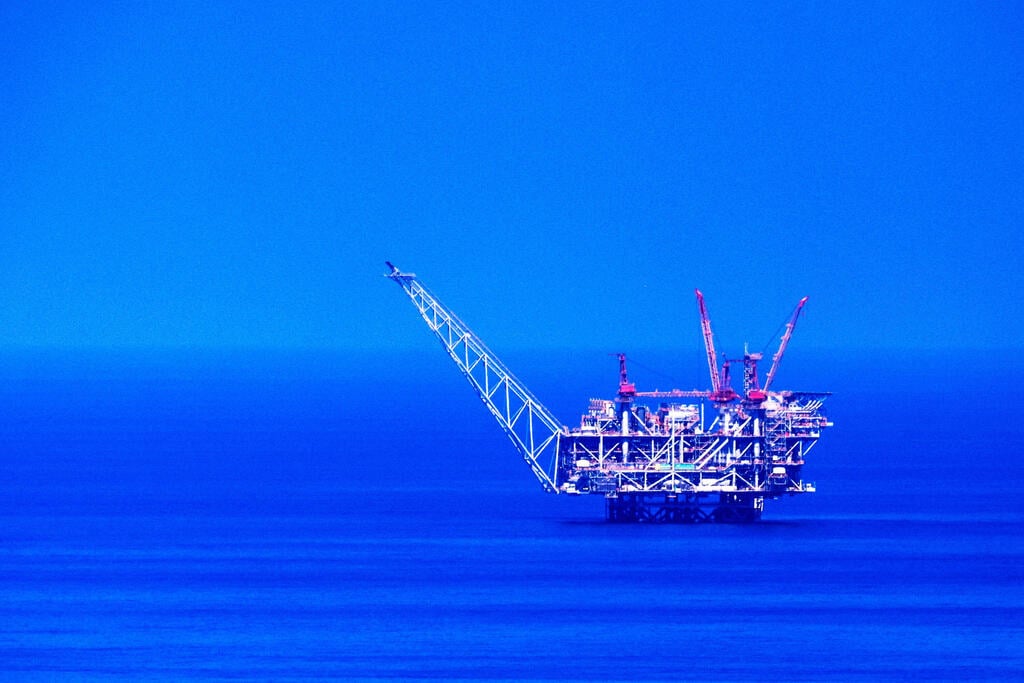
Vulnerable? Israel's Leviathan offshore natural gas rig
(Photo: Reuters)
We can no longer allow strategic projects to be stalled by local betterment levies or municipal bureaucracy.
The case of Agro-PV serves as a warning: we require a National Energy Security Authority with overarching powers to bypass regulatory hurdles and designate decentralization projects as national infrastructure. Clear hierarchy is a prerequisite for security: national strategic needs must supersede bureaucratic deadlock and local politics.
The global opportunity: a light unto the nations
Until now, those who controlled oil and gas, the Arab states and OPEC members, have set the global tone. They dictated prices, geopolitics and influence over the West. This crisis offers Israel a historic opportunity to break that equation.
If we transform Israel into a living laboratory for energy decentralization, we will ignite a revolution that resonates far beyond our borders. We can become a "light unto the nations" quite literally: leading the world in solar-based energy technologies.
Technological sovereignty: Through the process of domestic decentralization, Israel will develop the engineering, managerial and technological solutions that every nation will require in the future. Instead of exporting gas, we will export know-how and solutions.
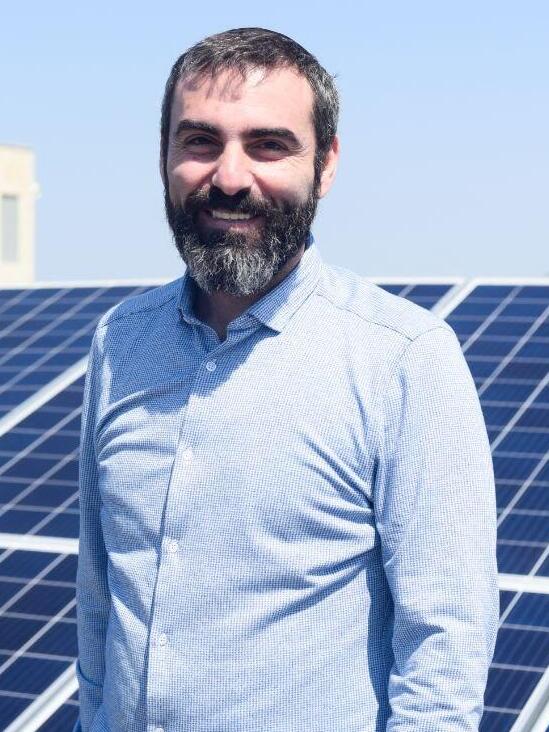 Eliahu Drori Photo: Courtesy
Weakening the adversaries: As more nations transition to decentralized and renewable energy, the geopolitical leverage of states relying on fossil fuel exports will diminish. We can lead the movement that erodes the grip of those who weaponize energy against us.
Israel at a crossroads
We do not know where the current conflict will lead, but we know how to rebuild Israel. Rather than waiting for the next pipeline or rig to be targeted, we must transform Israel into a decentralized, resilient and independent system.
The current crisis proves that economic efficiency is no longer the sole metric. In the new reality, true economic value is measured by resilience and security. Israel faces a rare opportunity to cease being a consumer of external stability and to become an exporter of energy security and technology. This is an economic interest, a security necessity and our path to ensuring the state’s future for generations to come.
- The author is the founder and CEO of Organuz