

For years, we’ve grown accustomed to talking about Gen Z in terms of "snowflakes": the distracted TikTok generation, the one that suffers from phone-call anxiety, switches jobs like socks, and prioritizes self-care over organizational interests. As employers, we observed them with a mix of apprehension and dismissal, wondering how we would manage a workforce that requires positive reinforcement every fifteen minutes.
But then, Israeli reality came kicking down the door and proved that the mistake was entirely ours. Beneath the digital exterior and the quest for purpose, a new "Greatest Generation" is emerging right here—the generation with the highest potential for effectiveness that the modern job market has ever known.
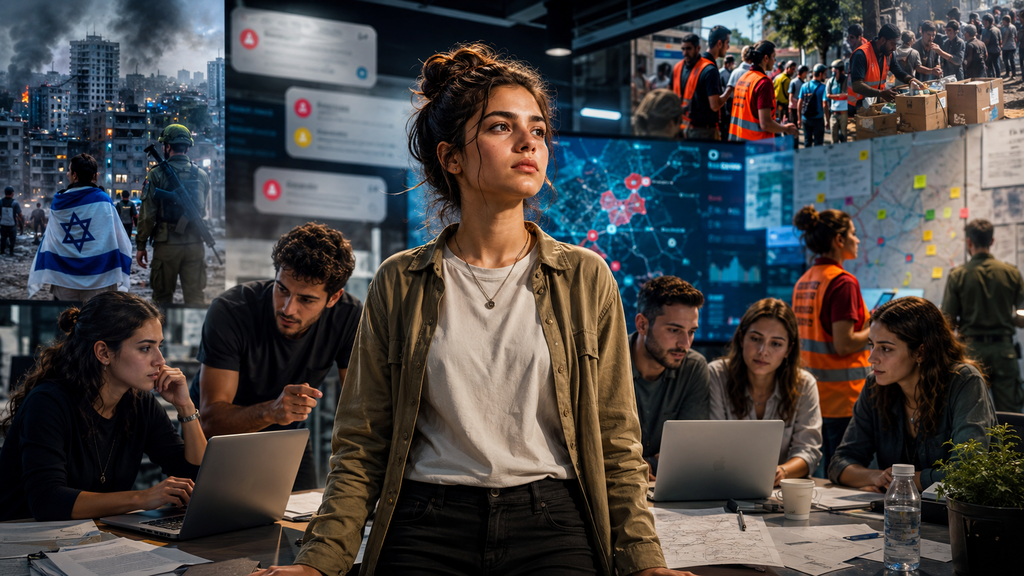
(Photo: ChatGPT)
The term "The Greatest Generation" was coined for the young Americans who grew up in the shadow of the Great Depression and went on to fight in World War II. They became a symbol of resilience, responsibility, and sacrifice—not because they were born that way, but because circumstances left them no other choice. In the Israel of 2026, we are witnessing a genetic replication of this phenomenon. Our 18-to-25-year-olds are not just "watching" complexity; they live it in their veins.
From post-COVID adjustments and social upheavals to the wartime reality forced upon us since October 7th—this generation has undergone managerial boot camp inside a pressure cooker that no MBA program could ever replicate.
The apparent paradox is that the very traits we once perceived as weaknesses are turning out to be an organization’s greatest strategic asset. In a world where ManpowerGroup's "Talent Barometer" indicates record-high levels of global burnout and stress, Israeli Gen Z-ers arrive at the workplace already immunized.
While managers from previous generations struggle to adapt to a world of uncertainty, these young people were born into chaos. For them, change is not a threat; it is a state of matter. They have developed the ability to function under extreme pressure, make rapid decisions in a volatile environment, and, above all, possess a mental resilience forged in the field—in the military reserves, in running civilian command centers, and in coping with profound personal and national loss.
This generation, often accused of challenging authority, is actually the generation searching for authentic leadership rather than empty hierarchy. When they find a worthy cause, they demonstrate total commitment that lasts for long months, far from home and comfort. They aren't just looking for a "job"; they are looking for a mission.
In the current job market, where organizations struggle with employee retention and brand connection, Gen Z brings a hunger for meaning that can propel companies forward—provided we are wise enough to offer it to them. They know how to work in flat teams where there is no room for ego, only results, because that is exactly what survival looks like in the Israeli reality.
Our biggest mistake as managers would be to continue viewing them through the lens of the previous decade. If we try to "tame" them into outdated management models of rigid attendance and control, we will simply miss out on the most powerful growth engine at our disposal. We must understand that this is a generation rewritten: it is deeper, more complex, and significantly stronger than anything we imagined.
In conclusion, Israeli Gen Z is not a problem to be solved, but an opportunity to be led. They are not spoiled—they are focused. They are not impatient—they simply know that time is too precious to waste on inefficiency. Managers who are wise enough to grant them the autonomy, meaning, and flexibility they demand will find they have gained the highest-quality employees and leaders that Israeli history has ever produced.
At the end of the day, those who know how to manage a team under fire or set up civilian aid operations overnight will be the ones to safely navigate your company through the economic storms of tomorrow.
The author is the CEO of ManpowerGroup Israel