


The solidarity with the hostages held in Gaza was, without doubt, the main reason hundreds of thousands of Israelis poured into Tel Aviv’s streets on Sunday night. It was the central motive, but not the only one. What drove people out of their air-conditioned homes was also the deep, sweeping disdain for Prime Minister Benjamin Netanyahu.
An estimated 99% of those who crowded the streets and the square believe he wants the war in Gaza to continue solely so he can remain in office, at least while he is still on trial. Fewer than one in six Israelis say Netanyahu is a trustworthy politician.
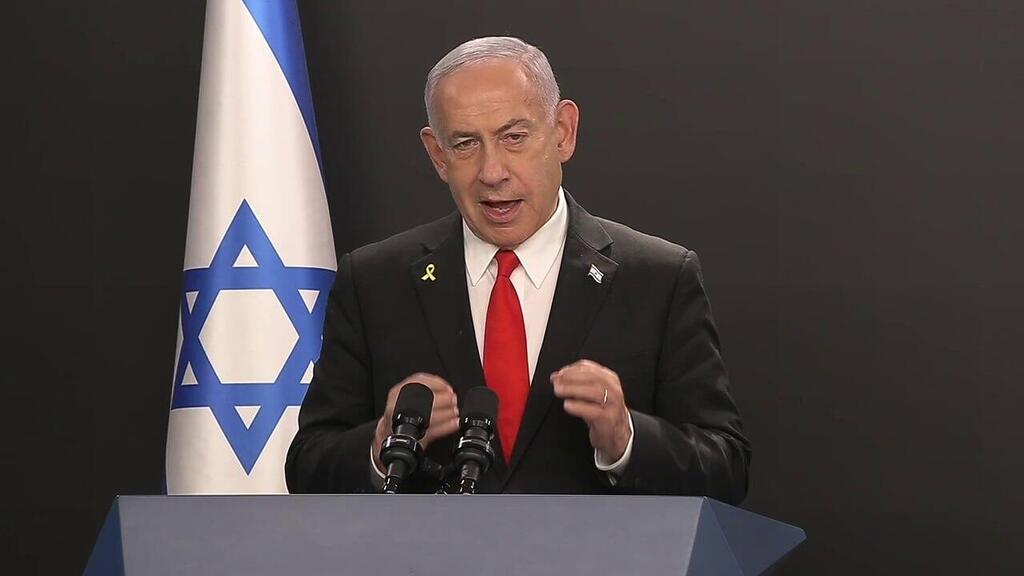
His credibility has been low before—few have forgotten his zigzags over the 2005 Gaza disengagement—but never has it sunk to such depths. The suspicion that initially marked hostage-related protests has now turned into open fury. Simply mentioning his name was enough to trigger boos and jeers, even from the most restrained demonstrators.
The protest was unmistakably political, classic politics. The reasons are clear: Netanyahu’s evasions, falsehoods, manipulations, frequent capitulations to messianic fringe parties and endless incitement have objectively crushed his credibility.
Take one example. When Netanyahu insisted that only a partial hostage deal was possible, he was accused of deception and pressed to pursue a comprehensive agreement that would free all the captives—whatever the cost.
Yet more recently, when he finally adopted (at least temporarily) the idea of a single all-inclusive deal, he was again accused of bad faith and urged to put forward a genuine Israeli proposal for ending the war. When he did so, with a detailed plan, the response was that this too was insincere and another act of evasion.
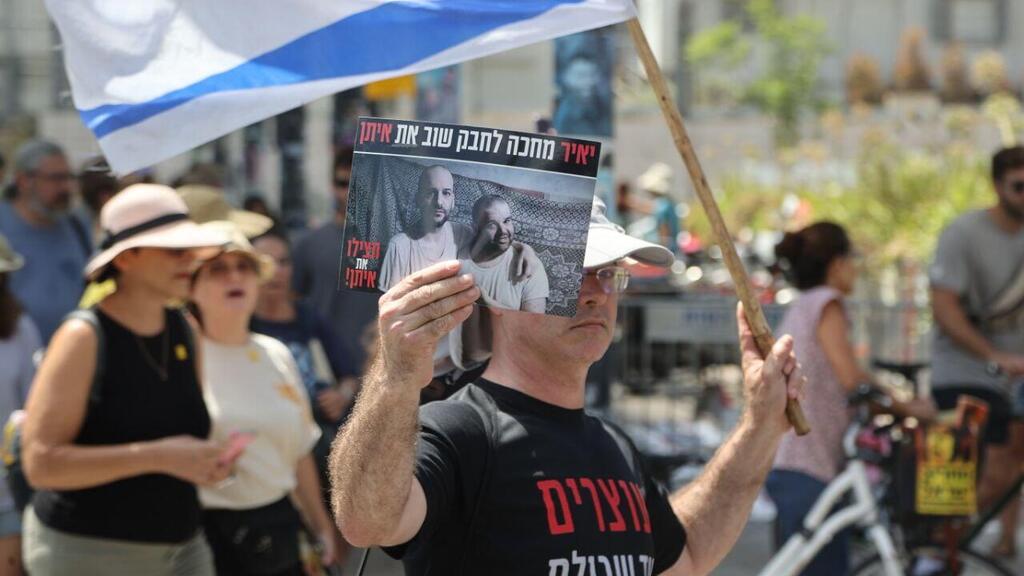
Protest for the release of hostages in Tel Aviv
(Photo: Motti Kimchi)
Another example: protest leaders charge that Netanyahu himself blocks a deal by declaring that once the last hostage is returned, Israel will consider itself free to resume military action against Hamas, regardless of any prior commitments. Hamas, they argue, would never agree to a deal guaranteed to be broken.
Yet senior former IDF commanders have said the same thing when asked how Israel could sign a hostage deal that leaves Hamas in control of Gaza: Israel, they reply, can sign any paper it likes to secure the hostages and then seize the first opportunity to resume fighting.
So what is the difference? Words are not the issue—intentions are. No one believes Netanyahu, not a single word, not a single explanation. From the start he has been suspected of being ready to stage any political maneuver—even military ones, including taking over Gaza City—if he thinks it serves his personal interests.
The distrust most Israelis feel toward Netanyahu—on the left, right, ultra-Orthodox and among Arab-Israelis—has been fully earned through his actions and his words. To civil society, the remarkable backbone of Israel, Netanyahu has become a symbol of rotten, corrupt, unrestrained and morals-free politics.
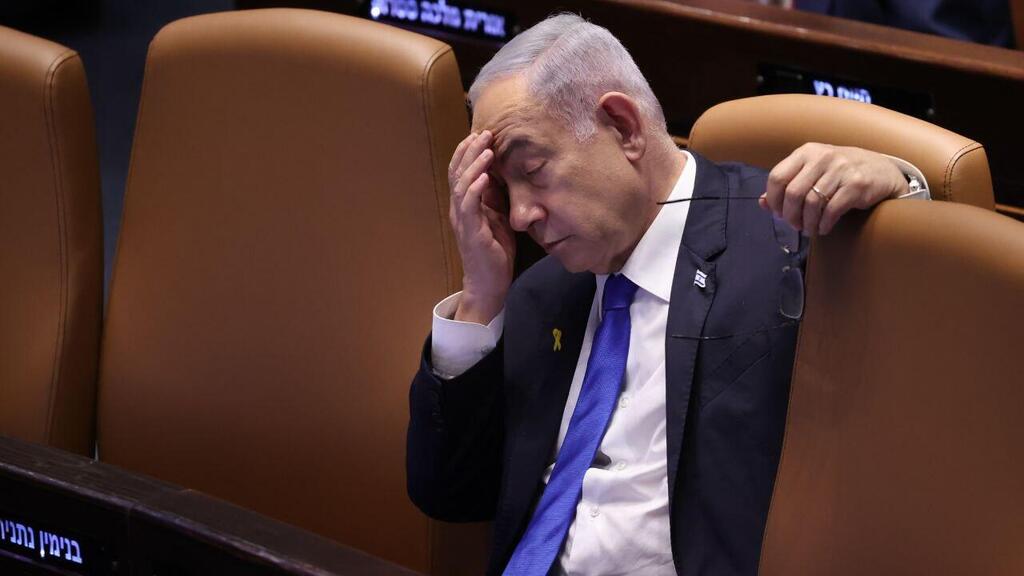
Netanyahu
(Photo: Alex Kolomoisky)
What united the hundreds of thousands who protested on Sunday, and in previous demonstrations, was the largely quiet but unmistakable political cry: “Anyone but Netanyahu.”
As for myself, I stopped trusting Netanyahu as a journalist years ago, even when I occasionally supported his decisions. When Netanyahu says “good morning,” I instinctively turn on the light in my apartment because I assume night has fallen. Is that a political reaction or simply the lesson of reality? Readers can judge for themselves.