


In recent days, U.S. President Donald Trump has made a decisive shift in how he intends to manage the confrontation with Iran. While he continues to pursue negotiations aimed at permanently preventing the Islamic Republic from developing nuclear weapons and maintains maximum economic pressure backed by a credible military threat, his approach to the potential use of force has changed substantially.
Instead of a short, decisive strike lasting a day or two, U.S. military planners are now preparing for a broad, sustained campaign across Iranian territory. The emerging concept, according to security assessments in Washington and Jerusalem, envisions a weeks-long “attrition campaign” designed not only to punish, but to reshape Iran’s strategic posture.
Gallery
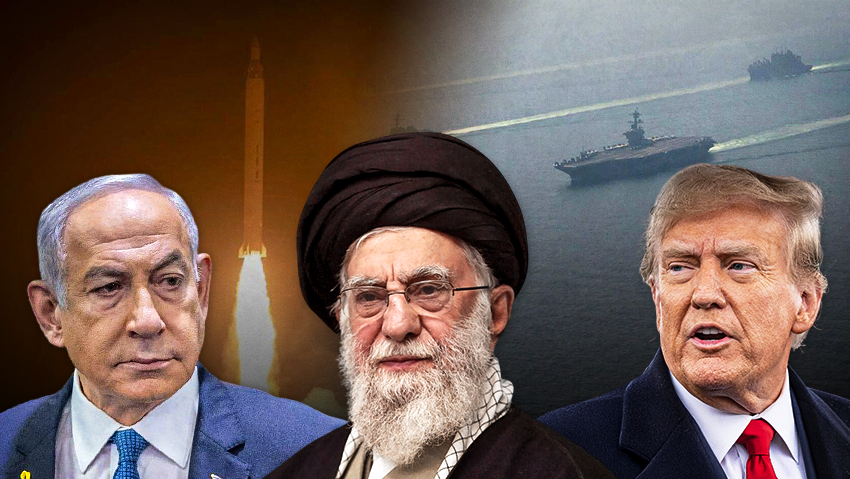
A possible weeks-long 'attrition campaign' designed not only to punish, but to reshape Iran’s strategic posture
(Photo: Lev Radin/ Shutterstock, AP, Haim Goldberg/ Flash90)
From short blow to sustained pressure
Until recently, Pentagon planning reportedly focused on a powerful but time-limited operation. Such a strike might have inflicted heavy damage on nuclear facilities and selected missile infrastructure but would likely have left the regime’s core power structures intact.
U.S. defense officials, alongside senior Israeli security figures who recently traveled to Washington, argued that a brief operation would not achieve strategic goals. It would delay, not dismantle, Iran’s nuclear program. It would leave ballistic missile production largely intact. It would not meaningfully weaken the regime’s internal security apparatus. Nor would it compel Supreme Leader Ali Khamenei to make the sweeping concessions Trump demands, including limits on ballistic missiles and an end to regional proxy support.
The new concept is therefore broader. It is not merely about degrading facilities. It is about sustained military pressure across multiple domains.
Map of US force deployments:
The USS Gerald R. Ford as a strategic signal
The clearest operational indicator of this shift is the Pentagon’s decision to direct the USS Gerald R. Ford carrier strike group toward the eastern Mediterranean.
The Ford is the newest and most advanced aircraft carrier in the U.S. Navy. Its design allows it to generate up to 150 combat sorties per day, compared to roughly 120 on older Nimitz-class carriers. Its air wing includes F-35C stealth fighters alongside F/A-18 variants and supporting aircraft.
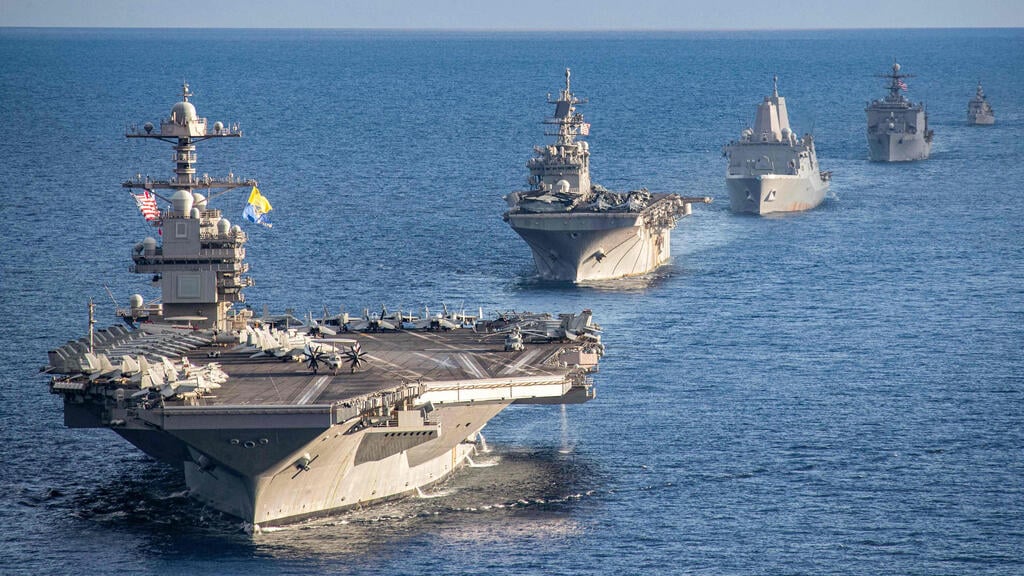
Its strike group includes multiple guided-missile destroyers and likely at least one submarine capable of launching large numbers of Tomahawk cruise missiles. Combined with another U.S. carrier already operating in the broader region, the force buildup signals readiness for sustained operations rather than symbolic retaliation.
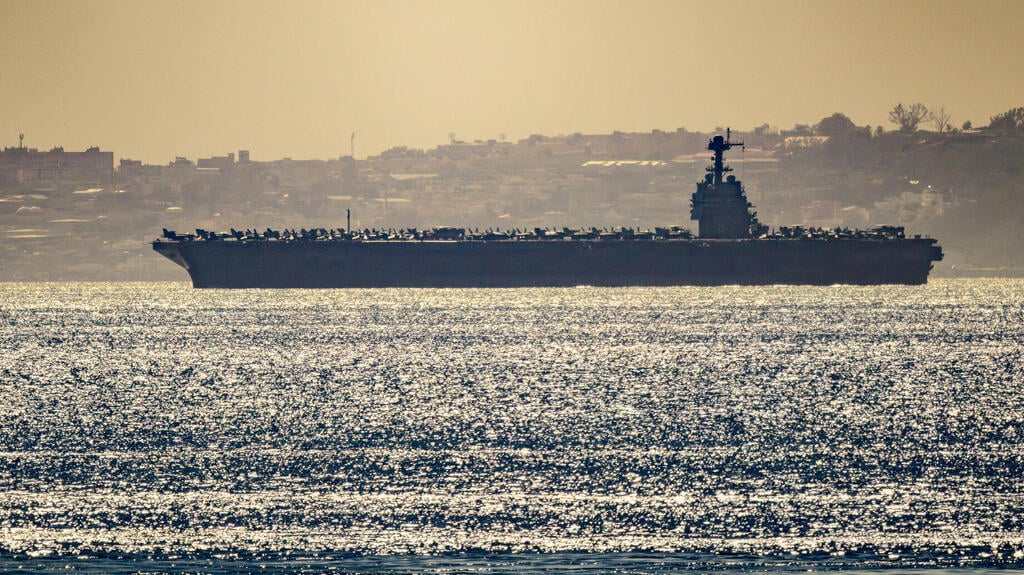
The USS Gerald R. Ford
(Photo: dparody/Instagram/via Reuters)
Regional deployments are expected to include:
- Two carrier strike groups
- Between 11 and 13 guided-missile destroyers
- Two or three submarines
- Approximately 250 strike aircraft
- Around 70 aerial refueling aircraft
- Early-warning, intelligence and electronic warfare platforms
- Reinforced Patriot and THAAD missile defense batteries
British fighter jets based in Cyprus are expected to contribute to defensive operations, particularly against drones and cruise missiles.
This is a force posture designed for endurance.
Strategic objectives: more ambitious than before
The revised American approach appears to rest on four central objectives.
1. Weakening the regime’s control mechanisms
The first objective is to degrade the Islamic Revolutionary Guard Corps and the Basij militia, the backbone of internal repression.
Israeli intelligence officials describe Iran as being in a “revolutionary state,” facing the most sustained domestic unrest since 1979. The assessment in some Western circles is that prolonged external pressure could weaken the regime’s ability to suppress protests.
American approach appears to rest on four central objectives
(Photo: Maxwell Orlosky / US DEPARTMENT OF DEFENSE / AFP)
However, intelligence agencies caution that regime collapse is far from guaranteed. Iran’s governing system is layered and institutionalized, not dependent on a single figure. Eliminating top leaders would not automatically dismantle the structure.
Still, sustained attrition of security forces, command nodes and logistical infrastructure could alter the balance between state power and public dissent.
2. Extending the nuclear setback
Iran possesses hundreds of kilograms of uranium enriched to 60%, technically a short step from weapons-grade. A central objective of the campaign would be to further damage enrichment infrastructure and weaponization-related facilities, lengthening the time required to rebuild.
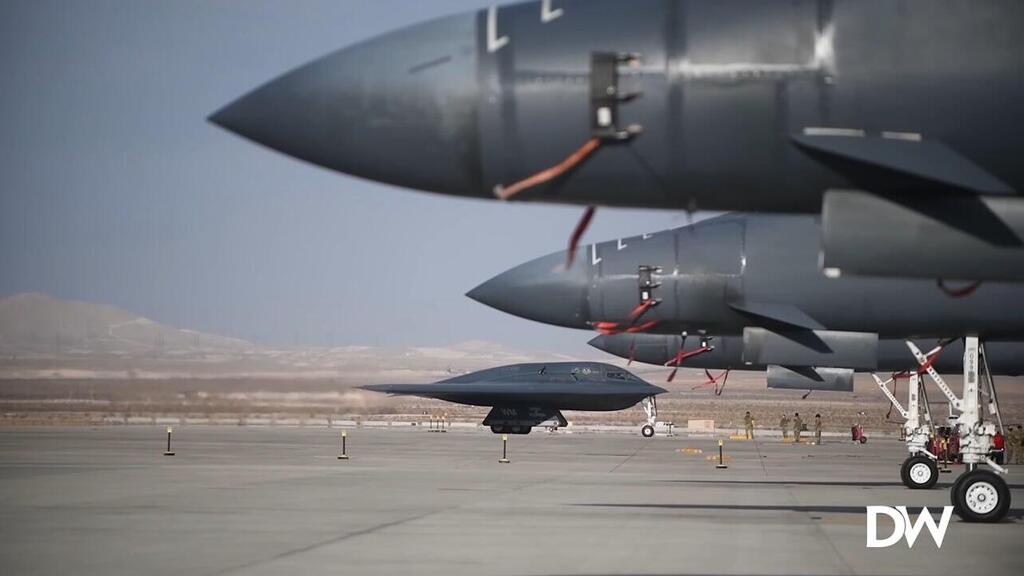
US B-2 Spirit
(Photo: The Daily Wire)
Heavy bunker-busting munitions carried by long-range U.S. bombers, including B-2 aircraft if deployed, would likely be required for deeply buried sites.
The goal would not merely be physical destruction, but also to signal that any attempt at reconstruction would face immediate renewed strikes.
3. Crippling ballistic missile capabilities
After previous blows to its air defense systems, Iran increasingly relies on ballistic missiles as its primary deterrent.
Iran produces hundreds of missiles monthly. Many are liquid-fueled, requiring extended preparation before launch, making them vulnerable during fueling. Israeli air operations in prior campaigns have demonstrated increasing proficiency in detecting and destroying such launchers.
A sustained US-Israeli campaign would target:
- Production facilities
- Underground storage depots
- Mobile launchers
- Launch infrastructure
- Command-and-control networks
Even if the regime survives, a significantly degraded missile arsenal would reduce its regional leverage.
4. Forcing intrusive verification
If military pressure leads back to negotiations, Washington’s aim would be to secure an agreement with intrusive inspections covering both nuclear and missile activities.
Phases of a potential campaign
A prolonged confrontation would likely unfold in stages.

US special envoys Steve Witkoff and Jared Kushner
(צילום: AP Photo/Evan Vucci)
Phase One: Intelligence and force buildup
This stage is already underway.
U.S. and Israeli intelligence assets are collecting high-resolution targeting data. Satellite reconnaissance, signals intelligence, naval surveillance and airborne platforms are feeding data into strike planning systems.
Logistical efforts are equally intensive. Refueling aircraft, electronic warfare assets and command-and-control systems must be positioned. Defensive plans for U.S. bases in Iraq, Jordan, Kuwait and the Gulf are being updated.
Troop relocations from exposed bases may serve as early warning indicators.
Phase Two: Opening strike
The initial blow would likely involve hundreds of Tomahawk cruise missiles aimed at:
- Radar systems
- Air defense batteries
- Missile launchers prepared for firing
- Naval assets threatening the Strait of Hormuz
Selective precision airstrikes could follow against high-value leadership or hardened targets, depending on intelligence reliability.
Iran would almost certainly retaliate quickly. Ballistic missiles, drones and cruise missiles would target U.S. installations and Israeli cities. While layered defenses would intercept most, some impacts are expected.
Israeli civil defense authorities are preparing for multi-day periods of sheltering. Public discipline would be critical.
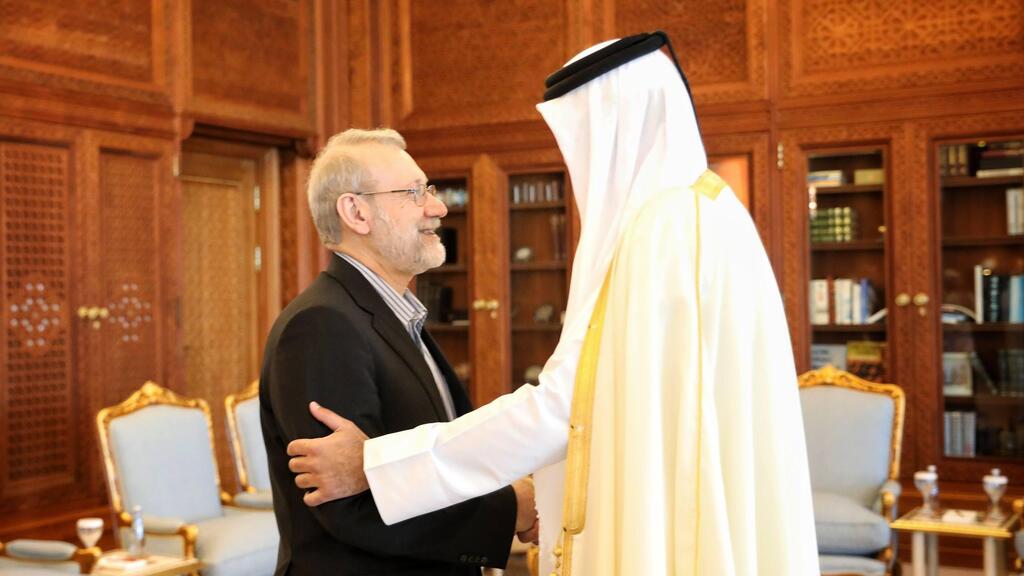
Secretary of Iran’s Supreme National Security Council Ali Larijani with Qatar’s Emir Sheikh Tamim bin Hamad Al Thani
(Photo: Social media)
Phase Three: Sustained attrition
Once initial air defenses and launch capabilities are degraded, sustained operations would follow.
U.S. forces would strike Revolutionary Guard bases, missile complexes and nuclear-related infrastructure. Israel would focus heavily on hunting mobile launchers and dismantling military development facilities.
Iran would likely attempt to:
- Disperse mobile launchers disguised as civilian vehicles
- Relocate leadership into hardened underground sites
- Attempt maritime disruption in the Strait of Hormuz
Naval engagements in the Gulf would aim to neutralize Iranian fast-attack craft and mine-laying operations.
Regional proxies could attempt limited interventions, though their current capabilities are assessed as constrained.
Phase Four: Termination
President Trump has historically shown a willingness to declare victory once military objectives are judged met. The campaign would likely conclude with a ceasefire framework once target banks are largely exhausted.
At that stage, Washington would seek renewed negotiations.
Regional pressure and constraints
Gulf states, Turkey and Egypt are reportedly urging Washington to avoid escalation. Their concerns include:
- Oil transit disruption through Hormuz
- Missile strikes on energy infrastructure
- Refugee flows into neighboring states
- Domestic unrest triggered by regional instability
Qatar has reportedly signaled reluctance to allow offensive operations from its territory, complicating U.S. basing options and reinforcing reliance on naval platforms and Jordanian facilities.
Timing uncertainties
Some U.S. planners reportedly favor waiting until after Ramadan to avoid inflaming religious sentiment. However, the initiative does not rest solely in American hands.
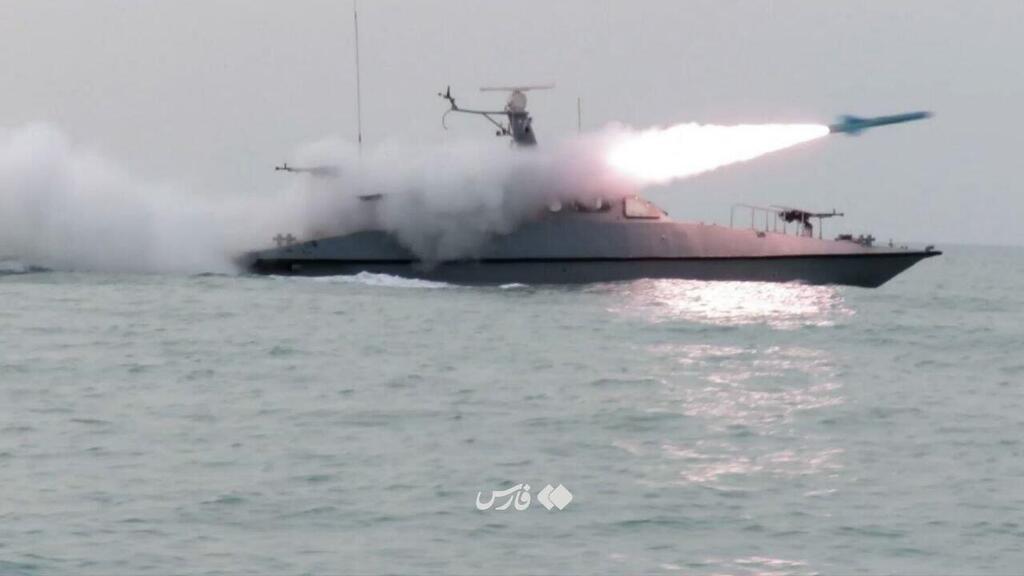
Islamic Revolutionary Guard Corps drill in the Strait of Hormuz
An Iranian preemptive strike, or a miscalculation triggered by heightened alert levels, could accelerate events.
Israeli intelligence, air defense systems and Home Front Command are already operating at elevated readiness.
The military dimension is formidable. The United States is assembling a force designed not for a gesture, but for endurance. The operational concept has shifted from a sharp blow to sustained attrition.
Yet the political outcome remains uncertain.
Military power can dismantle infrastructure and degrade capabilities. It can pressure leadership and reshape deterrence. But whether it can catalyze structural political change inside Iran remains unclear.
What is evident is that Washington’s posture now reflects preparation for a prolonged confrontation, not a symbolic strike. The deployment of the USS Gerald R. Ford and accompanying forces marks a strategic signal: if diplomacy fails, the United States appears ready for a campaign measured not in days, but in weeks.