

The Houthis, who have morphed from a youth movement into a terrorist group and then into a terrorist state, have launched a multi-stage campaign to eliminate the local and regional threats to their regime. By their own account, the friction began in July as a narrow effort to push back against Saudi Arabia and “lift the siege” they claim they are under. It has since snowballed into something far broader, a war of attrition against the Kingdom and the Yemeni forces it backs.
The first phase delivered significant territorial gains against Yemen’s anti-Houthi forces, most notably along the western coast overlooking Bab al-Mandeb in territory held by Tareq Saleh’s National Resistance Forces. The Houthis softened the target with precision fire, then combined disinformation, human-wave assaults, and the exploitation of fraught relations among the anti-Houthi factions. The result was Saleh’s retreat and the group’s entrenchment across strategic territory, including several Red Sea islands that give it greater ability to control the Bab al-Mandeb Strait by targeting maritime traffic.
Control over one of the world’s maritime chokepoints might have been an end in itself. Yet the Houthis did not stop there. According to reports from the ground, they are now pushing on to Taiz, Yemen’s third most populous city. Three possible explanations could be motivating the group.
The first is momentum. After lightning victories over some of Yemen’s most respected and best-equipped forces under Tareq Saleh’s command, the Houthis believe they can exploit their adversaries’ flat-footed response. Once they establish facts on the ground by seizing and digging into new areas, those gains will be difficult to reverse and will give the movement greater strategic depth along the critical coastal regions.
The second is population. The Houthis may consider human life cheap, but they understand the value of governing large numbers of people. Most of their revenue comes from taxing the population under their control, through import duties and the sale of basic goods and services. After a decade of Houthi rule, that population is likely close to tapped out. Capturing a new population center gives the regime a fresh pool of resources to extract and distribute to loyalists, fueling the regime and its war machine.
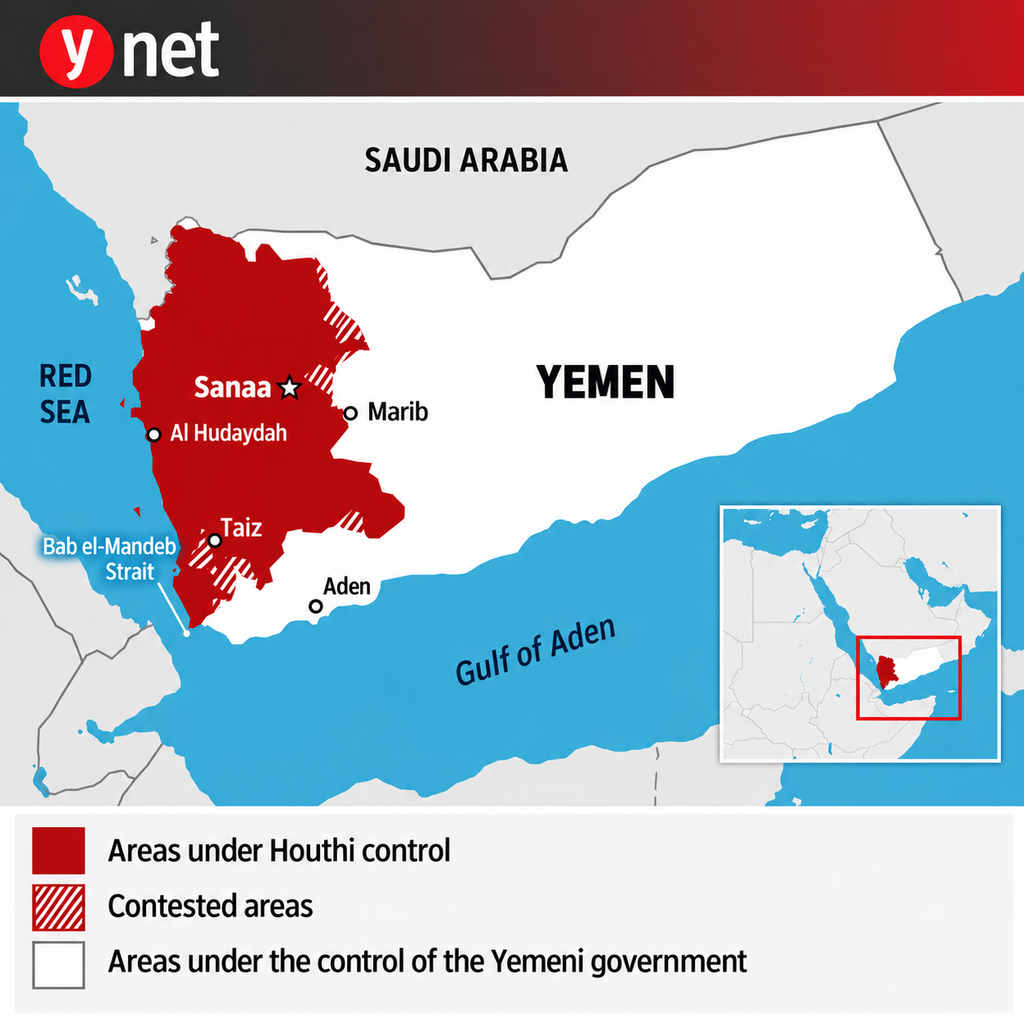
Population also means manpower. The group’s use of human waves, including sending unsuspecting high school students forward as cannon fodder, shows that it intends to win by the sheer quantity of fighters it can deploy. The population ratio between Houthi- and non-Houthi-controlled areas already stands at roughly 3:1, odds that favor the terror group. If Taiz falls, the balance will tilt even further in the Houthis’ favor.
The third explanation looks beyond Yemen, to how the Houthis view their Saudi adversary. Riyadh has not folded this time under Houthi threats (or attempts at extortion) in part because it believes it has a counterweight in the anti-Houthi coalition it supports. By driving toward Taiz, the Houthis may be trying to prove that this coalition is ineffective and nonviable. The message to Riyadh would be that there is no option left but to put boots on the ground to contain, let alone defeat, the Houthis. In pushing on Taiz, the Houthis are not fighting Saudi Arabia directly, but they are trying to defeat Saudi leverage. Ultimately, their aim may be to convert battlefield advantage into the extraction of diplomatic and economic concessions from Riyadh.
The Houthis may control the level of escalation for now, but that does not guarantee their gambit will succeed. The campaign could prove costly for the regime, since every casualty in the human waves it sends forward is a wounded fighter or a bereaved family it will be pressed to support. Taiz itself may prove the larger obstacle: the city is a stronghold of the Sunni Islamist party Islah and is likely to mount fierce, if disorganized, resistance against the Zaydi Shia militia. Hashemites and Zaydi northern tribesmen from governorates such as Saada may look back fondly on the Imamate, which inspires Houthi ambitions, but the people of Taiz remember a religiously repressive order that shut them out of power. Social media is already filled with posts of residents mobilizing to fend off the Houthi offensive.

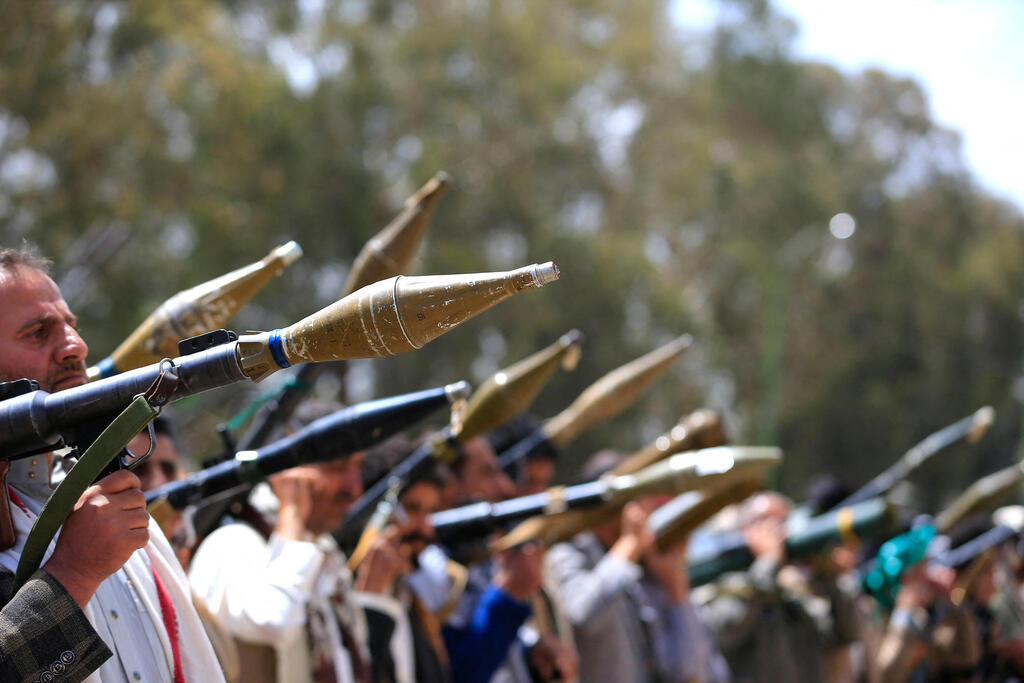
Saudi-backed Yemeni government forces battle the Houthis in the Taiz area of southwestern Yemen, Sept. 8
(Photo: AFP PHOTO / NATIONAL RESISTANCE FORCES IN YEMEN / HANDOUT)
The last word on the Houthi offensive has not yet been written, and much can still be done to turn it into a strategic blunder. The aim should be to stall and then reverse the advance, forcing the group to burn through resources and manpower and deepening the strain it is already under. That means striking Houthi supply lines from the air: they are likely stretched thin and dependent on a few key routes, and frontline units cut off from supplies lose morale and cease to function. The Houthis have learned to operate under their adversaries' air superiority, but they are not immune to logistical strain. It also means channeling support to anti-Houthi forces through the Saudis, who must in turn impose a unified and effective command structure. If the past teaches anything, it is that rival patrons each nurturing their own militias for the sake of expedience is a recipe for a divided and dysfunctional coalition for many years to come.
But no anti-Houthi strategy can succeed over the long term without a shift in mindset. The Houthis will keep winning as long as they pursue maximalist aims while their adversaries settle for minimalist ones. The goal must be to defeat them, not to contain them.
- Ari Heistein is a veteran Yemen analyst who advises corporations and institutions on the Houthi threat, and works with Israeli UxS startups to bring defense and dual-use technologies to the U.S. Department of War.