

Once again, we are demanding an explanation. Just as after the second round of fighting with Iran, when we were assured it was over and that Tehran had been pushed back decades, only to discover that we were effectively stuck where the previous round had ended, we are again being asked to accept a dramatic security move without being given a convincing account of why it was necessary.
If this were another prime minister, perhaps we would be inclined to trust him. But this is Benjamin Netanyahu, and trust is no longer something that can simply be demanded. Israel attacked an airfield in northwestern Syria on August 18, saying Turkey was preparing to deploy forces there and establish a military presence in the area. But what exactly changed? Turkish troops in Syria are hardly new. Was this particular move so strategically transformative that it justified an attack with potentially enormous consequences? What was the risk-reward calculation, and why was the danger considered so immediate that military action became necessary?
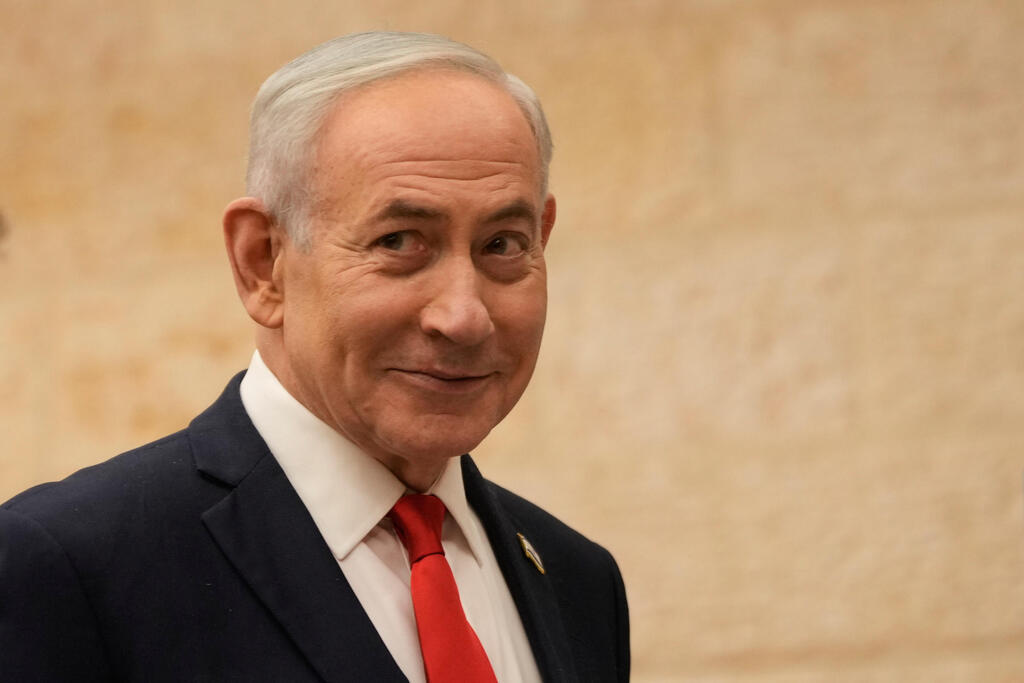
Prime Minister Benjamin Netanyahu
(Photo: AP Photo/Ohad Zwigenberg, Pool)
More importantly, can strikes of this kind actually improve Israel’s strategic position, or do they risk producing precisely the opposite result? Turkey is not Iran. A military confrontation with Ankara would be a disaster almost beyond exaggeration. Turkey is a NATO member with a huge military equipped with some of the best weapons available. Iran, after years of sanctions, lacks a modern air force and robust air defenses. Turkey does not. If Ankara ever chose to respond seriously, God help us.
Could this have been handled diplomatically, especially when there is no indication that Turkey wants a military conflict with Israel? Or are officials in Washington, Damascus and Ankara right to suspect that Netanyahu’s attention is focused less on Turkish intentions than on Israeli voters? Netanyahu has once again shifted from one extreme to another. After American pressure forced Israel toward restraint with Hamas, Hezbollah and Iran, he is back to his familiar pattern: either paralysis or dangerous hyperactivity, either doing nothing or acting as though Israel stands alone against everyone.
And absent another convincing explanation, it is difficult not to look at the political calendar. Netanyahu is struggling in the polls. At the moment, he does not appear able to form a government. And as long as one of the right’s most persistent political instincts remains that Netanyahu is the man to manage a security emergency, then perhaps what he needs most is precisely that: an emergency.
So an emergency is created. The hope, presumably, is that unlike previous wars, nobody will force him to end this one too soon, allowing the atmosphere of crisis to stretch at least until Election Day. All we can do is hope that in the 67 days remaining, he does not drag us into a catastrophe.
First published: 14:31, 08.22.26