

For some people, faith is inherited. For others, it is tested, broken and rebuilt.
In parts of the Arab world, religion is not only a personal belief system. It is identity, culture and social belonging. To question it is not seen as private doubt but as betrayal.
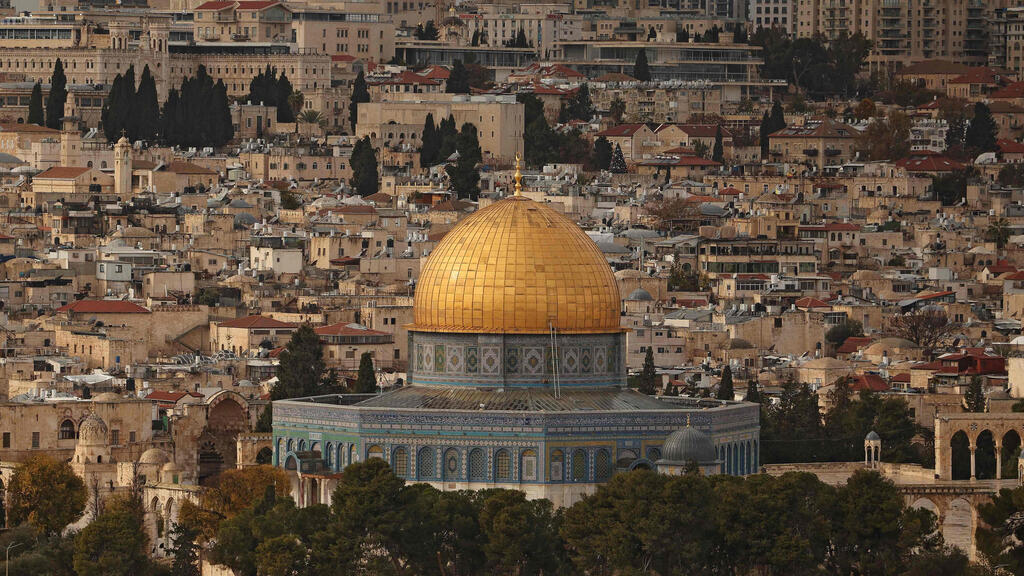
Temple Mount
(Photo: Ahmad Gharabli/ AFP)
For someone raised in a traditional Muslim family, that cost can be high.
Disillusionment and the search for truth
The journey began with disillusionment. Exposure to violence carried out in the name of religion, particularly under jihadist ideology, raised difficult questions. When such acts appeared to draw justification from religious texts or accepted interpretations, they challenged the moral foundation of belief itself.
This was not a sudden rejection of Islam. It was a gradual process of questioning, reflection and growing discomfort with what felt like contradictions between moral values and religious teachings.
Eventually, the break came. What followed was not clarity, but uncertainty. A period of atheism removed belief but did not end the search for meaning. If anything, it intensified it.
In many Arab societies, leaving religion is never just a personal decision. It can mean social isolation, hostility and, in some cases, real danger. Friends and communities often react sharply. The shift is seen as offensive, destabilizing, even threatening.
In some countries, the risks go further. Apostasy can carry legal consequences, reinforcing an environment where questioning is discouraged. Despite that, the search continued.
Encountering Christianity
The turn toward Christianity did not happen overnight. It began with curiosity, first about Jesus, then about the Bible. That curiosity led to study, conversations and engagement with Christian communities. Over time, intellectual interest became conviction.
Conversion was not only a spiritual decision. It was a transformation of identity. Baptism marked that shift, both publicly and personally. But the consequences were immediate.
Sharing this journey publicly, particularly online, triggered backlash. Threats followed. Then intimidation. Then violence. What began as social rejection escalated into physical danger.
Eventually, leaving the country was no longer a choice. It was a necessity. Exile became the price of belief.
From faith to political identity
The transformation did not stop at religion. It evolved into a broader worldview that included political alignment. Embracing Christianity was accompanied by growing support for Israel and Zionism.
This position was shaped by a mix of theology, political understanding and lived experience. Support for Israel was not framed only as a geopolitical stance, but as part of a rejection of extremism and a belief in coexistence. It marked a shift from inherited identity to one built through personal conviction.
Out of that journey came a new role. Having experienced both ideological change and social persecution, he now speaks out against extremism and in favor of reform. His message focuses on religious freedom, critical thinking and challenging dominant narratives within the Arab world.
This is not only a personal expression. It is an attempt to influence the broader conversation.
This story reflects the deep connection between religion, identity and politics in the Middle East. It also highlights the cost of breaking from accepted norms and the resilience required to do so.
The journey from disillusionment to faith, and from faith to political identity, is not only about religion. It is about autonomy. It is about courage. And it is about the search for truth in places where that search can come at a very real price.
- Rami Al Dabbas is a writer/commentator known for opinion pieces on Middle East politics, critiques of Islamist movements, advocacy of political realism and engagement and a controversial presence on social media.