

My brother Roy, my younger brother, was almost 25 when he died by suicide as a result of a silent war. But that is not the whole truth. The truth is that his death began long before the day our father found him.
It began in Gaza — inside the horrors Roy saw and suffocated deep within himself. My brother stayed silent, and silent again, fighting a quiet war. A war of horrors that no soul can or should carry alone.
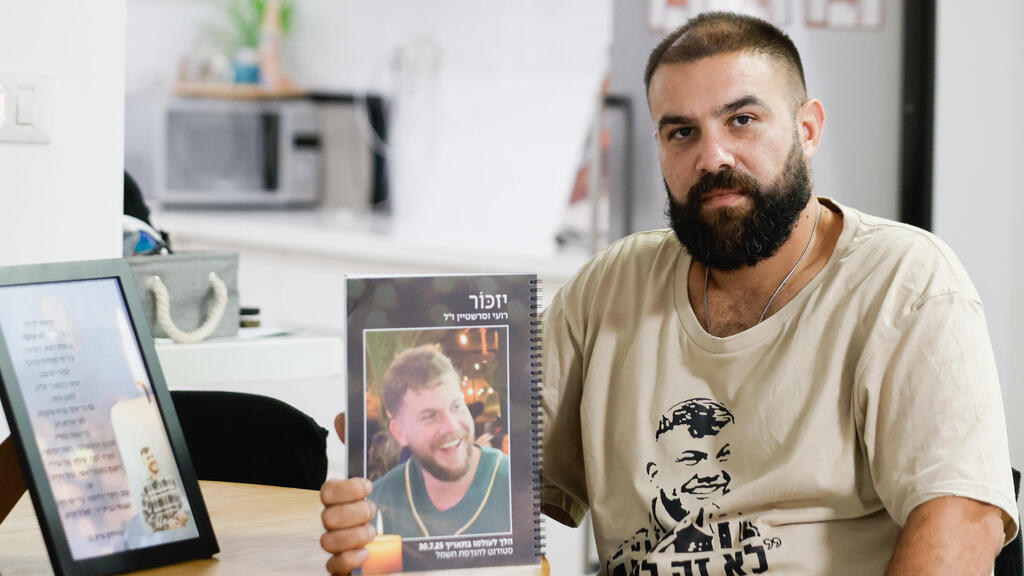
Roy was a combat medic in the 401st Brigade, in the medical evacuation unit. More than 300 days of reserve duty, in rotations. Battles. Wounded soldiers. Body parts. Evacuations under fire — things no human being should ever have to see.
And between reserve rotations, he worked full time, studied electrical and electronics engineering, was an involved and present uncle, and a brother you could always rely on to help in any situation. Everything was done gently, quietly, with kind eyes and without a trace of bitterness.
He lived a full life. He was a hero. And we, his family, did not know how much.
After his last round of reserve duty, something in him changed. He became quieter, more withdrawn. But Roy was always quiet — that was his personality. We suspected nothing.
A month and a half after his last rotation, my brother called me and said, “Tom, sit down.” I was sure something had happened to Dad. And then he said, “Roy killed himself.”
In that moment, nothing made sense anymore.
During the shiva, I came to know my brother Roy more deeply. Friends came from his studies, from work, from the army. People told us how he supported them, how he strengthened them, how he gave them hope, how he was there for children after they were bullied.
We discovered he excelled in his studies. We discovered he was a commander. We discovered he was a role model among his friends, someone they truly admired. We got to know him again, after he died — and that broke me.
I will never forget one sentence I heard there: “Roy talked about everything — except what he saw in the army.”
In that moment, I understood: my brother did not die because he was weak. He died because he was too strong. Because he carried, in silence, something inhumanly heavy.
We were never taught how to talk. Fighters were not taught how to unload what they carry. They were taught to suppress it. “Processing days”? A nice way to check a box. Roy didn’t go. He said he didn’t need it, and they let him be. And we paid the price.
Roy carried too much — far too much.
When I was diagnosed with cancer at 34, I didn’t stay silent. I talked. I told everyone. It connected people to me. It saved me. It gave me strength.
And Roy? He went through hell, and masculine and military culture taught him to shut up. To be “strong.” “Heroes don’t cry.” “Therapy is weakness.” And if he asked for help, maybe they would take his weapon. Maybe it would harm his career.
That silence killed him.
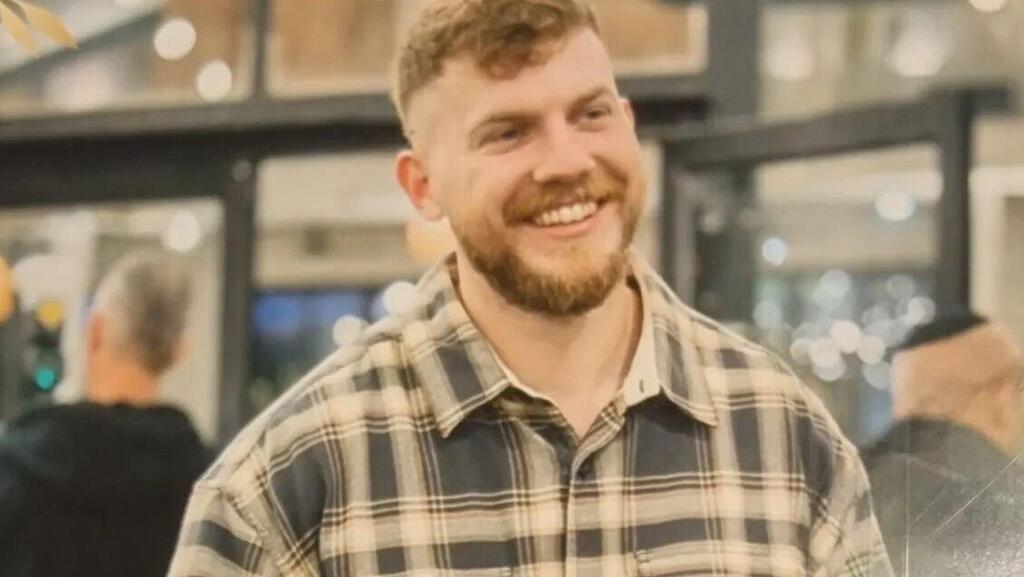
Roy Wasserstein
During the shiva, I realized I had two options: to sink into the darkness, or to take Roy’s light and do something with it.
We founded an initiative in Netanya called “The Burning Candle,” a safe space for fighters to release what they are carrying. I speak about Roy everywhere — in forums, in the army, in city halls, even at festivals with thousands of people. Because there, especially there, this needs to be talked about.
And every time someone comes up to me and says, “Because of what you said, I went to therapy,” I understand that Roy’s death was not in vain. That he is saving people through his story.
We do not know what our fighters went through. We cannot truly understand. Every day I see the image of Roy lying dead in front of my eyes, and I think about what he saw and kept inside.
That is why I write. This is my mission: to bring the darkness into the light. To teach fighters to talk. To teach families to ask. To remind us that a strong man is a man who speaks. And to say out loud: even someone who looks strong can be broken inside.
Roy is a fallen soldier of the war. He was wounded in battle and fell afterward. What hurt him was not the fire — it was the silence.
And if there is one thing I can ask of anyone reading this, it is simple: ask. Talk. Give the people around you permission to speak and to break. Because our fighters should not keep dying from the things they do not say, from the things that kill them from the inside.
Not in my home. Not anymore.
We Came to Embrace the Darkness is an annual project of the MOSHE Movement – Words that Make a Difference, whose purpose is to raise awareness for suicide prevention through the community.