

The current crisis in the Persian Gulf is not just another isolated event in the global energy arena. Iran’s blockade of the Strait of Hormuz and the laying of naval mines in this strategic passage have shaken global energy and trade markets.
The narrow waterway, through which roughly one-fifth of the world’s oil supply passes, has suddenly become a dangerous choke point. Even if an international operation begins to clear the mines, many assessments suggest it could take months before oil tanker traffic fully resumes.
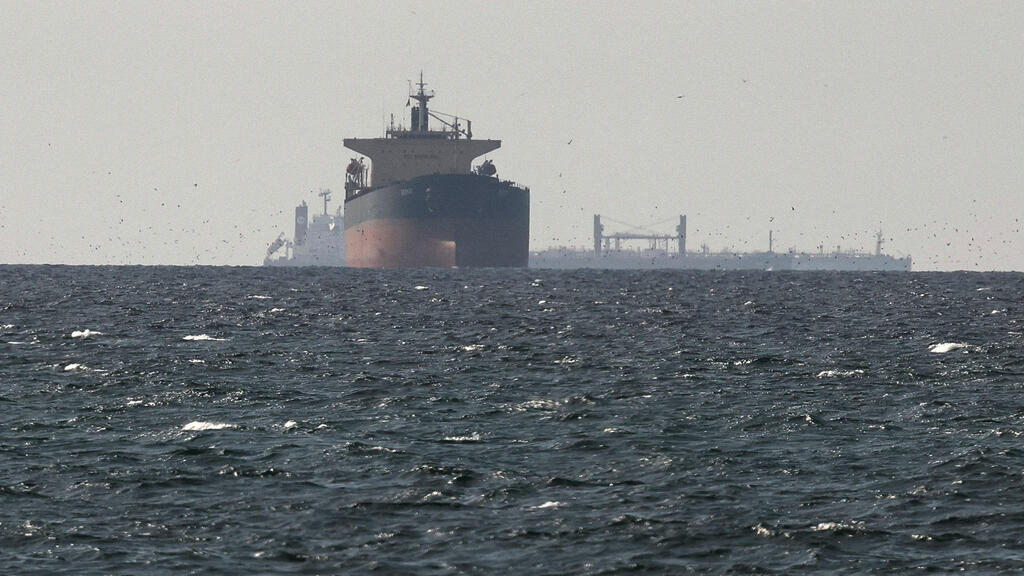
But mines are only part of the problem.
Ensuring freedom of navigation in the Strait of Hormuz has become an extremely complex task. Beyond naval mines, Iran possesses a wide arsenal of maritime and aerial attack capabilities designed precisely to disrupt shipping.
These include advanced coastal anti-ship missiles deployed along Iran’s coastline, small and stealthy submarines operating in the shallow waters of the Gulf, explosive-laden speedboats, unmanned aerial vehicles and attack drones. Each of these systems has the potential to strike oil tankers, disrupt shipping lanes and send global energy prices soaring.
The implication is clear: even after mines are cleared, a full return to safe navigation in the Strait of Hormuz cannot be guaranteed. Any minor regional escalation could once again threaten one of the world’s most vital energy routes.
Already the effects are visible.
Since the beginning of the crisis, global oil prices have risen sharply. Energy markets are tense, and fears of supply disruptions are pushing prices higher. Rising oil prices do not remain confined to the energy sector. They ripple through the entire economy: fuel costs rise, shipping becomes more expensive, industrial production costs increase and, ultimately, the cost of living for citizens around the world climbs as well.
The longer the crisis persists, the greater the risk of a broader economic shock.
Yet amid this reality, an Israeli paradox emerges. While the world searches for alternative energy routes, one already exists — and it runs through Israel.
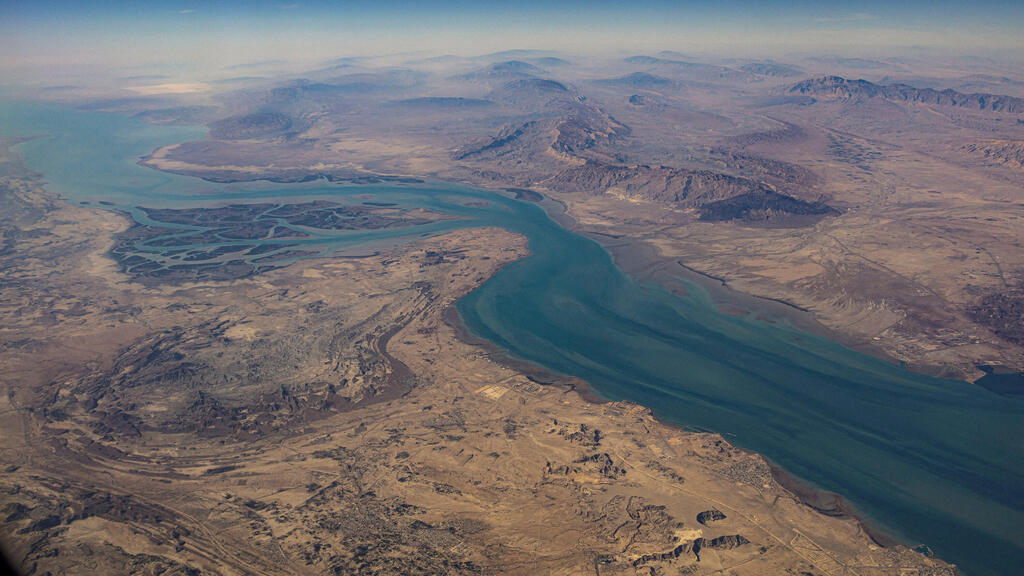
The Strait of Hormuz
(Photo: Reuters)
Since the 1960s, Israel has possessed a unique strategic infrastructure asset: the Eilat–Ashkelon pipeline operated by the Europe Asia Pipeline Company. This pipeline enables oil to flow efficiently between the Red Sea and the Mediterranean, effectively serving as a land bridge between the Middle East and Europe.
At the same time, Saudi Arabia operates the East-West Pipeline, also known as Petroline. That pipeline was built precisely to address the risks associated with the Strait of Hormuz. It transports oil from Saudi Arabia’s eastern fields to the Red Sea port of Yanbu.
Now consider the logical connection.
Oil arriving from the Gulf through the Saudi pipeline to the Red Sea could be transported to Eilat, pumped through the Eilat–Ashkelon pipeline and from there shipped to Europe via the Mediterranean. The result would be a land-based energy corridor capable of bypassing the Strait of Hormuz and the risks associated with it.
In a world where maritime routes are becoming increasingly vulnerable, overland energy corridors are emerging as strategic assets.
For Israel, the implications are dramatic.
Operating such a corridor would not only contribute to global energy stability. It would transform Israel into a central hub in the global energy system. It could strengthen strategic ties with Gulf states, create significant economic leverage and reinforce Israel’s position as a bridge between Asia and Europe.
Despite this enormous potential, the project has been stalled for years.
Regulatory disputes, bureaucratic friction and disagreements between government ministries have slowed its progress. Environmental concerns, particularly regarding the Gulf of Eilat, have also played a role.
Protecting the Red Sea’s fragile ecosystem is unquestionably important. The coral reefs and marine life there are a unique natural treasure.
But modern technological solutions now exist that allow energy infrastructure and environmental protection to coexist. These include real-time leak detection systems, strict safety standards for oil transfer and transport, rapid-response capabilities for environmental incidents and advanced monitoring technologies that significantly reduce environmental risks.
Smart regulation can ensure both environmental protection and the realization of a vital national interest.
The crisis in the Strait of Hormuz changes the equation.
It highlights how fragile global energy supply chains truly are and how urgently the world needs alternative, secure and flexible energy routes.
Just as Israel’s National Water Carrier reshaped the country in its early decades, an energy corridor linking Eilat and Ashkelon could become a national project with immense strategic and economic significance.
But historic opportunities do not wait forever.
If Israel does not act, others will fill the gap. New energy routes are already being planned across the region, and competition over who will become the Middle East’s central energy hub is intensifying.
Israel’s government must seize the moment.
This is not merely an economic project. It is a strategic move that could strengthen Israel’s security, economy and international standing.
The solution already exists. The infrastructure already exists.
What is needed now is a single courageous decision: to act on the opportunity before it disappears.
Brig. Gen. (res.) Amir Avivi is the founder and chairman of the Habithonistim movement.