

As the new school year gets underway, students in classrooms across Israel know the answer but hesitate to raise their hands when the question is asked in English. Their difficulty may not be vocabulary or grammar. Often, it is confidence: the confidence to speak, make a mistake, try again and discover that another language can become their own.
We tend to discuss English as another school subject, measured through grades, matriculation units and examinations. That view is often not enough. In Israel today, English proficiency is closely tied to access: to higher education, scientific research, technology, international business and an increasingly global employment market.
Gallery
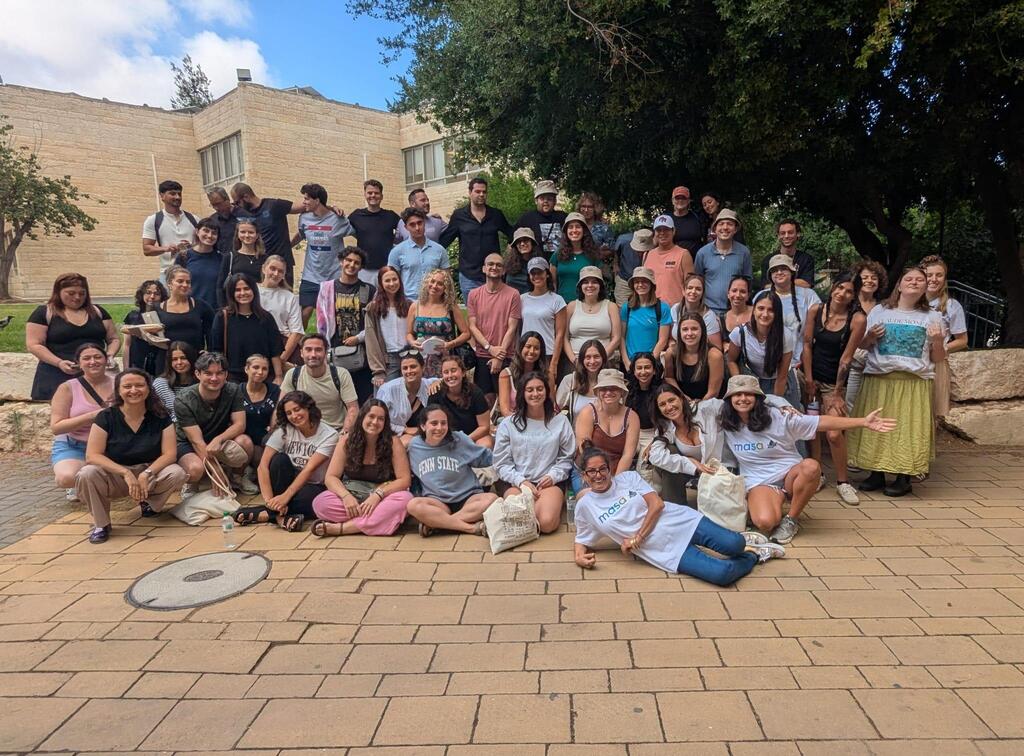
The new Masa Israel Teaching Fellows who will teach English in Israeli schools this year
(Photo: Masa)
An English gap can therefore become an opportunity gap.
The State Comptroller has documented significant differences in English achievement between students from different socioeconomic backgrounds and sectors of Israeli society. The report also found that most candidates for higher education who had completed four- or five-unit English matriculation still did not reach the exemption level in English placement examinations. At the same time, Israel continues to face both a quantitative and qualitative shortage of English teachers.
This challenge exists within a wider staffing crisis. As of the end of July, Israel’s education system was reportedly short 3,000 teachers and an additional 200 kindergarten teachers. The shortages are concentrated in particular subjects and regions, but their effects are felt far beyond unfilled positions. They can mean larger classes, less individual attention and educators being asked to teach outside their areas of expertise.
There is no shortcut around the need to recruit, train and retain excellent Israeli teachers. The work led by the Ministry of Education to strengthen the profession must remain at the center of any serious education policy.
At the same time, effective education is inherently collaborative. This is especially true in language learning, where conversation practice, small-group work and individual attention can complement formal classroom instruction. That principle lies at the heart of Masa Israel Teaching Fellows (MITF), a partnership between Masa Israel Journey, the Prime Minister's Office (PMO), the Ministry of Education and The Jewish Agency for Israel (JAFI). By working alongside local educators under professional guidance, fellows help expand the learning opportunities available to students while reinforcing the work already taking place in Israeli classrooms.
MITF puts this collaborative approach into practice by keeping the qualified teacher at the center while adding targeted support shaped by the needs of each school. With clearly defined roles, professional supervision and close coordination with local educators, fellows can broaden the reach of classroom instruction while preserving the expertise and continuity that teachers provide.
As the 2026–27 academic year gets underway, a new cohort of dozens of English-speaking college graduates from the United States, Canada, the United Kingdom, Australia and South Africa has begun working alongside Israeli teachers for up to 25 hours each week. Additional fellows are expected to join during the second semester. Together, they will serve in communities including Jerusalem, Bat Yam, Rishon LeZion, Netanya and Beit She’an.
They are not substitutes for certified Israeli educators, and their contribution should never be presented that way. Their value lies in expanding what becomes possible around the teacher: dividing students into smaller groups, providing more opportunities for conversation and allowing children to receive attention that is difficult to provide in a full classroom.
This is particularly important in language education. Digital tools can translate a sentence instantly, and artificial intelligence can generate an English essay in seconds. But technology cannot replace the process through which a child learns to express an idea aloud, sees that someone understands and gains the courage to continue.
Language is learned through use. It requires conversation, patience, correction and repetition. Above all, it requires another person with the time to listen.
Programs of this kind must be implemented carefully. Fellows need preparation, professional guidance and clear coordination with school leadership and local teaching staff. Their impact should be evaluated according to educational goals rather than good intentions alone. When those conditions are met, additional adults in the learning environment can strengthen both students and the teachers responsible for them.
This approach should inform a broader national discussion. Israel’s teacher shortage will not be solved by one recruitment campaign or one fellowship. Alongside the essential work of expanding the teaching profession, we should build stronger support systems around educators and make more strategic use of people who can contribute specific skills under their direction.
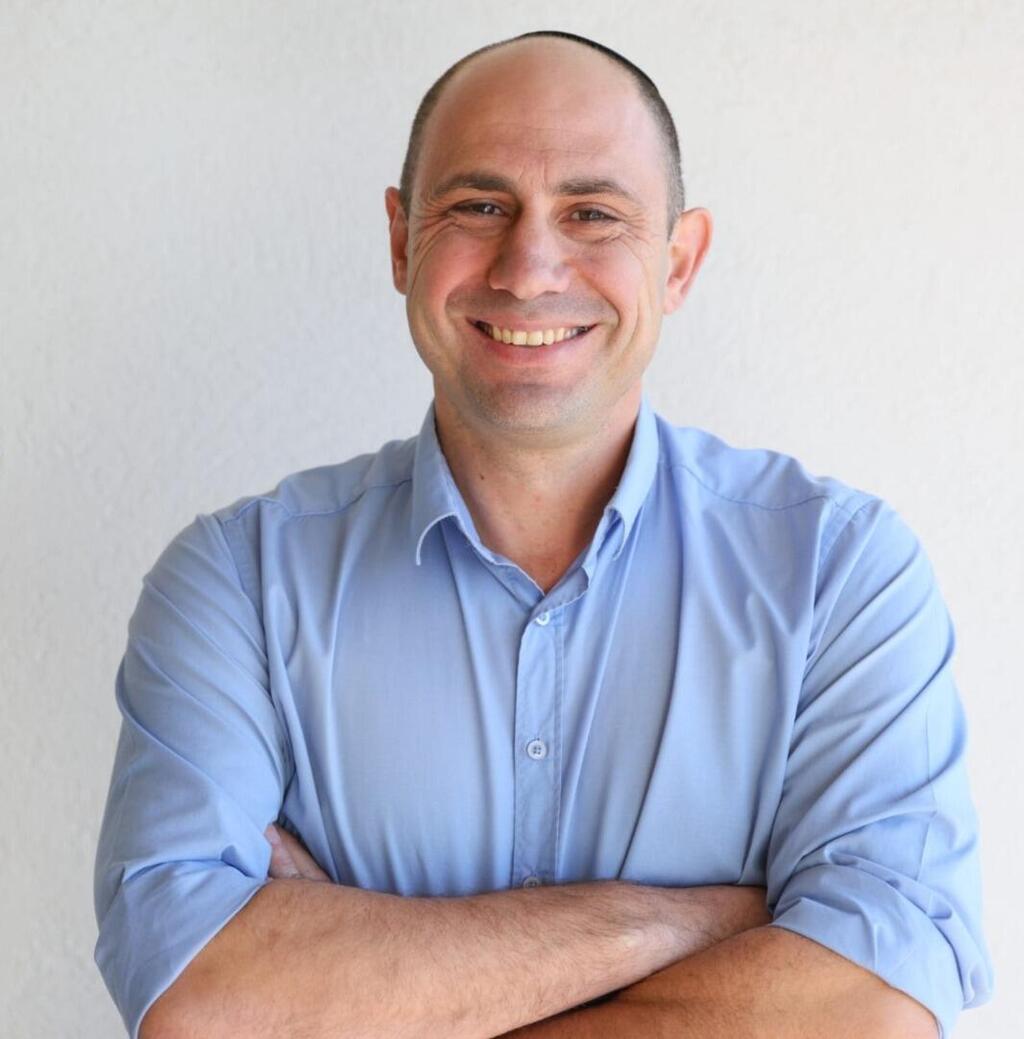
Meir Holtz, CEO of Masa Israel Journey
(Photo: Masa)
The question is not simply how to place an adult in every classroom. It is how to give every teacher the professional support required to teach well, and every student a genuine chance to succeed.
The English gap cannot be closed through grammar exercises, technology or matriculation targets alone. It will close when more students are given regular opportunities to speak, practice and be heard.
With the school year now underway, the first cohort of Masa Israel Teaching Fellows has become part of that effort, with dozens more expected to join during the second semester. The most meaningful measure of their success will not be how many English words they teach, but how many students who began the year afraid to use those words find the confidence to speak.
- Meir Holtz is the CEO of Masa Israel Journey, founded by the Government of Israel and The Jewish Agency for Israel.