

The resilience of Israel’s high-tech sector has already been proven; now comes the next test - can the local ecosystem evolve from a global engine of innovation into a foundation for technological independence?
The latest round of conflict once again highlighted the remarkable adaptability of Israel’s technology ecosystem. Companies continued to operate despite widespread reserve duty call-ups, supply chain disruptions, and ongoing security uncertainty. Development centers remained active even during air-raid sirens, investors continued discussions, and startups found ways to maintain nearly full business activity.
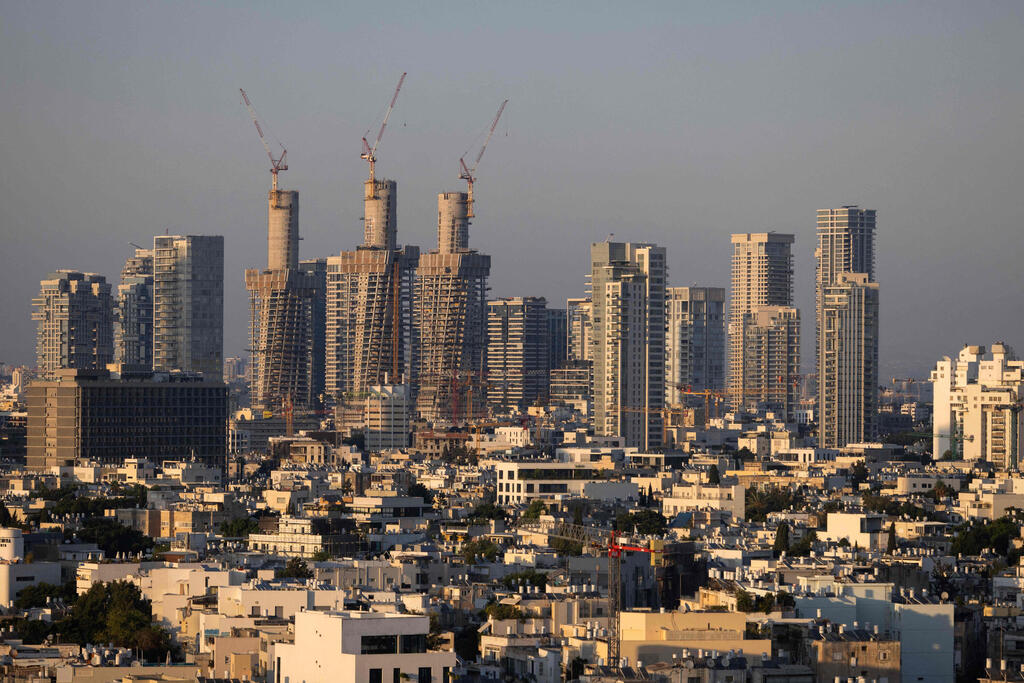
Tel Aviv
(Photo: Oren ZIV / AFP)
This ability to function under pressure has become a defining feature of the Israeli tech industry. Over the past two years of conflict across multiple fronts, the sector has repeatedly demonstrated its capacity to withstand both economic and security shocks.
Yet the next challenge facing Israeli high-tech is no longer simply resilience.
Recent geopolitical tensions have exposed structural vulnerabilities that extend beyond the technology sector itself. Much of Israel’s innovation ecosystem still depends on infrastructure, supply chains, and technologies developed abroad.
Israel leads the world in areas such as cybersecurity, artificial intelligence, and advanced algorithms. But when it comes to the underlying infrastructure - semiconductors, cloud systems, advanced manufacturing capabilities, and specialized equipment - the country remains heavily reliant on external providers.
This creates a paradox: Israel is widely recognized as a global innovation powerhouse, yet it lacks full technological independence.
The next stage for Israeli high-tech will therefore involve more than simply returning to growth. It will require strengthening domestic capabilities in critical technological areas - not through isolation, but through strategic investment.
 Moran ChamsiPhoto: Merav Ben Loulou
One priority is expanding computing infrastructure and locally based data centers, ensuring that Israeli companies can continue operating even if global digital systems become subject to geopolitical pressure. Another is strengthening technological manufacturing capabilities, including semiconductors, advanced materials, and deep-tech production - fields where Israel excels in research and development but less so in large-scale manufacturing.
We may also see deeper collaboration between Israel’s defense establishment and civilian innovation, a dynamic that has historically produced some of the country’s most important technological breakthroughs. Fields such as cybersecurity, intelligence technologies, and advanced communications all emerged from national security needs before becoming major civilian industries.
The current geopolitical environment may similarly accelerate investment in new sectors - from advanced defense technologies and resilient digital infrastructure to energy systems, space technologies, and satellite communications.
The shift from resilience to technological independence reflects a broader strategic evolution. Israeli high-tech has repeatedly proven that it can survive crises. The next phase is about building the capabilities that will allow it to lead in a world where technology plays an increasingly central role in national security and economic sovereignty.
In that world, technological independence is not simply an industrial objective - it is a key pillar of national resilience.
- Moran Chamsi is a managing partner at Amplefields Investments.