

The possibility of regime collapse in the Islamic Republic of Iran following the Iran-Israel-U.S. war is best understood not through battlefield dynamics or protest intensity alone, but through the stability of the ruling elite coalition. Authoritarian regimes rarely fall simply because they are challenged from below; rather, they collapse when internal coordination among elites breaks down.
External military pressure can act as a catalyst. However, its decisive effect depends on whether it alters the expectations and incentives of key regime insiders, most notably the Islamic Revolutionary Guard Corps (IRGC), clerical institutions and regime-linked economic actors.
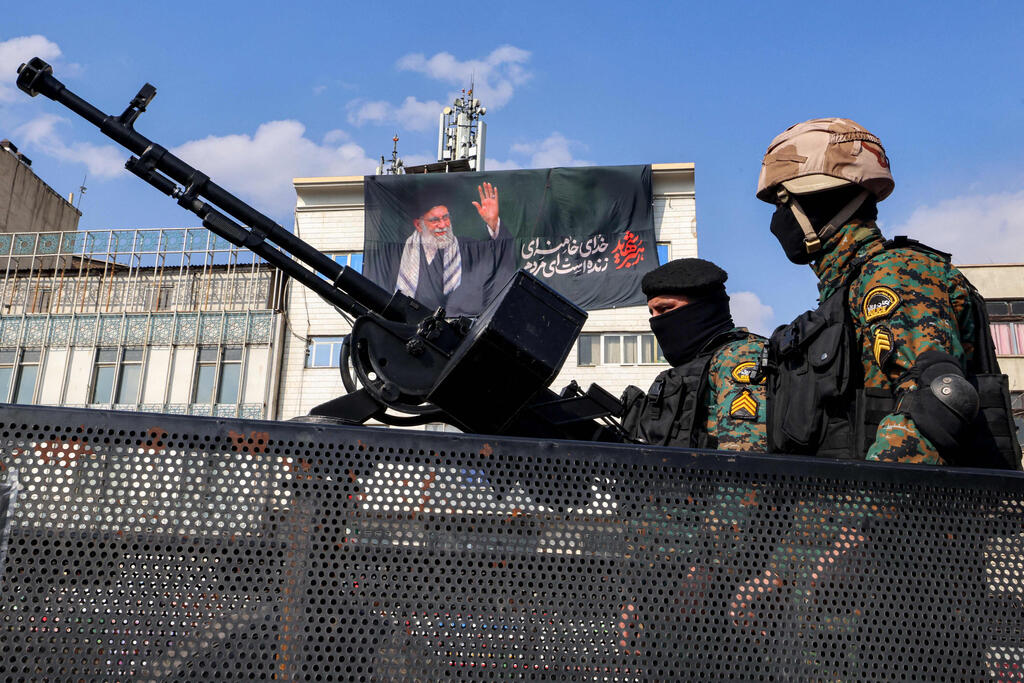
A major external military operation would likely generate a powerful informational shock by signaling vulnerability in Iran’s deterrence posture and exposing potential weaknesses in the regime’s security architecture. Such a shock could trigger domestic unrest, particularly amid ongoing economic hardship and social dissatisfaction.
However, comparative evidence suggests that informational shocks alone rarely produce regime collapse. The experience of the Arab uprisings demonstrates that even large-scale protests do not necessarily destabilize authoritarian regimes unless they reshape elite calculations.
In Iran, an external attack could initially produce a rally-around-the-flag effect, strengthen national cohesion and temporarily reinforce regime legitimacy. These dynamic parallels the early stages of the Syrian uprising (2011-2012), during which widespread protests revealed the regime's vulnerability but did not immediately fracture elite unity.
Incentive shock: the threshold of regime breakdown
The decisive variable is whether the informational shock evolves into an incentive shock, namely, a shift in elite perceptions regarding the regime’s ability to ensure protection, distribute resources and maintain coordination. Regime collapse becomes plausible only when elites begin to doubt that continued loyalty is their safest strategy.
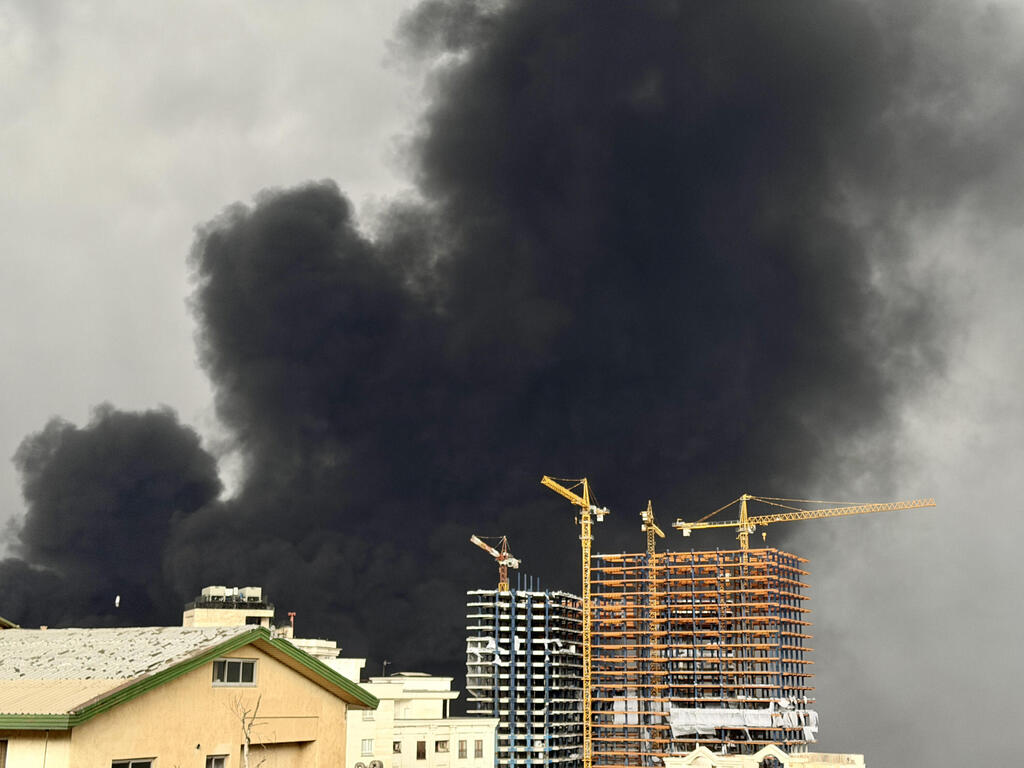
Israeli strikes on oil depots in Tehran, March 8, 2026
(Photo: Majid Saeedi/Getty Images)
Three pathways could drive such a transformation. First, coercive fragmentation may occur if military losses or internal disagreements weaken cohesion within the IRGC or between the IRGC and the regular army, thereby undermining enforcement capacity. Second, sustained conflict could produce a fiscal crisis severe enough to erode patronage networks, making loyalty increasingly costly and uncertain. Third, the erosion of Iran's regional influence, particularly through the degradation of proxy networks or reduced external backing from partners such as Russia or China, could alter elite expectations about the regime's long-term viability. Only if these dynamics converge would an incentive shock become sufficiently strong to trigger a cascade of elite defections.
In Tunisia and Egypt in 2011, regime collapse followed the withdrawal of support by key coercive institutions. Military elites signaled unwillingness to repress protest movements, effectively removing the incumbent leadership.
Applying this model to Iran would require the IRGC to refuse large-scale repression or withdraw its support from the supreme leader. This scenario appears unlikely, given the IRGC’s deep ideological commitment and extensive economic entrenchment within the regime, which significantly raises the costs of defection.
The 2003 Iraq case illustrates how external intervention can rapidly dismantle a regime when coercive structures are destroyed. For Iran, however, such an outcome would require not only targeted strikes but the systematic collapse of command-and-control systems, an operational challenge given the country’s size, institutional complexity and layered security apparatus.
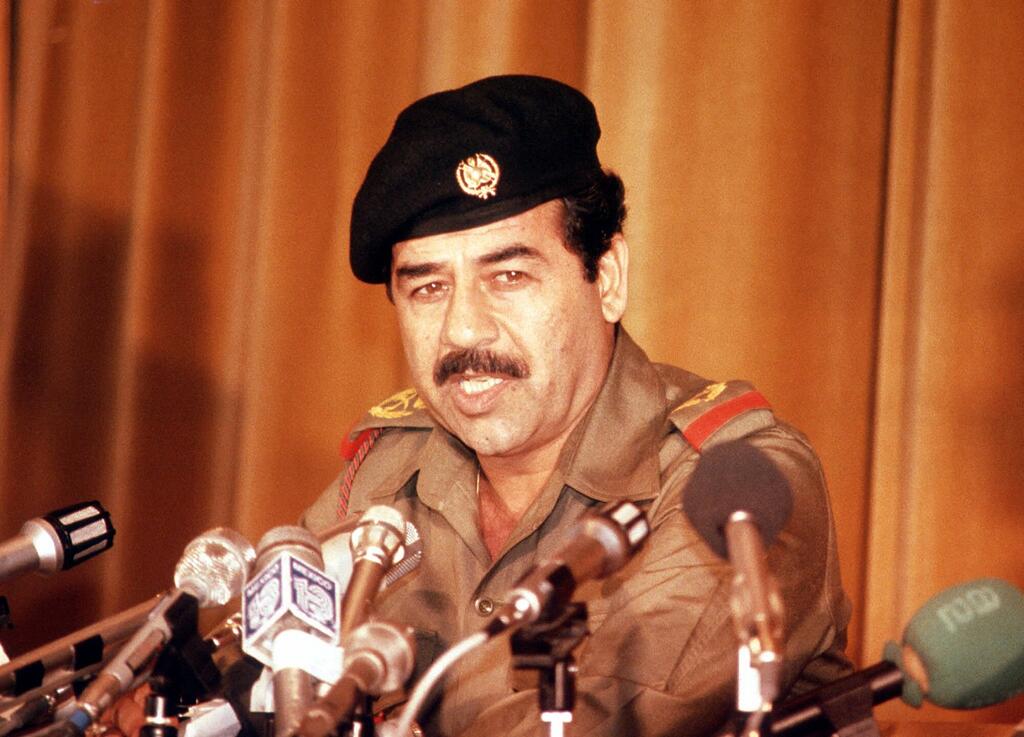
Former Iraqi dictator Saddam Hussein
(Photo: AP)
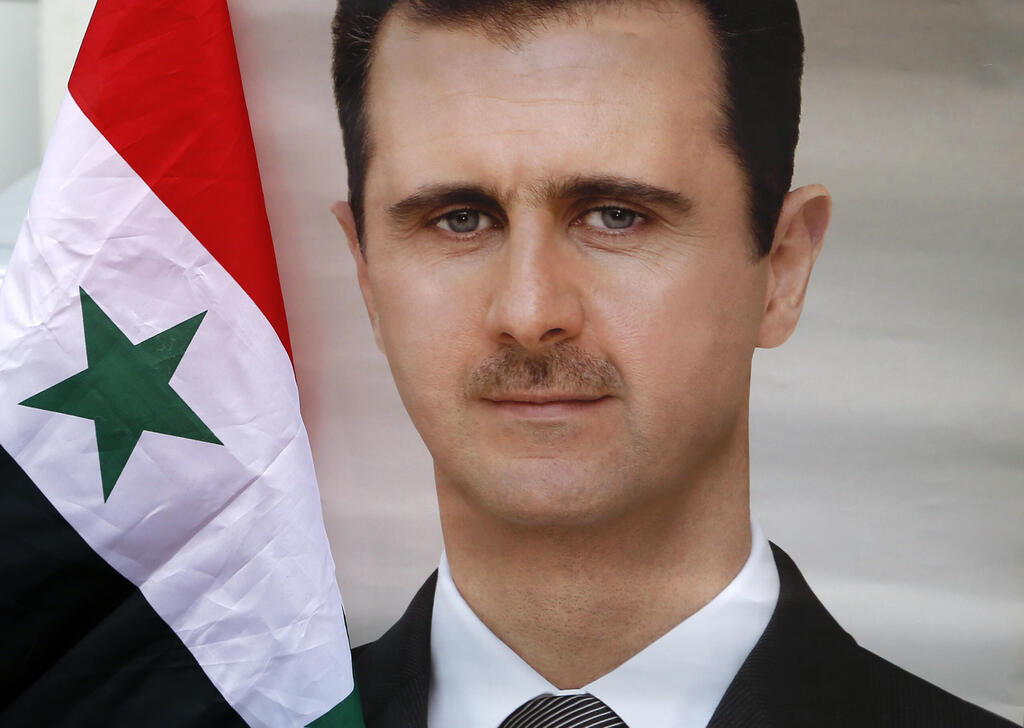
Former Syrian dictator Bashar Assad
(Photo: AP Photo/Darko Vojinovic)
By contrast, Syria demonstrates the resilience of regimes with cohesive coercive institutions and external support. Despite prolonged conflict and severe internal strain, the Syrian regime survived as long as elite cohesion remained intact.
Iran shares several of these characteristics, including a robust security apparatus, ideological cohesion and regional networks, suggesting a high degree of short- to medium-term resilience.
The Gulf monarchies, particularly Bahrain during the 2011 uprisings, illustrate how external intervention can reinforce regime stability by strengthening elite expectations of survival. Iran lacks a comparable external patron capable of direct military intervention on its behalf. Nonetheless, indirect support from major powers such as Russia or China, through economic or diplomatic channels, could mitigate elite uncertainty and contribute to regime durability.
Several structural characteristics distinguish Iran from many Arab Spring cases and contribute to its resilience. The regime’s dual institutional structure, combining clerical authority with a powerful military-security apparatus, creates overlapping and mutually reinforcing elite networks. Ideological cohesion among core elites further reduces the likelihood of rapid defection.
In addition, Iran possesses an extensive coercive apparatus, including the IRGC and Basij, which enhances enforcement credibility. Its economy, while constrained by sanctions, has adapted to prolonged crisis conditions, enabling the regime to sustain core functions under pressure. These features collectively raise the threshold at which informational shocks translate into incentive shocks.
Likely outcomes: conditional resilience
A coalition-centered analysis suggests that the most probable outcome in Iran is regime survival in the short term, even under significant pressure. Informational shocks alone are insufficient to produce collapse; what matters is whether elites revise their expectations about the regime’s future viability.
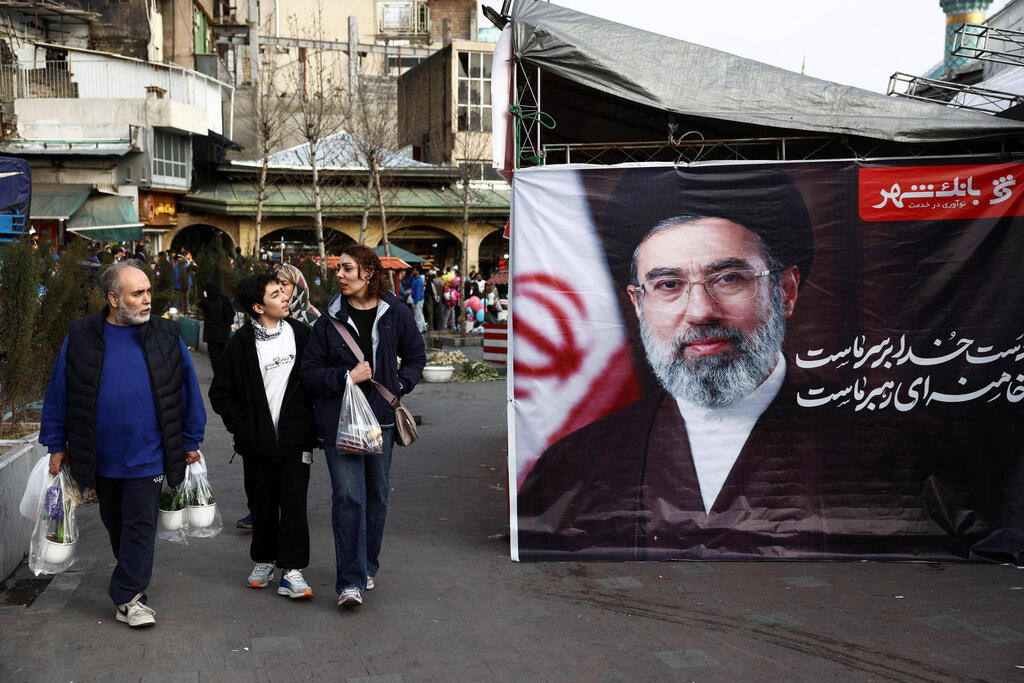
Poster of Iranian Supreme Leader Mojtaba Khamenei displaced in a bazaar in Tehran
(Photo: Majid Asgaripour/WANA (West Asia News Agency) via REUTERS)
Three scenarios can be identified. The most likely scenario is a resilience scenario in which IRGC cohesion remains intact, repression capacity is maintained and elite defection is limited, resulting in regime survival along patterns observed in Syria or the Gulf.
A second, intermediate scenario involves a contained crisis marked by economic strain and limited elite fragmentation, producing prolonged instability without collapse.
The least likely scenario is full regime collapse, which would require severe coercive fragmentation, a loss of enforcement coordination and a cascade of elite defections similar to those in Tunisia, Egypt or Iraq.
The fate of the Iranian regime in 2026 will not be determined primarily by military outcomes or the scale of domestic protest, but by the evolution of elite beliefs and coordination. External war can generate powerful informational shocks, yet regime collapse requires a deeper transformation, one in which elites come to doubt that continued loyalty ensures their survival.
Comparative evidence suggests that authoritarian regimes fall only when this shift occurs within core coercive institutions. Absent such a transformation, the Iranian regime is likely to endure, even under sustained external pressure.
- The writer is a senior lecturer in the Department of Politics and Governance and the Multidisciplinary Studies in Social Science division at Ashkelon Academic College and a research fellow at the Asian Studies Department, University of Haifa, specializing in Chinese foreign and strategic relations.