

Israel and the United States entered the latest war with Iran speaking about very specific goals: destroying Tehran’s nuclear threat, crippling its ballistic missile capabilities and, at least in some rhetoric, weakening or even toppling the regime.
Those objectives remain unresolved. Iran’s uranium has not disappeared, reports suggest its missile arsenal is being rebuilt and the regime appears, if anything, to have tightened its grip.
Gallery
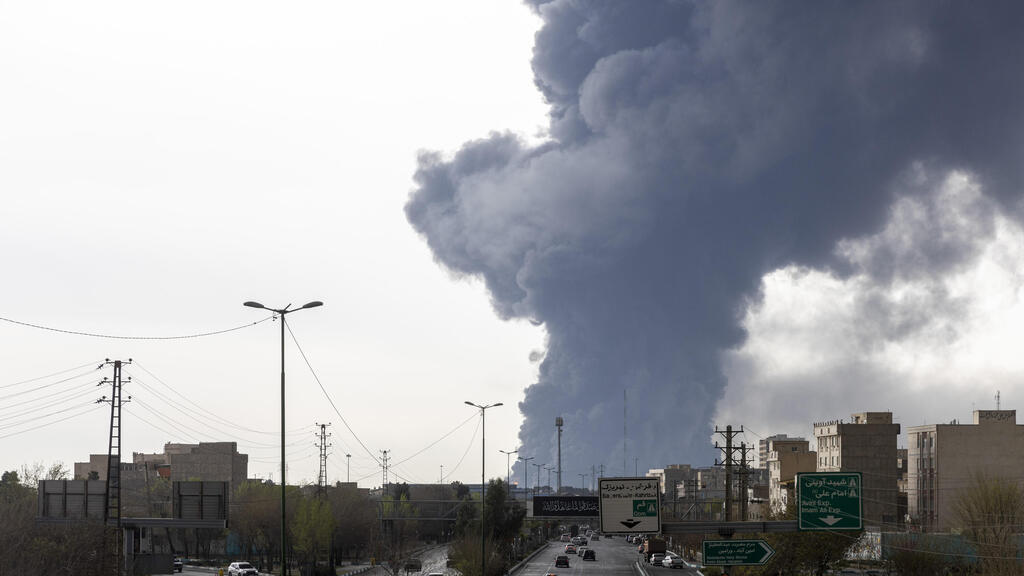
Smoke rises from oil facilities in Tehran after IDF strikes
(Photo: Majid Saeedi/Getty Images)
But the war may have produced another consequence that could ultimately prove far more significant: it accelerated the global shift away from oil and gas.
Pressed into a corner, Iran used one of its strongest remaining weapons and closed the Strait of Hormuz. Oil prices surged, and for many countries, particularly in Asia, the crisis became more than a question of cost. It became a question of whether enough fuel would be available at all.
More than 70% of the world’s population lives in countries considered net importers of oil and gas. For them, the war exposed once again how vulnerable economies remain when their energy supplies depend on distant producers, shipping lanes and geopolitical stability.
The result has been a noticeable acceleration in policies that were already moving toward renewable energy.
In the Philippines, plans for new solar capacity were doubled following the energy crisis, with the country aiming for renewable sources to provide half of its energy by 2040.
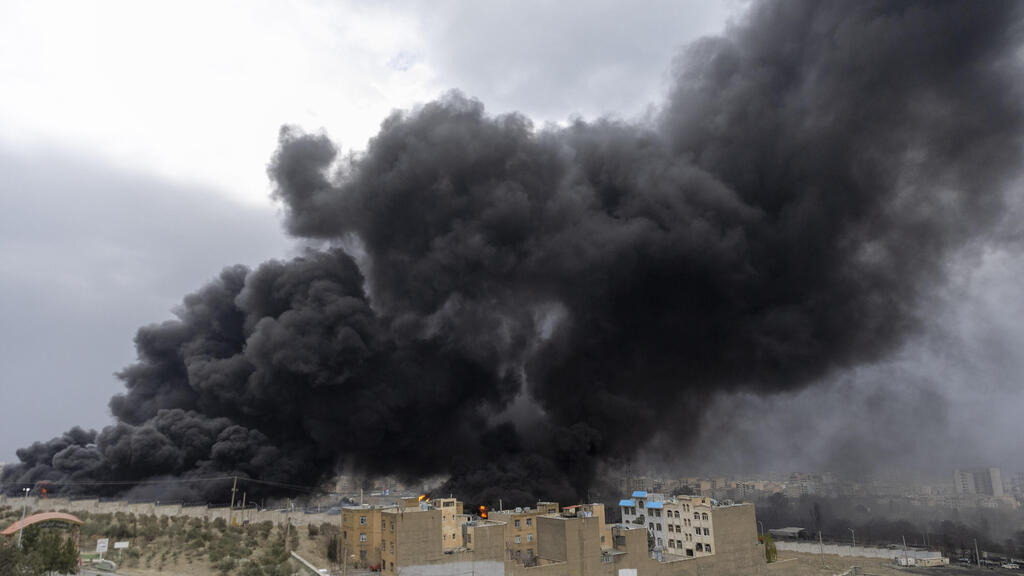
(Photo: Majid Saeedi/Getty Images)
Ethiopia has gone even further, banning the import and sale of new gasoline-powered vehicles. Electric car sales have risen sharply, and fully electric vehicles now account for about 6% of the market.
Ghana and Nigeria have also announced ambitious plans to cut fuel consumption sharply in the coming years. In Vietnam, electric vehicle sales in some months have risen by more than 120% compared with prewar levels, with EVs now representing roughly 40% of new car sales.
Chinese manufacturers are among the biggest beneficiaries. They dominate much of the global electric vehicle industry and are also major suppliers of solar panels, putting them in a strong position to profit from countries trying to reduce their dependence on imported fossil fuels.
Europe, meanwhile, is experiencing its second major energy shock since Russia’s invasion of Ukraine.
The latest crisis has not produced price swings on the scale seen in 2022, but it has further damaged confidence in the reliability of oil and gas supplies. The European Union has responded with a multiyear energy plan that includes measures to make domestically produced power easier to sell and provides substantial tax incentives.
France has gone further, setting targets to phase out oil, coal and gas and move toward complete reliance on renewable energy by 2050.
The irony is difficult to miss.
When Donald Trump returned to the White House, his administration moved to reverse much of the previous US push away from fossil fuels, canceling incentives and large-scale investments while reducing the role of environmental regulators. Climate scientists and environmental organizations warned that the moves would undermine efforts to confront global warming.
A little more than a year later, the war involving Israel, the United States and Iran has created the kind of energy shock that may be doing the opposite: pushing countries to abandon polluting fuels faster.
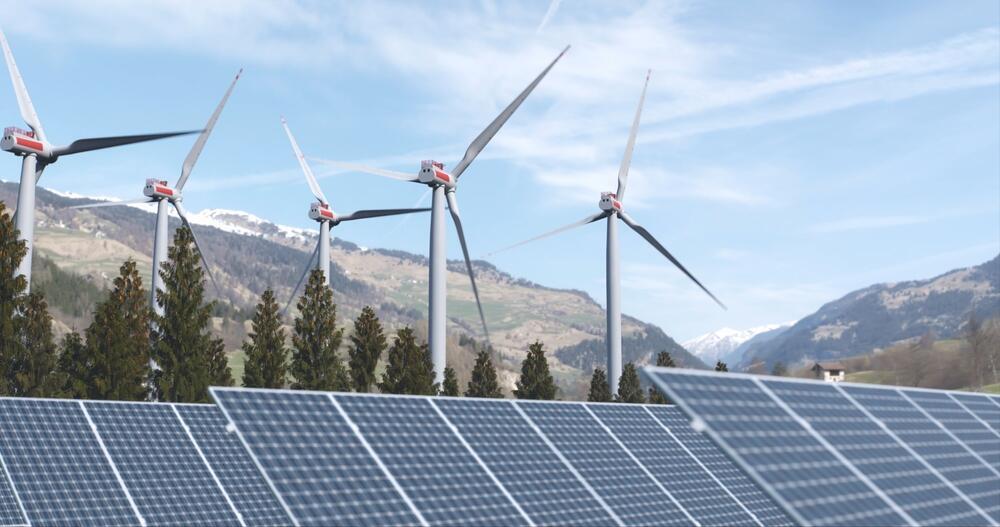
Renewable energy
(Photo: Aliaksei Kaponia/Shutterstock)
And Israel?
A country with abundant sunshine and a relatively small territory should, in theory, be well positioned to become a leader in solar power and electric transportation.
Instead, fewer than 5% of Israeli vehicles are fully electric, while solar energy accounts for only about 7% of national energy consumption.
There are several reasons. Incentives for electric vehicles have been inconsistent or withdrawn altogether, while solar projects have faced years of bureaucracy. Israel’s geography also complicates development, with roughly a third of the country designated for military use, much of it in the south.
There are also powerful economic interests tied to natural gas and existing infrastructure that have little incentive to accelerate the transition.
Israeli companies in renewable infrastructure may benefit from the global rush toward electrification, but the country itself is far from realizing its potential as a leader in the energy transition.
The war against climate change is one no country can afford to lose.
Without a major shift in US policy, the global transformation needed to reduce greenhouse gas emissions will remain difficult. But after the pandemic and Russia’s invasion of Ukraine, the Iran war has delivered another powerful blow to confidence in fossil fuels.
It was not a fatal blow. But it may ultimately prove more effective than the one delivered to Iran.
The writer holds a doctorate in physical geography