

The threats facing Israeli citizens and Jewish communities around the world are growing, particularly against the backdrop of the security and diplomatic reality created by Israel's prolonged wars in Gaza, Lebanon and Iran. Recent events, above all the attempted attack on Flight 1073 from Dubai to Israel, demonstrate just how complicated international travel has become for Israelis and why a fundamental reassessment of their security is urgently needed.
The danger is not new. On November 28, 2002, terrorists carried out a coordinated attack against two Israeli-linked targets in Mombasa, Kenya. That morning, suicide bombers attacked the Paradise Hotel, north of Mombasa, a destination particularly popular with Israeli tourists. The terrorists drove a vehicle packed with explosives into the compound and detonated it near the lobby, killing 16 people, including three Israelis.
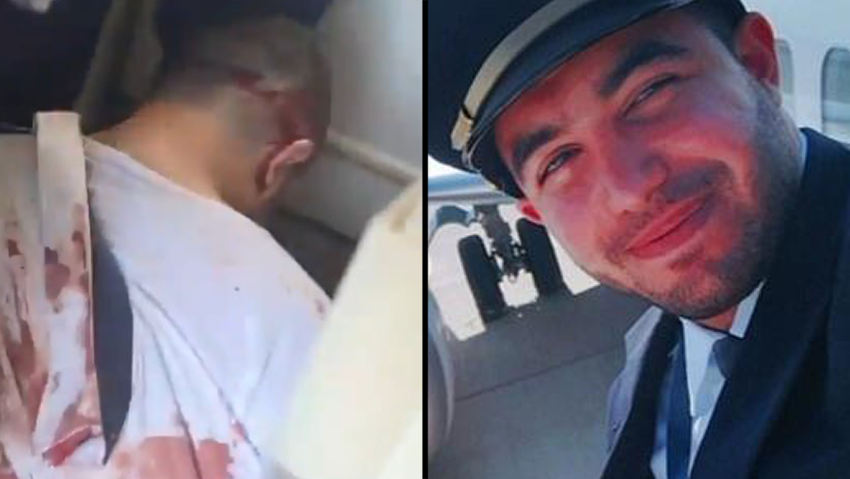
From Mombasa to Flydubai: Why Israelis abroad face growing danger
Almost simultaneously, another attack was unfolding nearby. Two shoulder-fired anti-aircraft missiles were launched at an Arkia Boeing 757 shortly after it took off from Mombasa for Tel Aviv, carrying hundreds of passengers and crew members. Both missiles missed, and the aircraft continued safely to Israel.
The attacks were subsequently attributed to al-Qaeda, which also claimed responsibility in statements issued afterward.
I was part of the Israeli assistance and intelligence team dispatched to the scene just hours after the attacks. I still remember the chaos and the helplessness of the local authorities and organizations struggling to respond.
A decade later, on July 18, 2012, at approximately 5:30 p.m., a Hezbollah suicide bomber detonated an explosive device aboard a bus in the parking lot of Burgas Airport in Bulgaria.
The attack targeted a group of 42 Israelis who had arrived on a flight from Tel Aviv and were waiting to be transported to their hotels. Six people were killed and around 30 were injured.
Eight years later, two Hezbollah terrorists who had assisted the suicide bomber were sentenced to life imprisonment in Bulgaria.
Flight 1073 should be a wake-up call
The attempted attack on Flight 1073, which raised fears of what could have become the deadliest aviation terror attack against Israelis, was thwarted thanks to the resourcefulness, composure and courage of Israelis aboard the aircraft.
But beyond the apparent security failure, the incident must serve as a clear warning to Israel's security establishment and the agencies responsible for protecting Israeli citizens overseas.
It demands a thorough examination of security protocols, operating procedures and early-warning systems, alongside a broader reassessment of the threats Israelis face beyond the country's borders.
Although the incident exposed a potential vulnerability in commercial aviation, our concerns cannot stop there. Cruise ships, organized tours and numerous other settings in which Israelis gather could also become targets.
After years of fighting on several fronts, accompanied by the elimination of numerous senior terrorist leaders, the desire to retaliate against Israel and its citizens could reach particularly dangerous levels.
Terrorist organizations and extremist actors may increasingly view Israeli civilians abroad and Jewish communities as attractive targets, partly because they are relatively accessible and cannot be protected continuously.
These concerns are compounded by the expansion of anti-Israel and antisemitic movements across parts of Europe, Africa and Asia, as well as the release of approximately 1,900 Hamas prisoners under agreements securing the return of hostages abducted on October 7.
Taken together, these developments require constant intelligence monitoring and security assessments that account for the differences between countries, organizations and levels of threat.
The growing danger of incitement
One of the most troubling developments is the rise in inflammatory and anti-Israel rhetoric in public and political discourse.
Statements by leaders, politicians and influencers, together with material circulating on social media, can contribute to an increasingly hostile atmosphere toward Israelis and Jews.
In some cases, online incitement may encourage individuals or groups to translate extremist views into acts of violence.
At the same time, reports of rising antisemitic incidents and hate crimes against Jewish communities worldwide are deeply concerning and underscore the need for a coordinated response.
Civilian organizations involved in Israeli public diplomacy are struggling to confront the scale of this phenomenon on their own. Their efforts, important as they are, cannot substitute for a comprehensive national security strategy.
Israel needs an integrated approach built around close cooperation between the Mossad, the Foreign Ministry, the Jewish Agency and other security and intelligence organizations.
 Col. (res.) Doron Hadar
Such a strategy should monitor emerging trends and threats, identify countries and regions where security risks are particularly acute, develop effective early-warning mechanisms and establish clear guidance for Israeli citizens traveling or living abroad.
The goal must be to move from responding to incidents after they occur to anticipating threats and taking preventive action wherever possible.
Israelis abroad must also take responsibility
Alongside the state's responsibility, the Israeli public has an important role in reducing the risks.
Israelis traveling overseas need to remain vigilant, familiarize themselves with the security situation at their destinations, avoid unnecessary exposure in sensitive locations and follow the instructions of the relevant authorities.
This does not mean Israelis should stop traveling or live in constant fear. It means recognizing that the security environment has changed and adapting accordingly.
The emerging reality demands a fundamental shift in how Israel approaches the protection of its citizens abroad.
We cannot continue relying on luck, quick thinking in a moment of crisis or miracles from heaven.
Advance preparation, cooperation between agencies, public awareness and effective warning systems could make the difference between an attack that is prevented and a catastrophe.
Protecting Israelis overseas must become a continuous national mission, one that evolves alongside the threats and recognizes that the country's responsibility for its citizens does not end at its borders.
Col. (res.) Doron Hadar is a former commander of the Crisis Management and Negotiation Unit and a founding partner of Critical Impact.