

Zionism was once led by visionaries who wrestled with history and shaped the future through their ideas. Today, leadership is handed to those with checkbooks or Instagram followings, while our institutions prioritize optics over strategy. If Herzl could see us now, he’d recognize the idiocracy he warned against.
We have reached a tragic inversion: Zionism, once the movement of thinkers, prophets and statesmen, is now curated like an Instagram feed. The Jewish people have traded thought leaders for influencers, Zionist ideas for hashtags.
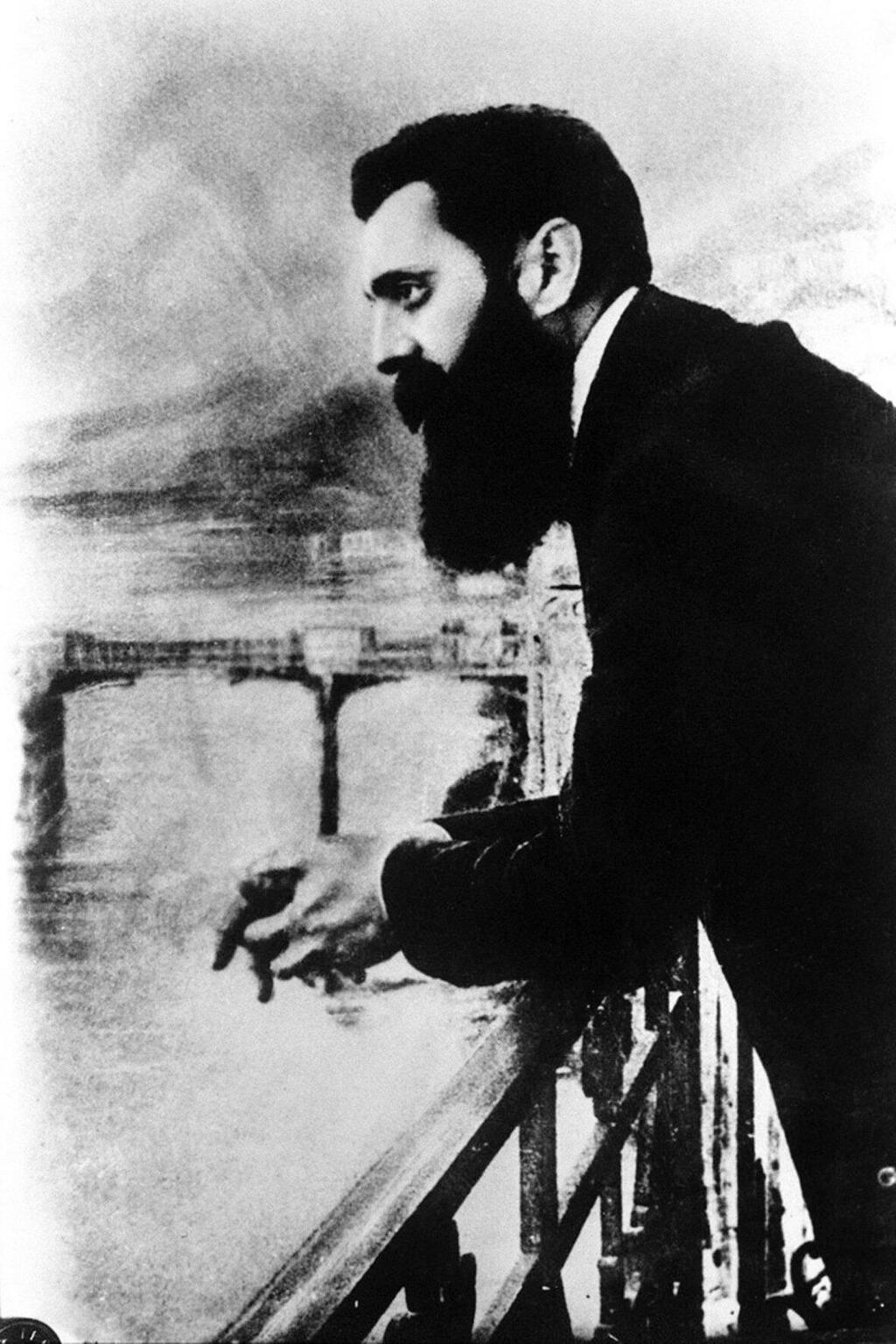
To lead once meant shouldering the burden of history, risking unpopularity for truth and standing with a vision so uncompromising that it could bend the arc of destiny. Now leadership is awarded not for vision, but for visibility. The litmus test is simple: how many zeros in your bank account, how many digits after “followers.” Write a check or post a reel, and suddenly you are an authority.
Money and clout—these alone now pass for leadership. The result is a theater of idiocracy: a stage of hashtags, gala dinners and curated selfies. This is not leadership. It is a parody. It is Zionism stripped of substance and reduced to optics. Herzl warned us. In his writings and diaries, he made it clear: Zionism must be led by the educated, the disciplined, those guided by purpose—not vanity. He knew that glory-seekers and opportunists would corrode the movement from within. And yet, a century later, Herzl’s nightmare has come to pass. Our institutions have abandoned the hard, dangerous work of generating ideas. Instead, they reward those who can perform them.
Look around. The Jewish world confuses activism with activity, optics with outcomes. A free trip, a slick video, a post with the right hashtag—all elevated as “impact.” Meanwhile, the questions that should define us go unasked: How do we ensure Jewish continuity in the Diaspora? How do we confront assimilation honestly? How do we wield sovereignty with moral clarity? Who among today’s so-called leaders has written a blueprint for the next fifty years of Jewish life? Where is the plan?
The institutions are complicit. They no longer build; they brand. They no longer strategize; they sponsor. They produce content, not conviction. They purchase applause, not allegiance. Instead of training thinkers, they fund performers. Instead of building structures, they create photo-ops. Instead of plans, they release press statements. And the result is leadership that delivers nothing but noise.
It is worth remembering how deeply Zionism was once rooted in ideas. Herzl imagined a state into existence with a pamphlet. Ahad Ha’am wrestled with the cultural destiny of the Jewish people. Jabotinsky demanded a muscular Judaism of pride and defense. Ben Gurion built institutions that could outlast him. These were not men of optics; they were men of substance. They argued. They risked ridicule. They fought bitter ideological battles. And they left behind permanence.
Where are such leaders today? Who is interrogating Jewish identity? Who is sketching the outline of a Jewish future? Who is demanding strength and pride? Who is building not campaigns but civilizations? The answer is bleak: our model cannot produce them. It is designed only to produce what it rewards—fundraisers and followers.

(Photo: Shutterstock)
The consequences are dire. Without visionaries, we drift. Without a strategy, we stagnate. Without leaders who can think as well as act, our institutions become museums—curating the past instead of creating the future. And in the vacuum left by ideas, the shallowest voices rise to the top. The gala stage and the Instagram feed together form the theater where today’s leaders perform. The audience applauds. Donors write checks. Likes roll in. But nothing changes.
The Bible warned us long before Herzl. When the Israelites demanded a king, they chose Saul because he “stood head and shoulders above the rest.” He looked the part. He had stature, optics and charisma. But he lacked the moral depth to lead, and the people suffered. We are making the same mistake now: elevating those who look the part, who can fill a room or a feed, but who cannot carry the weight of destiny. The Jewish people deserve better. We deserve leaders willing to risk unpopularity for the sake of truth. Leaders who will ask uncomfortable questions of their own institutions. Leaders who generate not content but conviction. We deserve plans, not hashtags. Strategies, not slogans. Authentic leaders who ask hard questions about sovereignty, language, security and identity—not those chasing clout or chasing glory.
Because Zionism was never meant to be aesthetic, it was never meant to be a brand campaign. Zionism was meant to be a rebellion: against exile, against despair, against weakness. It was meant to forge a new Jew, unafraid of history, unafraid of power, unafraid of responsibility. Zionism birthed the State of Israel. That Zionism carried us from powerlessness to sovereignty. And that Zionism must be reclaimed. Until we do, hashtags will masquerade as history. Fundraisers will be mistaken for philosophers. Influencers will be mistaken for leaders. And the people—those who crave something deeper, something real—will keep waiting for a movement that never arrives.
We are in a battle now for the soul of Zionist leadership. Do we continue to let idiocracy define us, elevating those who can buy or broadcast their way to the stage? Or do we return to Herzl’s standard: leadership rooted in ideas, responsibility and vision? The answer will shape not just the next fundraising cycle or newsfeed, but the next century of Jewish history.
The time for polite avoidance is over. The Jewish future cannot be built on clout. It cannot be bought with a checkbook. It cannot be performed on Instagram. It must be imagined, argued, fought for and lived with sacrifice. We must burn down the idiocracy of influencers and funders, and rebuild a Zionism of thinkers, builders and believers.
If we fail, we will have movements without ideas, followers without leaders, and history without direction. But if we succeed—if we reject vanity and recover vision—then we will once again deserve to call ourselves heirs of Herzl.
- Adam Scott Bellos is the founder of The Israel Innovation Fund (TIIF) and the author of Never Again Is Not Enough: Why Hebraization Is the Only Way to Save the Diaspora.