


The fatal ambush Monday night in Beit Hanoun, which claimed the lives of five IDF soldiers and wounded 14 others, was a textbook example of Hamas guerrilla warfare. Despite months of losses and setbacks, Hamas continues to track IDF operational patterns closely—and exploit them with lethal precision.
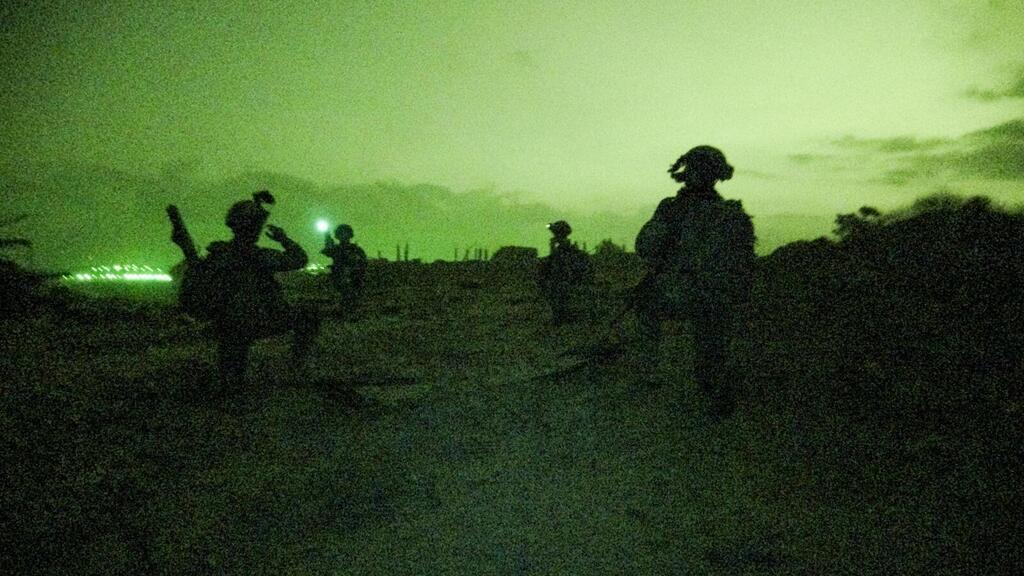
According to the initial investigation, around 10:00 p.m., a foot patrol from the ultra-Orthodox Netzah Yehuda Battalion entered a route previously cleared by tanks and engineering units. At some point, a powerful explosive device was detonated, and as IDF troops moved in to evacuate the wounded, they came under highly accurate fire. The ambush—planned, observed, and executed in close quarters—reflected a clear ability by Hamas to conduct reconnaissance, exploit underground infrastructure, and engage directly in short-range combat.
Beit Hanoun, situated along the northern Gaza border, has now seen at least three IDF operations over the past 21 months. Still, the area remains a stronghold of militant activity, largely due to the vast subterranean network Hamas has built beneath it—a so-called “underground city” that has persisted despite repeated military efforts.
This underground system has been known since the 2014 war. It was from one of these tunnels that a Hamas cell launched the deadly attack that killed Lt. Col. Dolev Keidar, Second Lt. Yuval Heiman, Master Sgt. Kshaun (Danny) Bainsain, and Staff Sgt. Nadav Goldmacher. Only recently did IDF troops finally destroy the same tunnel route used in that attack.
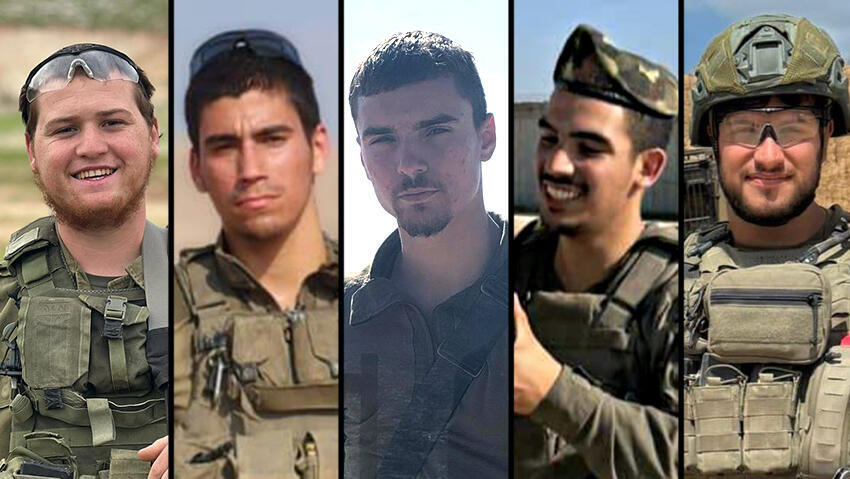
Staff Sgt. Meir Shimon Amar, Sgt. Moshe Nissim Frech, Sgt. First Class (res.) Benyamin Asulin, Staff Sgt. Noam Aharon Musgadian, Staff Sgt. Moshe Shmuel Noll
(Photo: IDF Spokesperson's Unit)
In the decade since, Hamas has only expanded its underground operations—not just in the north, but deep into areas like Khan Younis. While large parts of that city have been leveled, the tunnel infrastructure remains largely intact. In fact, destruction of above-ground structures can sometimes hinder engineering access to the tunnels themselves
The takeaway is clear: Hamas’ military infrastructure in Gaza cannot be fully dismantled through airstrikes or temporary encirclement alone. It requires prolonged ground operations—ones that come at a cost in both time and lives. The window for such action is narrowing, as hostage negotiations and public fatigue weigh heavily on operational decisions.
In the meantime, IDF Chief of Staff Eyal Zamir has signaled that prioritizing a ceasefire-for-hostages deal is a legitimate choice, particularly as Prime Minister Benjamin Netanyahu continues to pursue such a framework. But freezing operations now means leaving places like Beit Hanoun intact—and with them, the risk they pose to Israeli communities nearby.
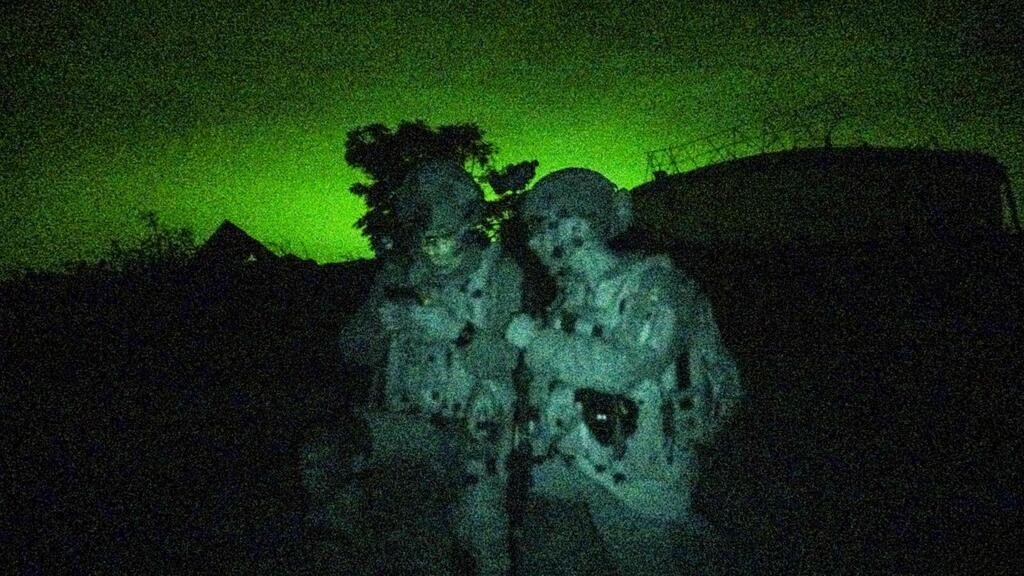
IDf in Beit Hanoun
(Photo: IDF Spokesperson's Unit)
On Tuesday, 22 humanitarian aid trucks entered northern Gaza, including deliveries to Beit Hanoun. While the political leadership approved the shipments, doing so has operational consequences. Aid stabilizes the civilian population and discourages evacuation—creating the very cover Hamas relies on to survive and maneuver.
Get the Ynetnews app on your smartphone: Google Play: https://bit.ly/4eJ37pE | Apple App Store: https://bit.ly/3ZL7iNv
Calls for strict humanitarian restrictions are understandable. Yet even during the Trump administration, discomfort with civilian suffering in Gaza was evident. That tension remains today. The military cost of such humanitarian policy choices is real, and political leaders must be transparent with the public: defeating a guerrilla force embedded in a civilian population, under these constraints, is exceptionally difficult.
A senior officer with firsthand knowledge of the Beit Hanoun sector put it bluntly: “That area has to be erased as a terrorist center. IDF troops must retain a presence on the ground, and a barrier should be constructed on the western side. If we want to protect our border communities, permanent security control of that territory is non-negotiable.”
Similar conclusions, according to sources, are increasingly being voiced in both Washington and Doha.