


The strikes and exchanges of fire in the Persian Gulf are continuing, but as far as Donald Trump’s thinking can be understood, an ambitious task at the best of times, the U.S. president does not appear to want a return to full-scale war with Iran.
What is happening instead is a form of negotiation conducted through military pressure.
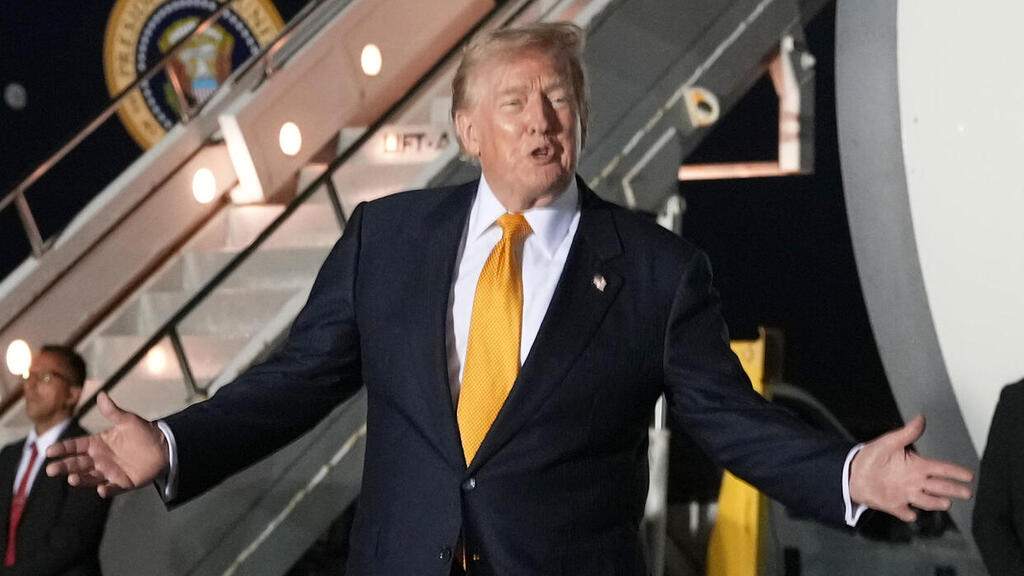
Trump does not understand the way the other side is operating. Accustomed to the direct and results-driven culture of American business, he has grown frustrated with the slow pace and rigidity of Iranian negotiations.
He is also angry that Tehran still holds a significant bargaining chip in the Strait of Hormuz and is using it to stretch out the process and violate the memorandum of understanding reached with Washington.
The situation also risks making Trump appear weak to his political base at home ahead of the U.S. midterm elections. The result is an increasingly frustrated president whose rhetoric has grown harsher, including descriptions of the Iranians as “scum” and “sick.”
For all those reasons, Trump has ordered a series of limited military strikes in recent days.
The objective is not necessarily to restart the war. It is to deter Iran, push Tehran toward more focused negotiations, punish repeated interference with freedom of navigation through Hormuz and allow Trump to project strength to the American public.
Trump has also announced the restoration of a blockade targeting Iranian ports and proposed a 20% charge on cargo passing through the strategic waterway.
War as bargaining
The latest U.S. strikes on Iran and Iranian attacks on neighboring countries should be viewed as part of the negotiations themselves.
Both sides are trying to improve the terms under which the war will end.
The problem is that time is limited.
The sides signed a memorandum of understanding and a temporary 60-day ceasefire on June 21, but three weeks have already passed.
Washington appears to have concluded that Tehran is trying to run down the clock, assuming that by September or October, Trump will be preoccupied with entirely different political pressures.
If Trump wants the Nobel Peace Prize, the last thing he needs is a renewed war in the fall.
The Nobel Committee generally decides on the winners in September and announces them publicly around October 10.
At the same time, Trump must prepare for the midterm elections under difficult conditions, particularly if oil prices continue to rise.
He is therefore trying to use military force to push Iran back onto the negotiating track.
Iran’s double game
The Iranians are also playing a double game.
On one side, they are issuing belligerent statements, making personal threats against Trump and declaring that the memorandum of understanding is null and void.
Footage of the strikes in Khuzestan


On the other, they also understand that the alternative is a return to suffocating economic sanctions.
The use of the Strait of Hormuz has proved to be a double-edged sword for both sides.
Iran believed it could choke the global economy, force an end to the war and dictate terms to Trump.
But the Americans found a partial alternative through a route close to the Omani coast and by providing targeted assistance to ships.
Both sides know this arrangement cannot continue indefinitely. Yet before negotiations can resume, a short military chapter may be required.
Gulf allies lose patience
There is another motive behind the military escalation: the growing frustration of Saudi Arabia and the Gulf states, which have been among the biggest losers in the war with Iran.
These countries are clearly identified with the anti-Iranian camp, yet they have been left to absorb missile attacks with limited ability to defend themselves.
Trump may understand this and be trying to repair the impression among his Gulf allies by applying direct military pressure on Iran.
What will Israel do?
The developments in the Persian Gulf do not appear directly connected to Israel.
Had Iran wanted to renew the war against Israel, a single missile launch would have been enough to signal that intention. Tehran has not done so, and that is not accidental.
At the same time, Washington has not given Israel freedom to act.
That is another indication that the current confrontation remains limited and is taking place within the broader framework of U.S.-Iranian negotiations.
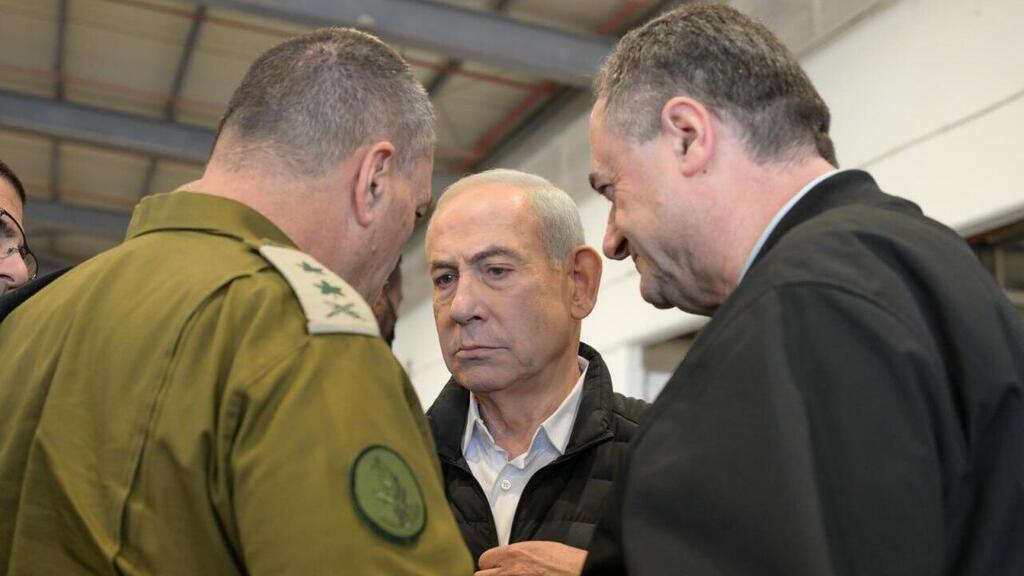
IDF chief Eyal Zamir, Prime Minister Benjamin Netanyahu and Defense Minister Israel Katz
(Photo: Maayan Toaf, GPO)
Inside Israel, there is disagreement over the correct course of action.
The prevailing assessment is that there is little chance of reaching a permanent agreement with Iran that Israel would regard as satisfactory.
That leaves two broad strategic options.
The first is to support the restoration of a full economic blockade on Iran, which could weaken the rule of the ayatollahs.
The second is a large-scale attack on infrastructure that would darken the country and neutralize the regime’s ability to generate oil revenue, potentially bringing protesters back into the streets.
Either way, the next major window for military action may not open until after the U.S. midterms, and much will depend on the result.
If Trump loses and Republicans lose control of Congress, he may find it difficult to order a renewed war.
If he emerges politically strengthened, he may feel free to act as he chooses.
Could he still renew the fighting before the midterms?
The assessment in Israel is that the likelihood remains low.
But the situation could always spiral out of control, particularly if an Iranian attack kills U.S. troops and forces Trump into a much harsher response.
In that scenario, every option would return to the table.