

The destruction of Hezbollah’s tunnel network on the Ali Taher Ridge was a major operational achievement, and it was made possible by the decision not to withdraw from southern Lebanon.
Without a prolonged presence on the ground, it is doubtful that the IDF could have destroyed underground routes stretching a combined five kilometers in a complex engineering operation involving 1,100 tons of explosives.
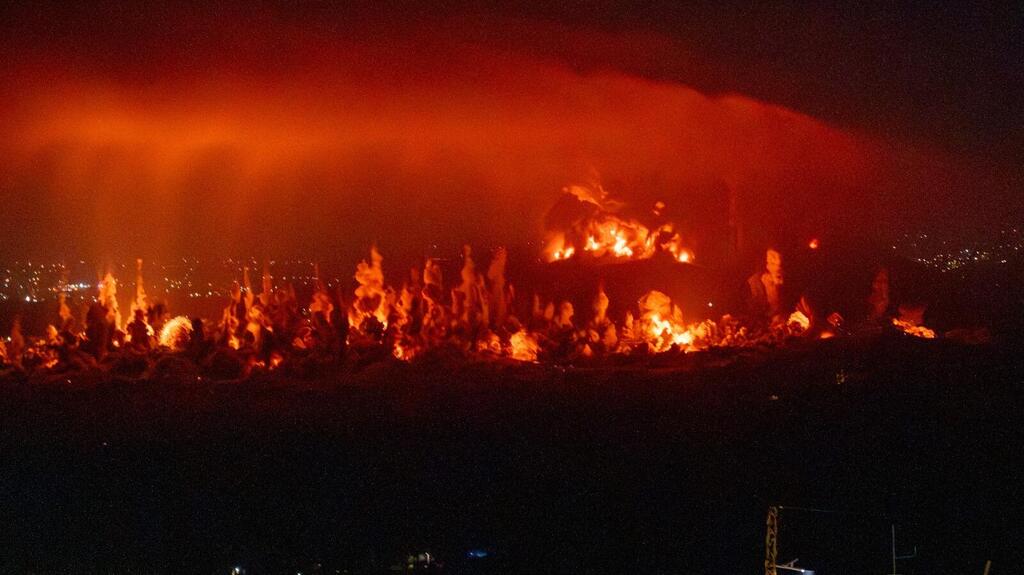
The tunnels on Ali Taher are only one part of a far broader system. Over decades, Hezbollah built thousands of underground sites and facilities across southern Lebanon, transforming the area into a fortified zone that is extremely difficult to neutralize from the air.
The operation points to three central conclusions: some military systems can only be exposed and dismantled through a sustained presence on the ground; there is currently no other force capable of doing this in Israel’s place; and dismantling Hezbollah requires a prolonged, methodical and consistent campaign.
Hezbollah’s failure to rescue the terrorists trapped in the underground system added an important psychological dimension to the achievement and exposed the organization’s current weakness inside Lebanon as well.
During the years when I became deeply familiar with this terrain as a commander in the IDF Northern Command, Ali Taher was far more than a dominant ridge overlooking the Beaufort Castle.
It was a key to understanding the military system Hezbollah had built in southern Lebanon.
Its importance stems from its commanding position over the border region. It was also a significant component of Hezbollah’s command-and-control system for its plan to invade the Galilee.
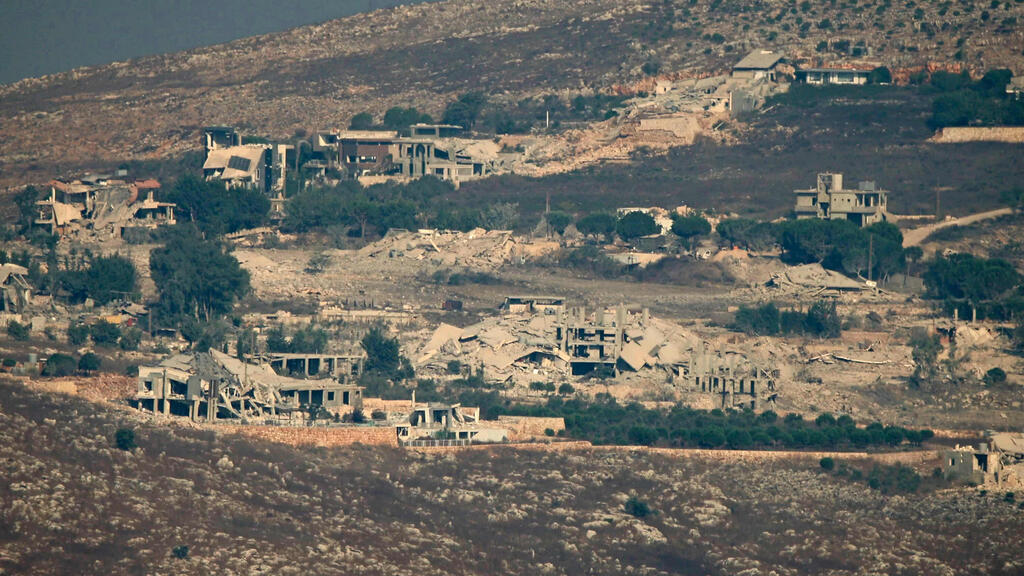
Ali Taher Ridge
(Photo: AFP)
Holding the ridge also affects the Litani River area, threatens Hezbollah’s rear around Nabatieh and enables Israeli forces to expand operations farther north.
The system uncovered on Ali Taher is not exceptional. It is part of a broader doctrine Hezbollah developed to offset the IDF’s advantages.
There is no shortcut to dismantling systems like these.
It requires precise intelligence, infantry and combat engineering troops, meticulous examination of the terrain and, above all, time.
Even air and intelligence superiority cannot produce the same results as a physical presence on the ground.
The ceasefire has placed Israel in a complex reality.
Despite the severe blows Hezbollah has suffered, withdrawing without dismantling its infrastructure and preventing its reconstruction could bring Israel back within a few years to another confrontation with an even more lethal organization.
Nor can the Iranian dimension be separated from the decision.
According to published reports, the Ali Taher tunnel system was built with Iranian funding and guidance. The possibility of another escalation with Iran was therefore part of the calculation surrounding its destruction.
That is precisely why dismantling the threat was the correct decision.
Fear of Iran must not prevent Israel from removing the threat hanging over residents of the north.
A strategic objective
Disarming Hezbollah is a strategic objective for Israel.
To achieve it, Israel must dismantle the system that enables Hezbollah to fight: command centers, weapons depots and the infrastructure used to move and conceal forces.
Destroying the Ali Taher complex is one step in that effort, and its success will also be measured by Israel’s ability to prevent Hezbollah from rebuilding what has been destroyed.
Hezbollah, like Hamas, built its doctrine around the assumption that Israel is capable of waging an intense war but not a prolonged one.
From their perspective, simply surviving until IDF forces leave is an achievement.
On Ali Taher, one of the most heavily fortified positions in Lebanon, that equation was broken.
The tunnels designed to protect Hezbollah terrorists became a death trap for them.
A prolonged ground presence carries risks and places a heavy burden on both the standing army and reserve forces.
But systematically dismantling infrastructure, while preventing residents from returning to villages before the area is cleared, could reduce both the danger and the number of troops required over time.
The lesson from Ali Taher is clear: residents should not be allowed to return to villages in territory seized by Israel until the military infrastructure has been dismantled and until the Lebanese Armed Forces are actually enforcing the disarmament of Hezbollah in southern Lebanon.
In the current campaign, the IDF is operating differently from what Hezbollah expected.
After dealing the organization severe blows, and despite the complexity and the cost, the IDF continues to hold territory in Lebanon, effectively neutralizing the infiltration threat while methodically dismantling infrastructure that Hezbollah spent years digging deep underground.
This time, Israel is not rushing to withdraw and is not repeating the mistakes of the past.
It is an opportunity that must not be missed if Israel wants to create a deep and lasting change in the security of its northern communities.
Asher Ben Lulu is a retired IDF brigadier general, former chief of staff of the Northern Command and CEO of Ashbal, a strategic project management company