

Christians in Jerusalem and across the Middle East are facing a difficult reality today. They are threatened not only by terrorism and violence, but also by a gradual encroachment driven by the political power, money and ideological influence of radical Islamist actors. This reality is eroding the independence of Christian communities and undermining their ability to preserve their identity.
The situation in Jerusalem illustrates this clearly.
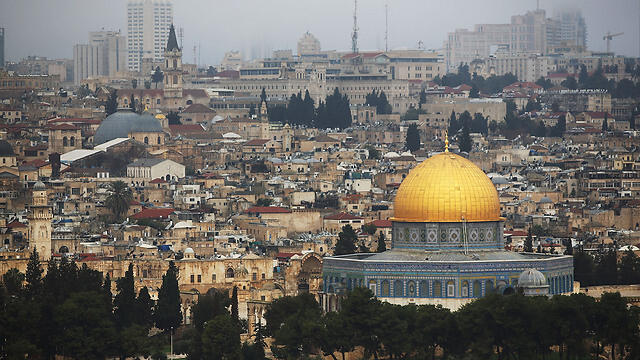
Jerusalem
(Photo: Gettyimages)
Millions of dollars in Qatari funding have been invested this year in the Christian St. Joseph Hospital, with Qatar’s influence also visible on the ground through prominent signage acknowledging its support. The Turkish Consulate continues to operate from a property belonging to the Syriac-Aramean Patriarchate—a community that carries the memory of the massacres committed against its people under the Ottoman Empire. Over the years, a sign has also been displayed in the area of the Mosque of Omar, above the Church of the Holy Sepulchre, expressing the claim that Jesus was a Muslim—a message that many Christians view as an affront to their identity and faith.
When speaking with Christians in Jerusalem, one encounters a growing sense that these are not isolated incidents, but part of a broader pattern in which the vulnerability of Christian communities is exploited, while various actors fail to provide genuine protection for their status and independence.
In the face of this reality, the truth must be stated clearly: Israel is the only country in the Middle East where Christians enjoy religious freedom, personal security, legal protection and freedom of worship. While Christian communities in many countries across the region have declined as a result of persecution, war and emigration, in Israel they continue to exist, develop, and participate in every sphere of society.
The future of Christians, therefore, does not lie in continued dependence on regional actors who exploit their vulnerability, but in building a courageous partnership with the State of Israel. This is a shared interest of both sides: protecting the holy sites, safeguarding religious freedom and strengthening stability throughout the region.
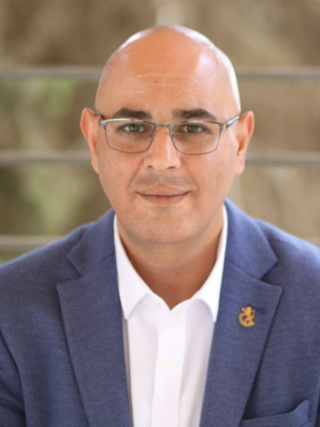 Elias Zarina Photo: Courtesy
In Lebanon, too, a growing number of voices are calling for liberation from the influence of the radical axis and for consideration of a future based on sovereignty, stability and normalization. This direction could offer hope to other Christian communities across the Middle East as well.
The message must be clear: if Christians in the Middle East seek to secure the future of their children, protect their freedom of faith and ensure their safety, they should view Israel not as a threat, but as a natural partner.
In a turbulent Middle East, Israel is not merely a safe haven for Christians; it is their best hope for the future.
- Elias Zarina is a Jerusalem Christian, founder of the Jerusalem Initiative for the Integration of Christians into Israeli Society, and a Research Fellow at the Jerusalem Center for Applied Policy (JCAP).