

Seven weeks passed between the Exodus from Egypt and the giving of the Torah at Mount Sinai. Shavuot, the holiday named for those weeks, is built around anticipation. Like any meaningful moment, it is counted toward, prepared for and awaited.
Thousands of years have passed since the biblical scene at Sinai, but the counting that leads to Shavuot still accompanies us every year. Each time, it offers a new opportunity.
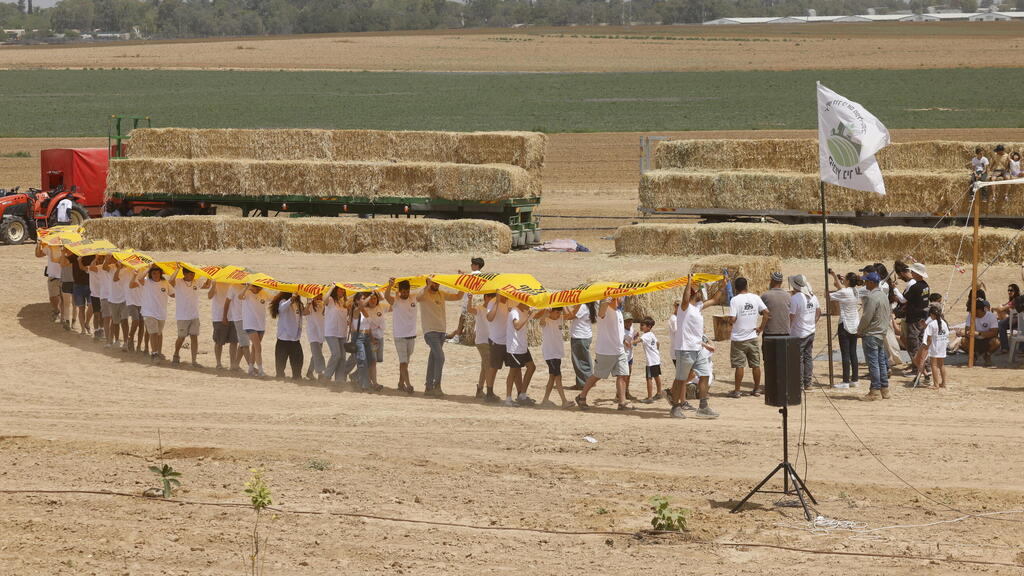
The counting of the Omer is not only a calendar. It is meant to prepare the person who counts. Step by step, it invites an inner process, one that awakens the desire for change, openness to new things, a deeper view of reality, more compassion, less anger and more love.
It begins with the individual, each person moving through an internal journey. But it does not end there. The process leads to a national moment, with the entire people standing together at the foot of the mountain.
There, at the base of Sinai, humility is revealed. The heart opens. Despite all the differences between them, the people are able to stand together. That is the moment in which they receive the Torah.
In the Book of Exodus, the Torah describes the people of Israel encamped opposite the mountain. The Hebrew wording is unusual, using a singular form. Rashi, the medieval commentator, reads this as a rare moment in which the entire people set their disputes aside and stood “as one person with one heart.”
In other places, Rashi notes, the people are described in the plural, with complaint and conflict. That condition feels familiar to us to this day.
Over the past two and a half years, Israelis have felt more than once a measure of that rare power of standing together. We have seen how much strength it contains, how much strength it gives and what a profound effect it can have.
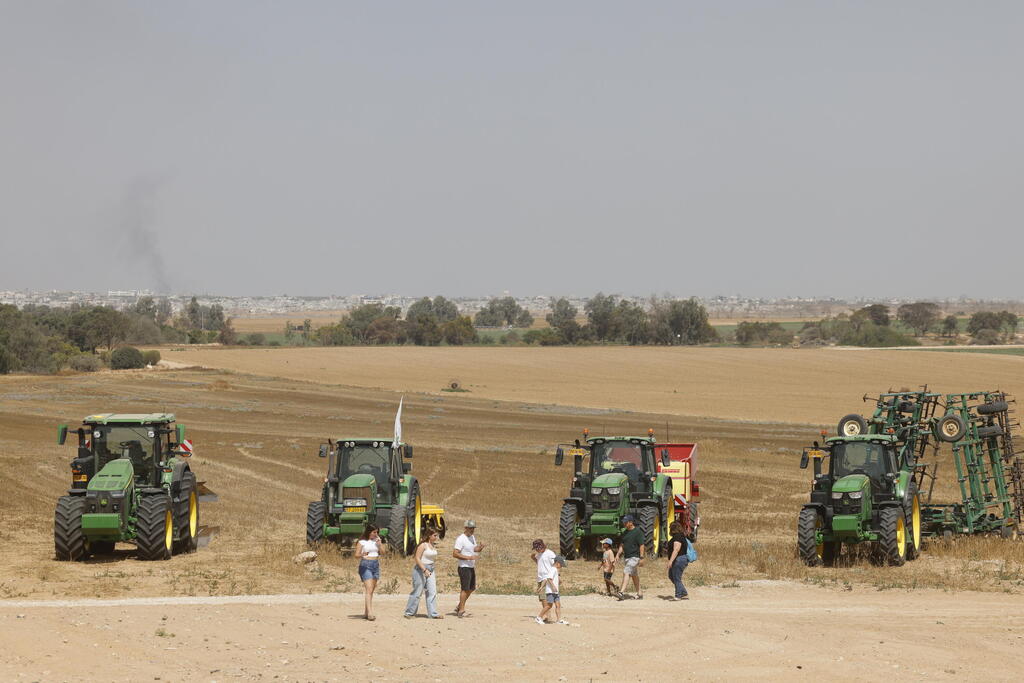
(Photo: Ziv Koren)
But history has also shown that it is difficult to hold on to that unity for long. The endless war, and especially the approaching elections, are roughly undoing what was woven here out of pain and hope.
A holiday split in two
Over the years, especially after the establishment of the State of Israel, Shavuot itself came to reflect one of the deeper divisions in Israeli society.
The holiday that perhaps more than any other symbolizes the power of Jewish unity was split, in practice, into two holidays. For some, it is the holiday of the giving of the Torah. For others, it is the festival of the first fruits. Each group has emphasized the part closest to its heart.
That split deepened over time and helped create a fracture that still accompanies us.
There are those who look only toward heaven, while ignoring the fact that life in this land also requires fighting for it, plowing it, planting it, building an economy, industry and medicine. The Torah we received is a Torah of life. It connects land and heaven. It also expects each member of our people to stand up and defend the home.
And there are those who have become so focused on working the land that they have forgotten to lift their eyes upward from time to time. They have forgotten to recognize that the fact we are here, in this flourishing land surrounded by deserts and enemies, is not incidental. We are not a nation like all other nations. We have a purpose that cannot be ignored.
The strength of togetherness, the combination of the giving of the Torah and the festival of the first fruits, is what allowed this land of milk and honey to grow here. It will continue to be that, and even more, only if we are wise enough not to allow anyone to unravel or damage that shared bond.
Standing again at the foot of the mountain
The eve of Shavuot gives us a chance to choose, if only for a moment, to stand again at the foot of the mountain.
It is a chance to look at one another with humility. To adopt a more compassionate gaze. To search for what connects us. To become a little more patient. To ask what role each of us plays in the division, and from there, what each of us must repair so that we can again be “as one person with one heart.”
That is the deeper correction of Shavuot.