

Qatar has officially opened a permanent office of its main charitable arm, Qatar Charity (Qatar al-Khairiya), in Beirut, marking a new phase in its growing presence in Lebanon and prompting discussion in Israel about the implications of Doha’s expanding regional influence.
The Beirut office was inaugurated on Sept. 17 in a ceremony attended by Lebanon’s Prime Minister Nawaf Salam. The event underscored Qatar’s increasing engagement in the country — a move seen by analysts as part of a broader strategy to strengthen its influence across the Middle East, including in areas of direct concern to Israel.
Qatar Charity, which Israel declared an unlawful association in 2008 due to alleged links to Hamas funding, is one of the most active humanitarian organizations in the Muslim world. Its new office in Lebanon — one of 34 around the globe — adds another layer to Qatar’s soft-power network.
Qatar’s humanitarian network expands in Lebanon
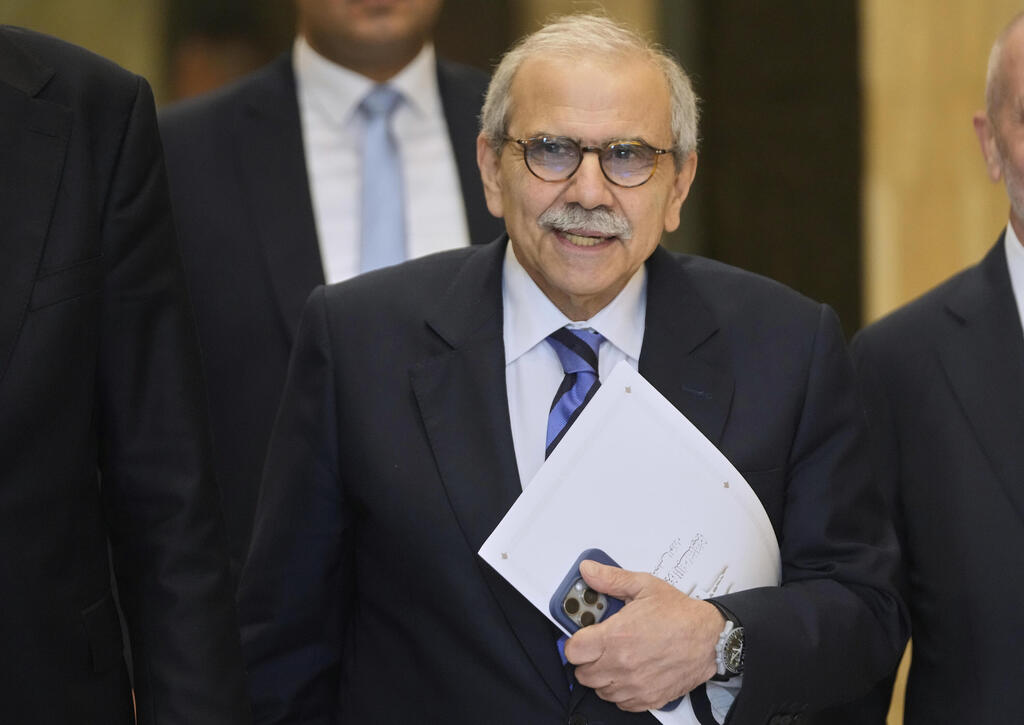
At the opening ceremony, Qatar’s ambassador to Lebanon, Saud bin Abdul Rahman al-Thani, and the foundation’s chairman, Hamad bin Nasser al-Thani, outlined the group’s global and local objectives.
“Qatar Charity chose to be close to the communities it serves and to address their needs directly through field offices,” Hamad al-Thani said. “Today, we operate in 34 countries and partner with UN agencies, international organizations and local institutions in more than 70. The Beirut office strengthens our presence, embodies our humanitarian commitment and enhances our ability to plan and respond effectively.”
He noted that Qatar’s involvement in Lebanon began in the 1990s and has continued ever since, supporting sectors such as education, health care, housing and the economy. According to the organization, its projects have assisted more than 483,000 people in Lebanon, including both citizens and refugees. The current phase, al-Thani added, aims to coordinate programs with the Lebanese government that align with national priorities.
The foundation said it is currently running over 70 projects reaching 360,000 people, including Lebanese residents and refugees from Syria and the Palestinian territories.
Lebanon praises Qatar, condemns Israel
Prime Minister Salam used the ceremony to express solidarity with Qatar in the wake of Israel’s recent strike in Doha — an operation condemned across much of the Arab world.
“What happened does not target Qatar alone,” Salam said. “It affects all Arab and Islamic states and poses a direct threat to regional security and stability. Our unity with Qatar here in Beirut underscores our shared destiny.”
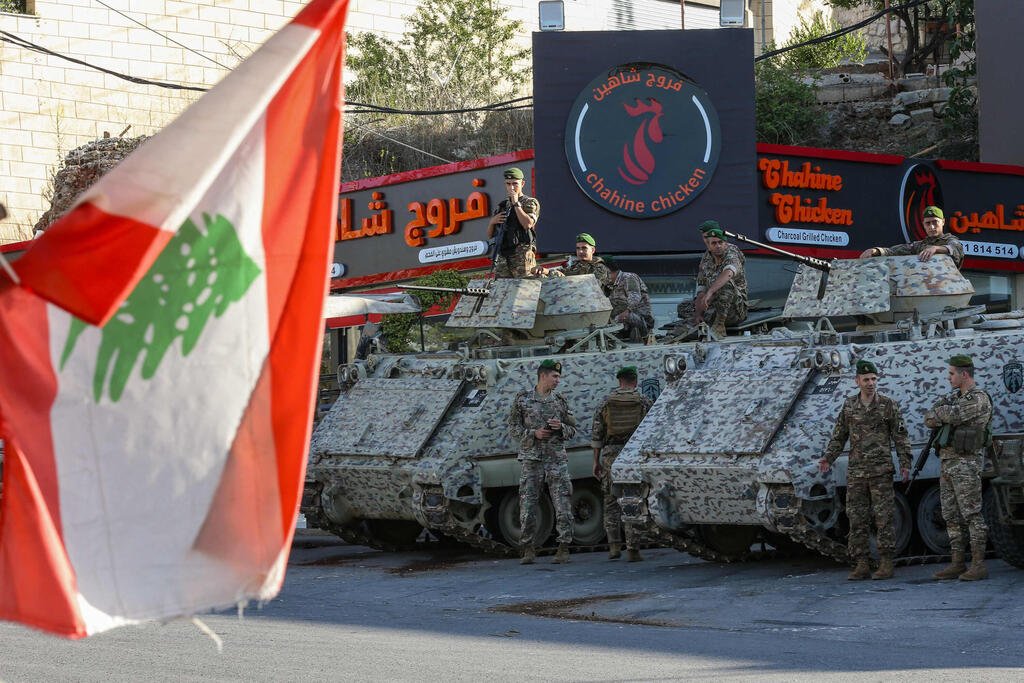
Lebanese armed forces
(Photo: Mahmoud ZAYYAT / AFP)
He urged Arab, Islamic and international support to pressure Israel to withdraw from Lebanese territory, release Lebanese prisoners and halt military strikes. Salam also praised Qatar’s swift aid response following Israeli operations in Lebanon. “We have not forgotten that Qatar quickly launched an air and sea bridge filled with aid and that Qatar Charity initiated a broad solidarity campaign from Doha to support Lebanon,” he said. “The opening of this office reflects Qatar’s ongoing commitment to stand by Lebanon.”
Qatar’s opportunism and the regional balancing act
Israeli analysts say Qatar’s growing presence in Lebanon reflects its pragmatic foreign policy and its willingness to act as both mediator and power broker.
Dr. Yoel Guzansky, a former member of Israel’s National Security Council and head of the Gulf Program at the Institute for National Security Studies (INSS), said the Beirut office is a symbol of influence more than a major strategic shift.
“Since Joseph Aoun became president of Lebanon, Qatar’s influence has strengthened,” Guzansky said. “He was one of their protégés. Lebanon is a good example of Qatar doing everything — not only in coordination with the Americans, but often at their request. Aoun visited Doha frequently, and Qatar bolstered him vis-à-vis Hezbollah. That was true before the war and remains true now.”
Guzansky noted that, despite tensions between Israel and Qatar, some of Doha’s activity in Lebanon aligns indirectly with Israeli and American interests. “Everything Qatar does in Lebanon is essentially on behalf of the Americans — strengthening the Lebanese army, the presidency and humanitarian aid,” he said. “They don’t channel funds to Hezbollah. The goal is to reinforce the Lebanese state over the organization.”
Still, he added, Qatar benefits by increasing its leverage. “There’s quiet competition, and sometimes cooperation, with Saudi Arabia. Qatar has a lower threshold for involvement — it’s willing to intervene almost anywhere, without preconditions. That’s the Qatari DNA: pragmatism and opportunism over ideology. It seeks to expand its influence and earn dividends as a mediator, mainly for Washington.”
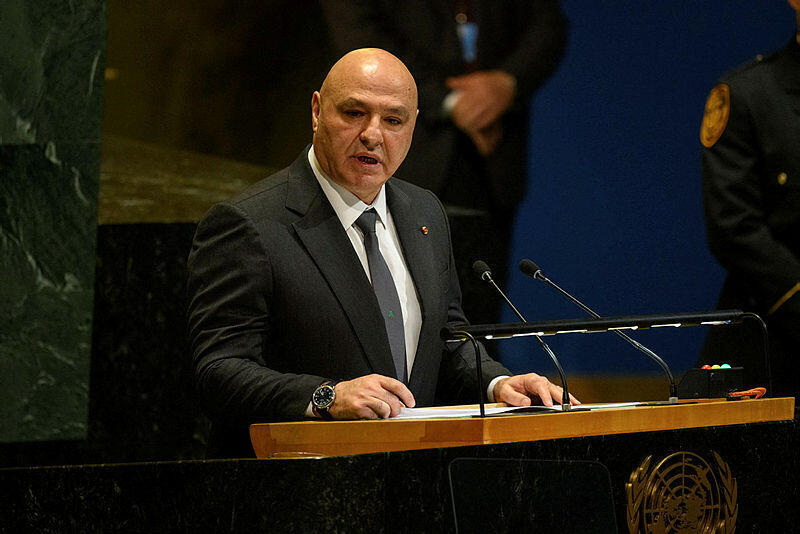
Lebanese President Joseph Aoun
(Photo: AFP)
Asked whether Qatar’s strengthening role in Lebanon poses a threat to Israel, Guzansky said the picture is mixed. “Israel wants a stronger Lebanese state and a weaker Hezbollah — that’s clear. But since Israel conducts strikes in Lebanon, differences can arise. The Americans don’t always like what we do there. Qatar has been useful to Israel in some areas, and later we’ve criticized it for supporting terror. So while interests sometimes overlap, it doesn’t mean Israel should welcome Qatar’s growing influence. Many here see it as a zero-sum game, but reality is more complex.”
'The Qatari challenge' across the region
Guzansky cautioned that Israel must learn to live with Qatar’s growing role. “We’re going to encounter Qatar in many arenas,” he said. “We can’t fight on every front. We’ll pay a price for the strike in Doha, but we shouldn’t panic about its involvement in Lebanon. It’s part of what I call ‘the Qatari challenge’ — not limited to Gaza, but across the Middle East, including Jordan and Syria.”
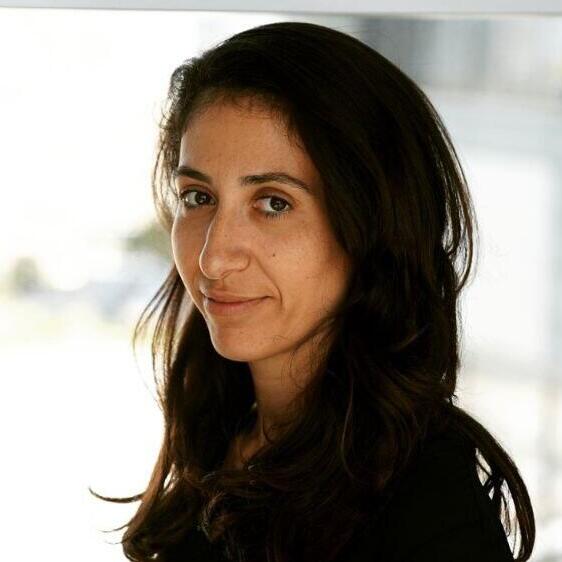
Dr. Moran Zaga, a Gulf studies researcher at the University of Haifa and the Mind Israel Institute, said Qatar Charity’s activity in each country reflects local priorities. “Their work in Lebanon is less harmful to Israel,” she said.
Zaga pointed to another example of Qatari involvement in Lebanon’s civilian sector: on Sept. 16, a Qatari educational foundation, the Qatar Fund for Development and the Lebanese NGO Teach For Lebanon launched an initiative called “Resilience Through Education.” The project aims to support more than 23,000 disadvantaged students.
“They’re entering civilian areas where Hezbollah used to provide services,” Zaga said. “That’s Qatar’s expertise — finding a governance vacuum and stepping in.”
Strategic implications for Israel
Zaga cautioned that while Qatar’s current role aligns with Israel’s interests, that alignment may not last. “Qatar is building several levers of influence in Lebanon that now serve our interests but could turn against us,” she said. “The fact that Qatar funds the Lebanese army means it has a kind of military arm across our border. They’re paying salaries, providing equipment and fuel.
“Today, Israel benefits from a stronger Lebanese army as a counterbalance to Hezbollah — an institution that’s state-controlled and manageable,” she continued. “But no one can know what tomorrow will bring.”
As Qatar deepens its footprint in Lebanon — a country still struggling to balance Iranian, Saudi and Western influence — Israeli analysts say the development underscores a familiar regional pattern: where power vacuums open, Qatar moves in.
Whether that ultimately stabilizes Lebanon or complicates Israel’s northern front may depend less on Doha’s intentions than on how the next regional crisis unfolds.