

Every year at the Seder, we repeat the same line: “In every generation, a person is obligated to see themselves as if they personally left Egypt.”
We say it. We nod. We pour another cup of wine.
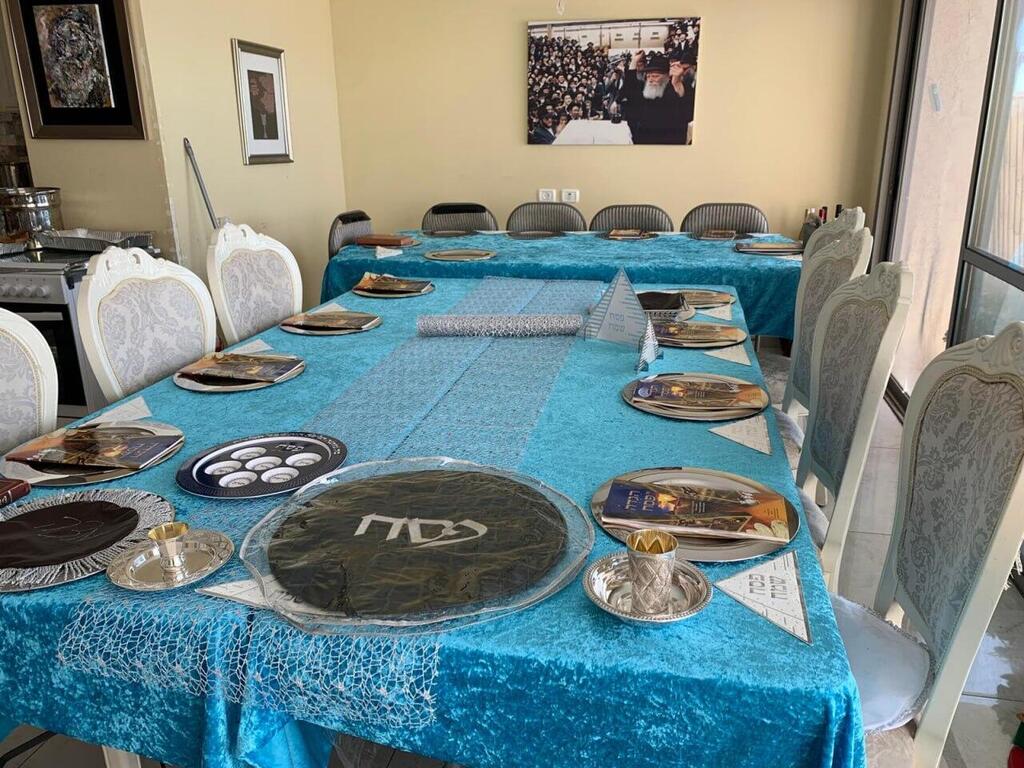
This year, I do not need to imagine it.
I am sitting in Israel as the war with Iran continues. What I am witnessing, in the skies above and in the spirit of the people here, feels like something far beyond routine conflict. It feels like a modern-day miracle.
When the first attack came, my family was at the Shabbat table. We sat together and spoke about it, not with panic, but with a sense of awe.
In Jewish tradition, the month of Adar carries a unique spiritual momentum. The sages teach that when Adar begins, joy increases and fortunes shift. The war began in Adar. Now we are in Nissan, the month of redemption, just days before Passover. And the sense of unfolding events has not faded.
We said it out loud that night. We are alive at this moment. We are witnessing something extraordinary.
The Iron Dome intercepting missiles aimed at our cities is not only a military achievement. It feels like providence made visible. Not identical to the miracles of the past, but unmistakably connected to the same idea.
At the same time, another image stands out.
As we prepare to retell the story of leaving Egypt, some people are physically leaving Israel through Egypt. Students from yeshivas and seminaries are returning home, at the urging of worried parents.
That decision is understandable. Fear is real. Parents want to protect their children.
But the symbolism is striking.
The Exodus moves in one direction, from Egypt toward Israel, toward something more uncertain but also more meaningful. Now, in this moment, we are watching some people move in the opposite direction in search of safety.
That contrast reflects two ways of seeing the same reality.
You can look at this war and feel fear. Or you can look at it and recognize something larger at work.
Both responses are human. Only one reflects the mindset of the Exodus.
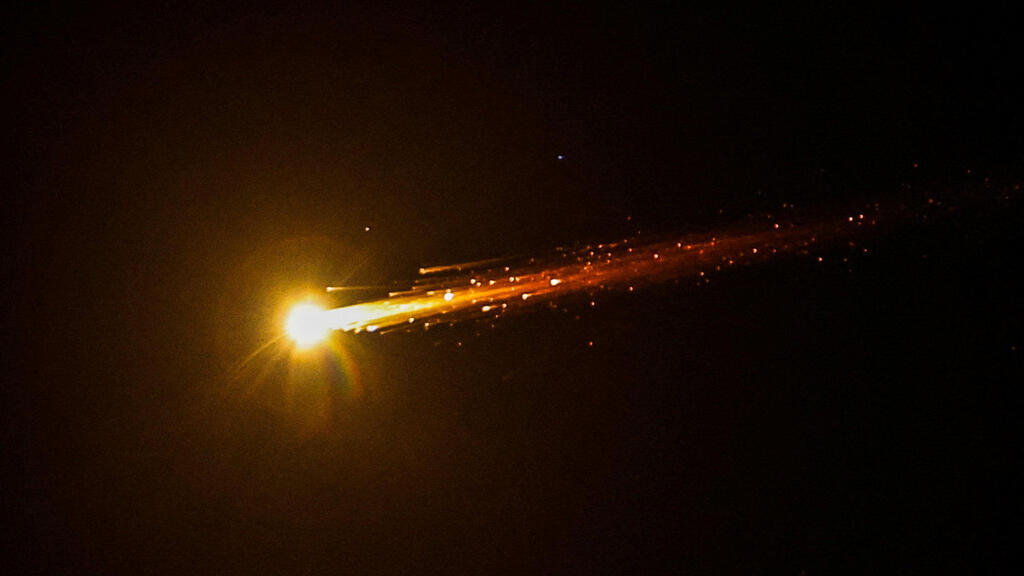
Iranian missile intercepted above Jerusalem
(Photo: Reuters/Jamal Awad)
The people who left Egypt did not step into certainty. They walked into a desert without a map, without infrastructure and without guarantees. What they had was conviction that they were moving in the right direction, even when it was difficult, even when it was frightening.
The sea did not split before they moved forward. It split after.
That is the demand Passover places on us every year. Not to wait for perfect conditions. Not to act only when it feels safe. But to trust direction and take the step.
I have lived that pattern in my own life. I became observant. I made aliyah. I left a corporate career to build something from scratch in a country where many said it would be harder to succeed.
Each decision looked uncertain from the outside. Each required stepping forward without guarantees. And each time, once I moved, the path became clearer.
That is not a coincidence. It reflects the same principle at the heart of the Exodus. Movement comes first. Clarity follows.
This Passover, I am not only telling a story from the past. I am living inside it.
And wherever you are this Seder night, you may be as well.
We do not know how this chapter will end. But we know the pattern.
The sea splits. The people cross. And they do not go back.
Only up.
Nachman Hoffman is a high-performance coach and entrepreneur based in Safed, Israel. He works with ambitious men to align faith, family and achievement.
First published: 12:11, 03.30.26