

The recent municipal elections in France resonate far beyond the local ballot box. The collapse of the center, the rise of the extremes, and a new alliance between the democratic left and antisemitic radicalism are a dress rehearsal for 2027.
On one side, Jean-Luc Mélenchon’s far-left party, La France Insoumise (LFI), which didn’t hold a single seat on any municipal council, has now entered hundreds of councils and captured real cities for the first time. On the other side, the far right took approximately 40% of the vote and clinched dozens of mayoral races. The center seems to have collapsed.
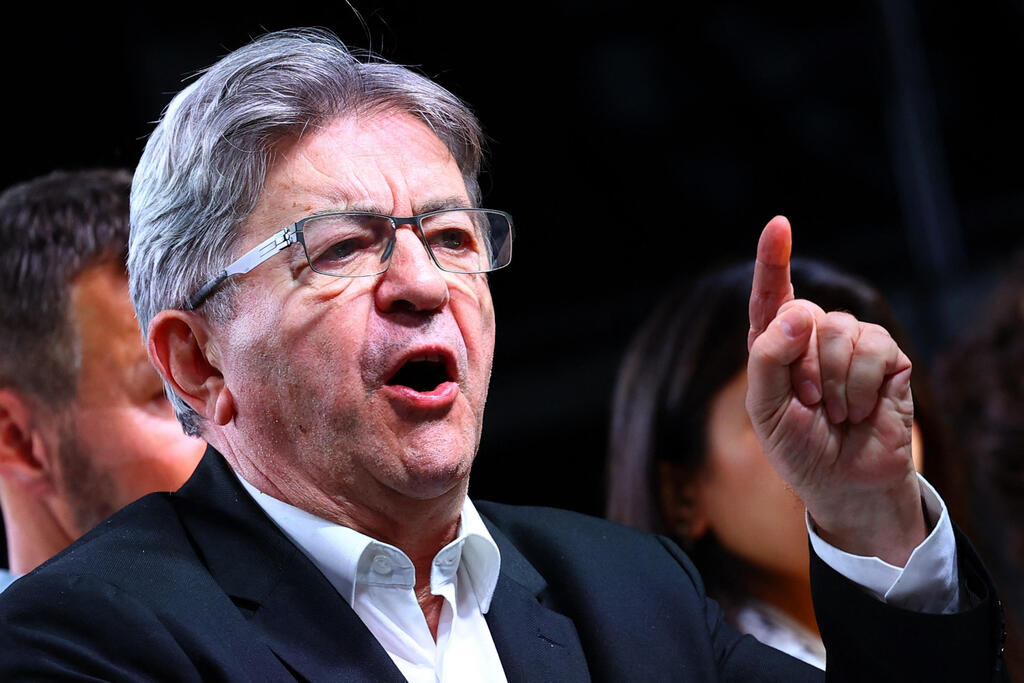
In just over a year from now, these two extremes will meet again in a bout for the presidency.
According to current polls, Mélenchon has a real chance of reaching that final round as the standard-bearer of the left. His political movement has weaponized hostility toward Israel, and his ties to Islamist networks are well-documented. President Emmanuel Macron rose up on the ruins of the French left, and Mélenchon has harvested the fruit.
The paradox is that Macron himself paved the way. When he rose to power in 2017, the Socialist Party was in its death throes. Five years of Hollande's failed presidency had left it at a historic low. Macron, who had served as Hollande's Minister of the Economy, did not try to heal it. He set out to inherit its voters, recruiting moderate leftists alongside conservatives tired of the old guard, with one message: only he stood between the Republic and extremism. The Socialist candidate took just 6% of the vote in 2017. A party that had governed France for decades was erased in a single night.
Not everyone voted for Macron. Workers, farmers, and the people of "deep France" who felt left behind drifted toward Marine Le Pen. Urban intellectuals, the French equivalents of Bernie Sanders voters in the US and Jeremy Corbyn voters in the UK, were left without a political home. Mélenchon did not wait for the collapse. He left the Socialist Party in 2008 and founded LFI in 2016. When the Socialists were trounced in 2017, he was already standing ready in the breach.
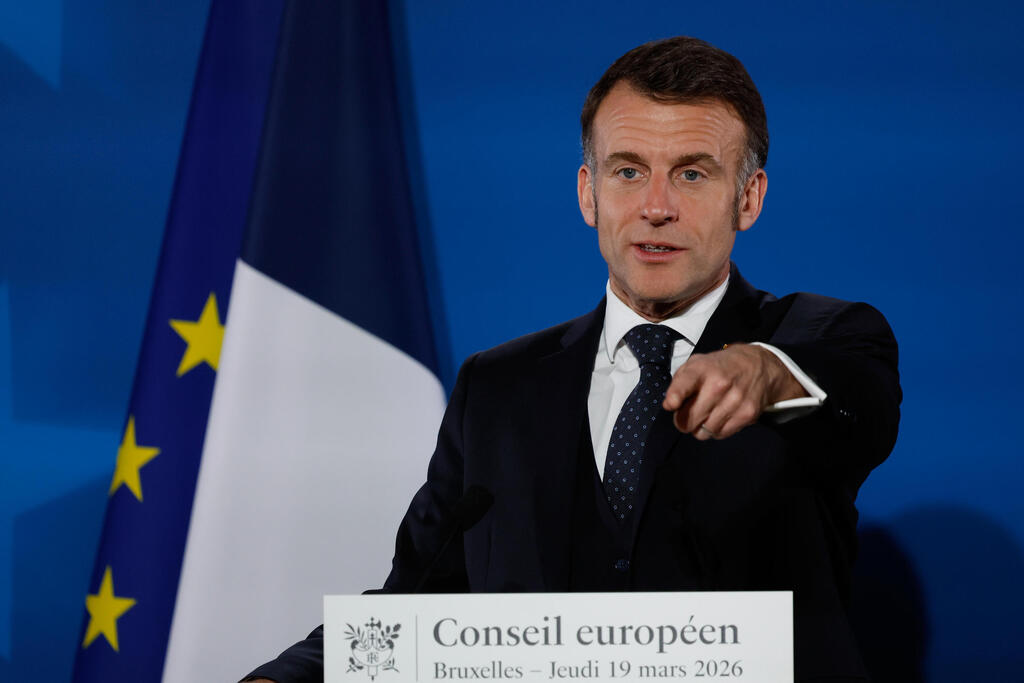
French President Emmanuel Macron
(Photo: Geert Vanden Wijngaert/AP)
Mélenchon's vision, what he calls the “New France” has native-born French and the children of immigrants united against a common enemy: the establishment, the bankers, the United States – and Israel.
In 2022, he won 22% of the vote and missed the second round by just 600,000 ballots. Jérôme Fourquet, a senior analyst at the research firm IFOP (Institut français d'opinion publique) describes Mélenchon’s strategy plainly as an appeal to Muslims in working-class neighborhoods who had never gone to the polls, united by enemies rather than a platform.
October 7 handed him his opportunity: he justified the massacre, called Israel an apartheid state, and accused French Jews of dual loyalty. Members of his parliamentary group marched where calls for jihad were heard. Mélenchon refused to designate Hamas a terrorist organization. This is not political criticism. It meets a different definition: political antisemitism.
Before the first round, the Socialists and the Greens announced a break with Mélenchon, condemning his "intolerable" antisemitic provocations. But once the results were in, they came back to him.
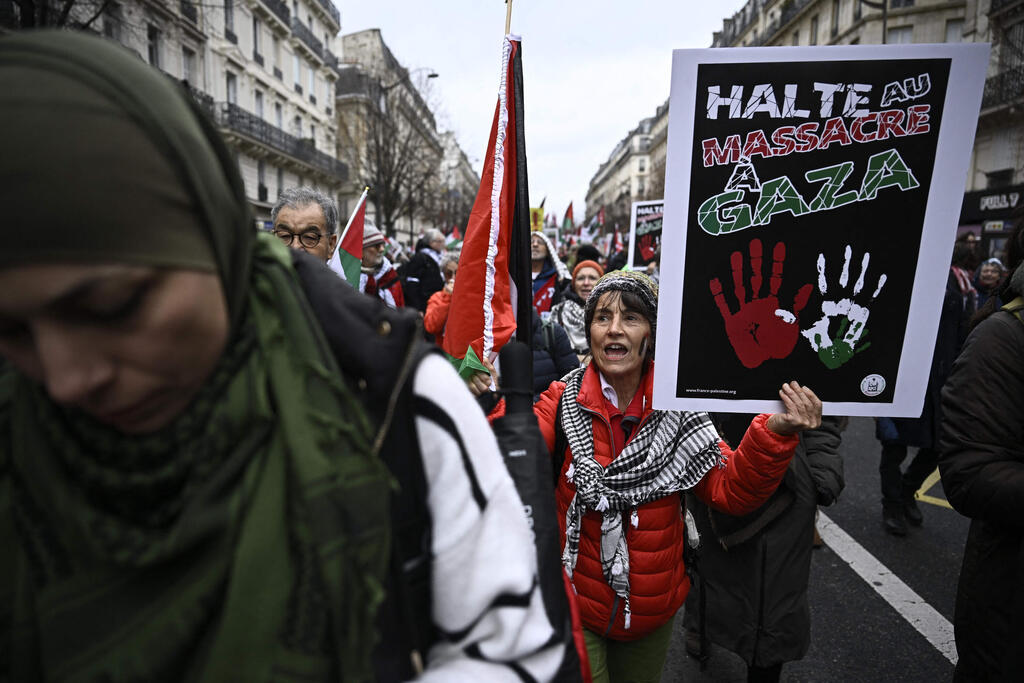
Pro-Palestinian demonstration in Paris
(Photo: JULIEN DE ROSA / AFP)
City by city – Toulouse, Lyon, Grenoble, Nantes, Brest, Avignon – all ended up in the same camp. What had been presented as a moral rupture dissolved into what Olivier Faure, deputy of the French National Assembly, now calls "technical mergers." The calculation was not moral. It was demographic. For every Jewish voter in these cities there are 20 Muslim voters. Without LFI, the moderate left cannot win. Macron atomized the Socialist Party. What remains survives only in Mélenchon's shadow.
That choice will not save it. Mélenchon is not a partner. He is a swallower. The heirs of Jean Jaurès, who risked his career to defend Dreyfus, are lending legitimacy to a man who refuses to condemn Iran. Selling their soul will only accelerate their demise.
Mélenchon is not simply an antisemite with an electoral strategy. His program follows the failed model of Hugo Chávez. Venezuela, sitting atop the world's largest oil reserves, could not feed its own people, and most of its Jewish community left during his presidency. But Chávez did not sit on the UN Security Council, did not control nuclear weapons, and was not the anchor of the European project. The consequences of a Mélenchon presidency would not be for France alone; they would also be Europe's.
French Jews are reading the map. A recent poll found that a large majority say they will leave if he is elected. A longstanding community does not start packing its bags out of paranoia. It does so out of rational lucidity.
The pre-show is over. French democracy may not survive 2027.
- Dr. Dov Maimon is a Senior Fellow at the Jewish People Policy Institute (JPPI), where he heads the Institute's activities in Europe.