


That concentration inevitably reduces Israel’s ability to rapidly collect intelligence on Hezbollah activity in Lebanon, particularly in the south, and to respond effectively.
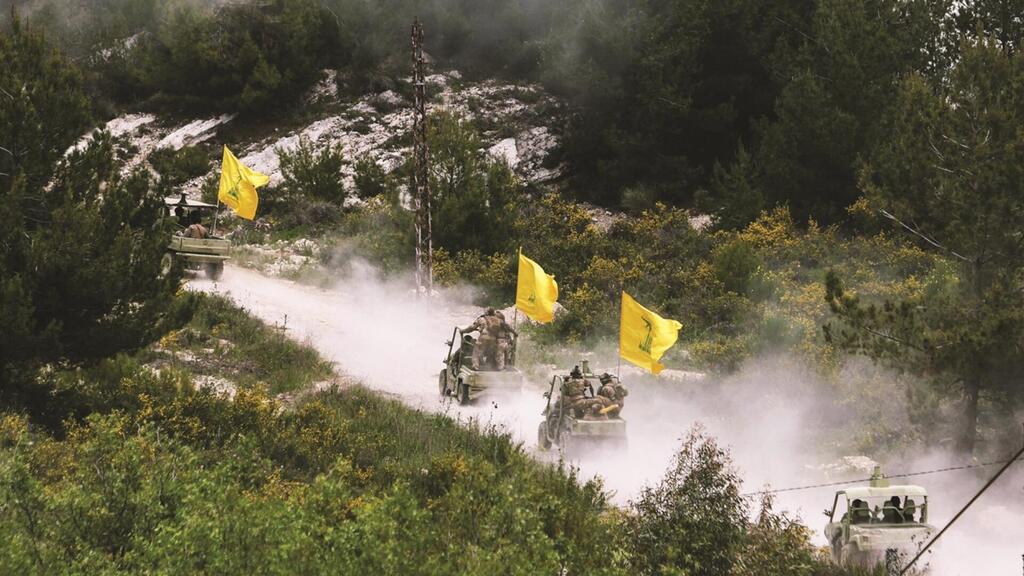
During the second year of the war, in 2024, Hezbollah struck Israeli forces and Israeli Air Force control facilities using anti-tank missiles launched from distances of five to six kilometers from the border.
At the time, the IDF invested significant intelligence and firepower to push the Shiite terrorist organization north of the Litani River and beyond the effective range of most of its anti-tank weapons.
Now, Hezbollah has begun returning small anti-tank missile teams to the areas from which it withdrew. These units are targeting Israeli forces deployed in forward defensive positions intended to prevent attacks on northern Israeli communities.
Paradoxically, the deployment of Israeli forces into southern Lebanon as part of this forward defense has brought them closer to the range of Hezbollah’s anti-tank missiles and mortars positioned in the “Badr” area north of the Litani.
This proximity is the main reason for the rising number of Israeli casualties.
To counter the threat, the IDF will need to rapidly improvise stronger intelligence collection and airstrike capabilities, even as it continues operations against Iran.
Hezbollah still has significant capabilities
Hezbollah is estimated to retain about 20 percent of its original military capabilities.
The organization still possesses roughly 25,000 rockets and missiles, most of them short-range. Hundreds are precision-guided and capable of reaching the Tel Aviv metropolitan area.
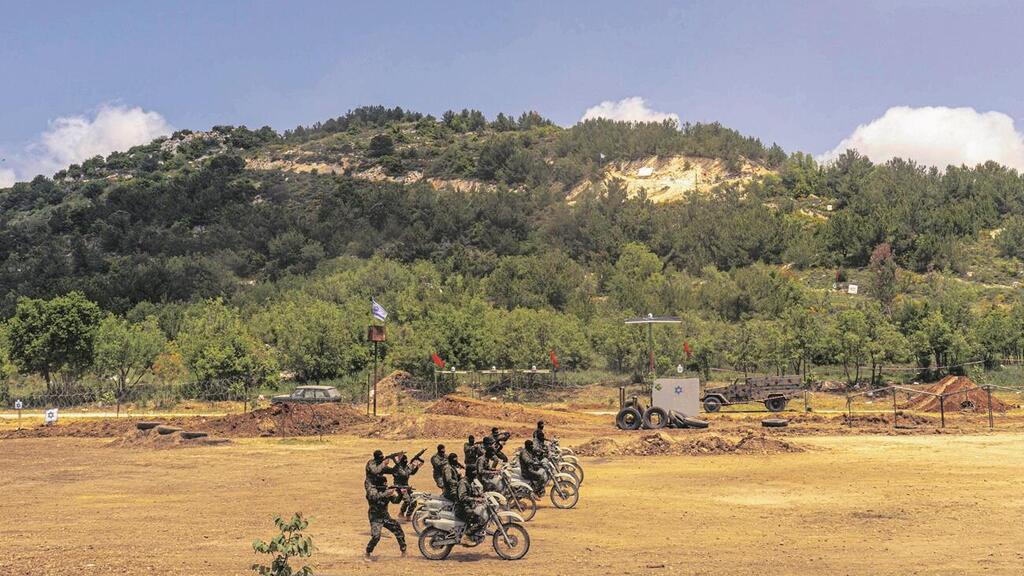
Hezbollah terrorists stage drill simulating the abduction of an Israeli soldier
(Photo: Fatma Jomaa/IMAGO/APA images/Reuters)
It also retains thousands of anti-tank missiles that have not yet been destroyed, as well as anti-ship missiles that threaten Israel’s offshore gas platforms.
Meanwhile, Hezbollah’s elite Radwan force has rebuilt its strength and currently numbers about 5,000 fighters.
These forces are deployed in a more dispersed formation than before, primarily in the “Badr” area north of the Litani River.
Radwan forces are gathering intelligence
Radwan fighters, many operating in anti-tank teams, are positioned about five kilometers from the Israeli border and sometimes even closer.
From there, they gather intelligence on Israeli troop movements and identify targets for short-range rockets and anti-tank missiles.
According to reports in Lebanese and Western media, Radwan operatives use ground observation posts, drones and unmanned aircraft to locate concentrations of Israeli forces operating along the first and second lines of villages near the Israeli border.
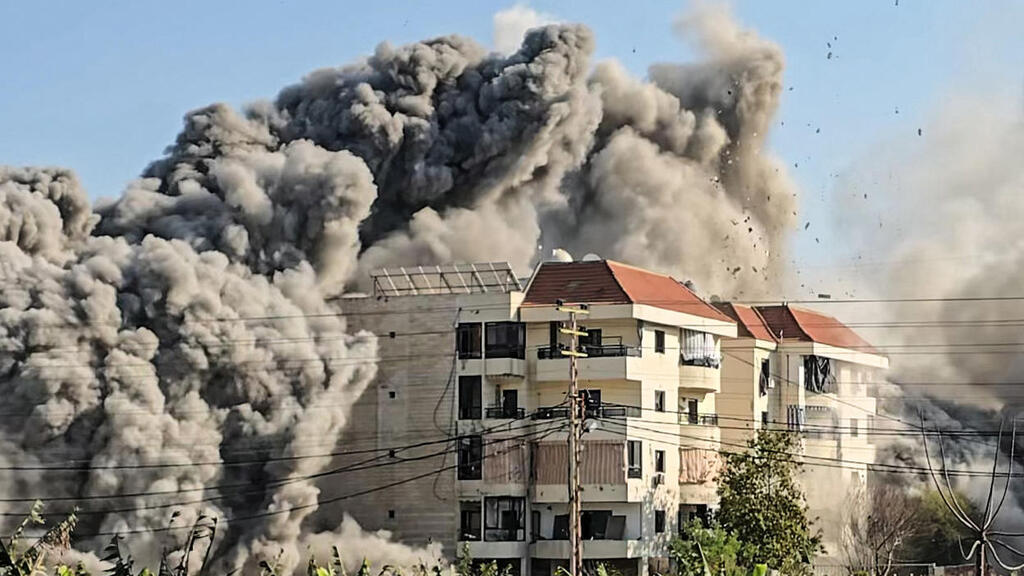
IDF strikes in Lebanon
(Photo: Kawnat Haju/ AFP)
These surveillance methods operate both day and night.
Radwan fighters have reportedly identified logistical convoys and dense troop concentrations, including forces stationed in defensive positions or temporary outposts.
The reinforced Israeli units deployed inside Lebanon generate both physical movement and electronic signals that Hezbollah can detect and exploit.
Radwan forces are launching anti-tank missiles and short-range rockets from areas north of the Litani that were originally intended to serve as staging grounds for Hezbollah’s planned assault into Israel and the capture of parts of the Galilee.
Instead, Hezbollah has returned to these staging areas and now launches attacks from them while inserting small fighter teams closer to Israeli forces in attempts to inflict casualties or capture soldiers.
The Lebanese army is unable to fully stop infiltrations
The number of Radwan units operating in the Badr area has grown significantly in recent weeks.
Some have also crossed the Litani River into areas south of it.
When these movements occur openly, the Lebanese army sometimes intervenes and blocks them. But when the infiltrations occur along hidden routes, the Lebanese military has struggled to prevent them.
Hezbollah also retains the ability to fire Iranian-made Almas anti-tank missiles.
These missiles are essentially copies of the Israeli Spike missile and can be guided with high precision using an optical guidance system, allowing them to be launched from concealed positions both day and night.
Hezbollah is acting independently of Iran
Unlike the situation during earlier phases of the war, Israeli operations in Lebanon have created what appears to be a complete disconnect between Hezbollah and Iran.
As a result, Hezbollah is currently acting independently rather than in coordination with its Iranian patron.
Nevertheless, the organization appears increasingly prepared for a prolonged guerrilla campaign on both sides of the Litani River.
Three efforts Israel must undertake
This situation requires three major efforts from the IDF.
The first and most important is intensified intelligence collection using any resources that can be diverted from the Iran front. The goal is to locate Hezbollah anti-tank teams, launchers and mortars operating near and around the Litani River.
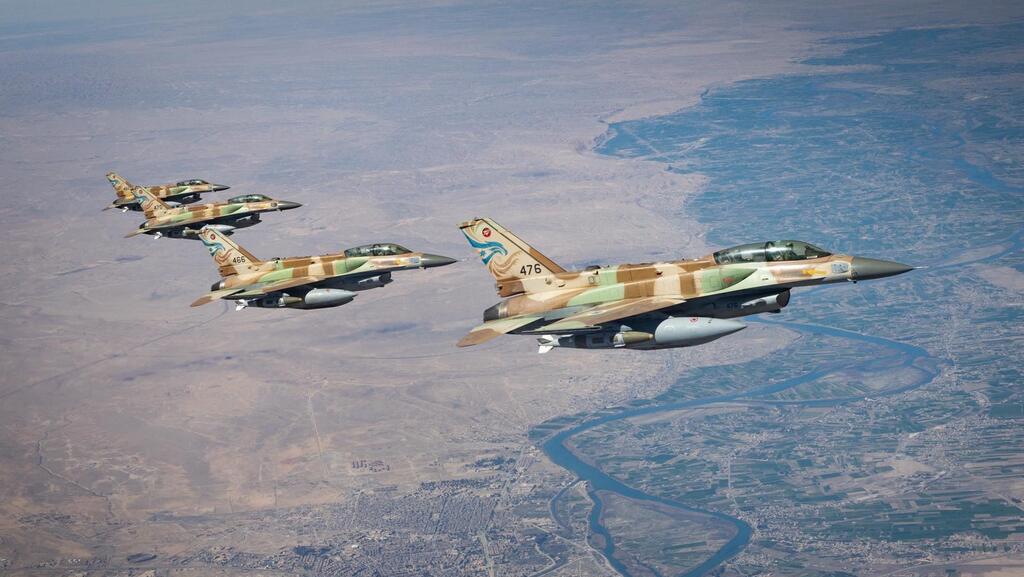
Israeli Air Force
(Photo: IDF)
The second effort is rapid and sustained firepower to protect Israeli forces on the ground.
This would include aerial strikes and artillery barrages targeting areas from which Hezbollah might launch attacks, even when precise intelligence is lacking.
However, every aircraft assigned to operations in Lebanon — whether drones, helicopters or fighter jets — is one fewer available for the campaign against Iran.
That means both intelligence and firepower must be balanced between the two fronts.
The third effort concerns the operational conduct of Israeli troops deployed in forward positions inside Lebanon.
This requires smoke screens, smaller and more dispersed troop movements, and heavy artillery cover for all maneuvering forces.
Without these measures, Israeli forces risk continuing casualties.
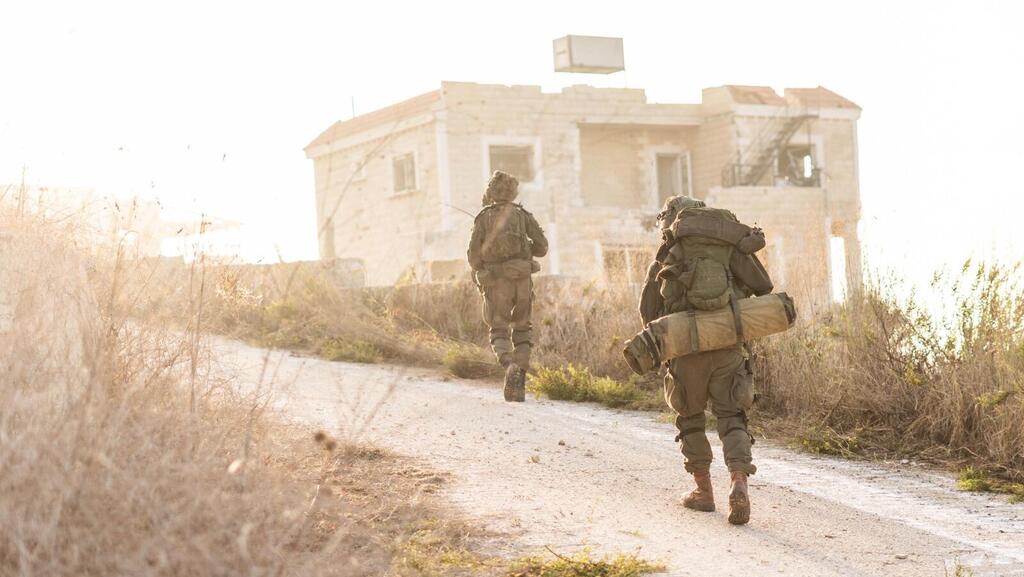
IDF forces in Lebanon
(Photo: IDF)
A possible large ground maneuver
Hezbollah’s heavier rocket and drone units are currently causing less damage because Israel’s air defense systems have significantly improved and are intercepting most launches.
The greater threat comes from anti-tank missiles and short-range launchers targeting Israeli forces on the ground.
The ultimate solution may be a major ground maneuver deep into Lebanon, targeting Hezbollah launch zones in the Badr area — between the Litani and Awali rivers — as well as areas near Beirut and the Bekaa Valley.
However, as long as the campaign against Iran continues, Israel must prioritize that front and wait until conditions allow for such a maneuver, if it is still necessary.
There is also a possibility that if the Iranian regime begins to weaken or collapse, Hezbollah may reconsider its strategy and halt its attacks.
Pressure from Lebanon’s population — including more than half a million Shiite residents displaced from southern Lebanon and Beirut’s southern suburbs — could also eventually push Hezbollah toward restraint and make a large Israeli ground offensive unnecessary.