


The Israeli cabinet's decision last night reflects a calculated and strategic approach to the complexities of the ongoing conflict with Hamas. Analyzing the decision in depth reveals two primary objectives being pursued under the leadership of Prime Minister Benjamin Netanyahu:
- Gradual Escalation to Pressure Hamas Back to Negotiations: The government aims to apply a measured and escalating form of pressure on Hamas to return to substantive negotiations, ultimately seeking either a partial or comprehensive deal for the release of hostages and cessation of hostilities. This strategy is designed to avoid exacerbating risks to the hostages while also sidestepping the immense human and military toll that would accompany an intense ground assault on densely populated urban centers like Gaza City and its central camps.
- Outlining Terms for Ending the War and Post-War Governance: For the first time, Israel has formally articulated the conditions under which it would agree to end the conflict in Gaza, as well as its plans for the "day after." While publicly framed as an "ultimatum" to Hamas, this declaration is, in reality, an acknowledgment of international pressure, particularly from the United States and other mediators, for Israel to engage in negotiations. Until now, Netanyahu and his government had resisted such calls, but the five-point "ultimatum" presented by the cabinet signals a reluctant but evident shift toward diplomacy. It indicates that Israel is not only open to negotiations but already engaged in a process to conclude the war, should the current military threats fail to compel Hamas to comply.
Military implications and the current ground strategy
From a military perspective, the cabinet's decision does not represent a significant departure from the status quo. Israeli forces are not currently required to launch a full-scale ground operation into Gaza City. Instead, they are maintaining positions on the outskirts of three key enclaves that have yet to be penetrated. This approach closely mirrors the "siege and attrition" strategy recommended by IDF Chief of Staff Eyal Zamir which Netanyahu initially rejected but is now being implemented de facto.
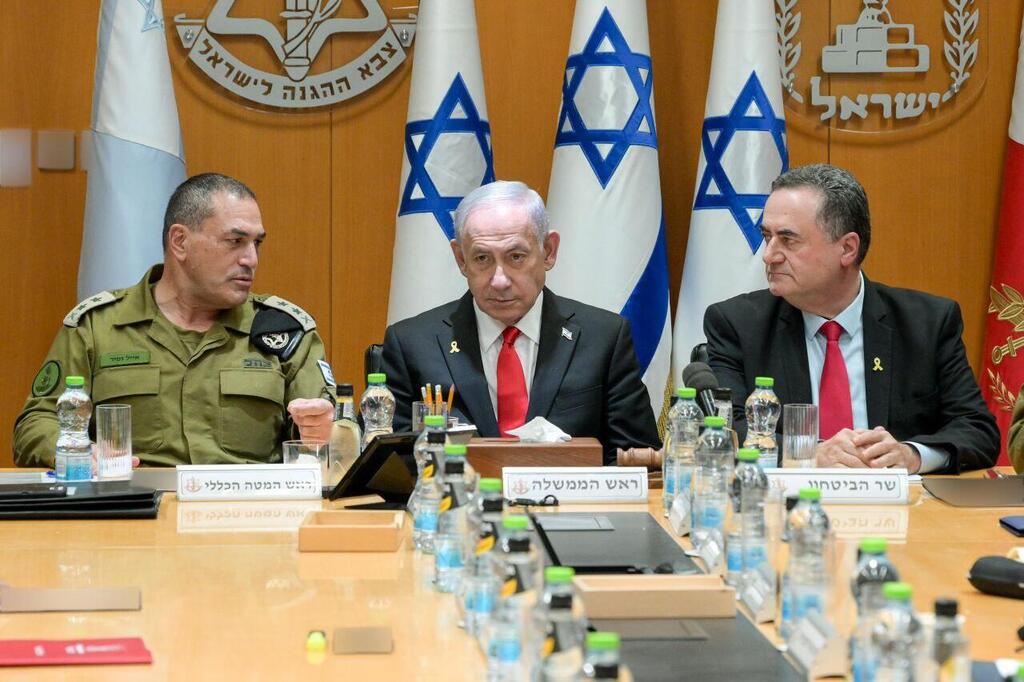
The ongoing strategy involves encircling and depleting Hamas-controlled areas while systematically dismantling its military infrastructure both above and below ground. The most significant point of leverage currently in play is the evacuation of Gaza City’s civilian population and the implicit threat of a ground invasion should Hamas refuse to engage in negotiations. This dual-pronged approach combines military and psychological pressure on Hamas leadership.
Humanitarian and strategic considerations
Two additional mechanisms of pressure include relocating evacuated civilians to areas between the Philadelphi Corridor and Morag Corridor, where temporary shelters and humanitarian aid distribution centers are being established. However, concerns remain that Israel may struggle to provide adequate temporary accommodations for the displaced population in southern Gaza.
If the evacuation proceeds as planned, it would remove 800,000 to 1 million residents from Hamas’s control, including the influence of key Hamas military and civilian leaders, such as Gaza Brigade Commander Izz al-Din al-Haddad and his counterpart Raed Saad. These leaders are currently driving Hamas's hardline negotiating stance. The cabinet's announcement that Gaza City will be evacuated and potentially conquered within two months represents a direct challenge to their authority and control. Should the IDF move forward with a ground operation, these leaders risk being trapped underground for an extended period.
International perception and diplomatic fallout
The international response to Israel’s strategy has been mixed, with key allies like Germany imposing arms embargoes and others, such as the United Kingdom, expressing concern. The global community appears to have misunderstood the cabinet’s decision, interpreting it as a prelude to an imminent, large-scale invasion. This miscommunication is partly attributed to Netanyahu’s rhetoric, which, along with statements from figures like Smotrich and Ben Gvir, has created the impression that Israel is on the brink of asserting full control over Gaza.
Destruction in Gaza
(Video: Reuters)


Nevertheless, Hamas appears to grasp the implications of Israel’s actions. Statements from Hamas officials abroad indicate an understanding of the evolving reality: Israel’s measured approach, its unwillingness to immediately conquer Gaza, and its ultimate intentions. This recognition may push Hamas to reconsider its current stance and return to the negotiating table to avoid facing the full brunt of Israel’s military threat.
Risks and long-term considerations
The most significant flaw in the cabinet's decision is the extended timeline it allocates for the evacuation and potential military takeover of Gaza City. During this period, the hostages remain at risk, enduring harsh conditions underground. Even if Hamas were to agree to negotiations today, the process of reaching a comprehensive agreement—including the cessation of hostilities, post-war governance, and Hamas’s disarmament—would likely take months. This prolonged timeline exacerbates the suffering and dangers faced by the hostages.
From a humanitarian perspective, the cabinet's decision represents a shift in Israel’s approach to the civilian population of Gaza. Under pressure from the United States and other international actors, Netanyahu’s government is taking steps to ensure that displaced Gazans and those remaining in their homes receive food, water, and medical care on an unprecedented scale. By establishing additional aid distribution centers secured by the IDF, Israel aims to regain some of the legitimacy it has lost in recent months due to its perceived failures in humanitarian aid distribution.
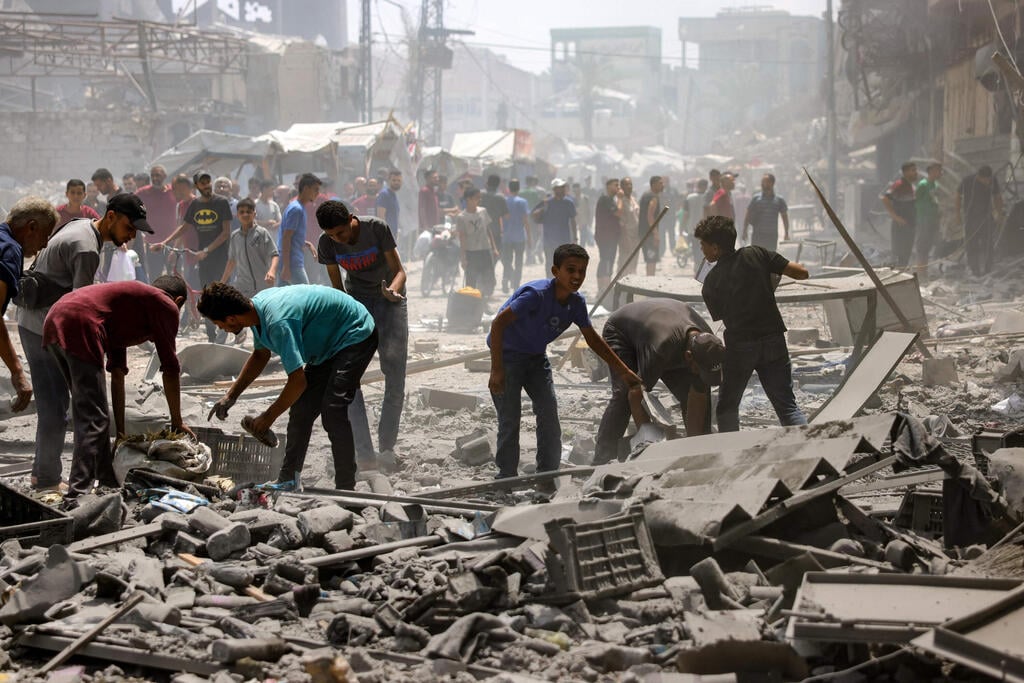
(Photo: BASHAR TALEB / AFP)
Netanyahu’s strategy is a high-stakes gamble. If successful, it could compel Hamas to return to the negotiating table within weeks, thereby avoiding further bloodshed and potentially securing the release of hostages. However, the extended timeline and reliance on indirect pressure leave room for significant risks, including the possibility of prolonged suffering for the hostages, further international condemnation, and the potential for the conflict to escalate.
The cabinet’s decision reflects a delicate balancing act between military necessity, humanitarian responsibility, and diplomatic considerations. Whether this strategy will achieve its objectives without further destabilizing the region remains uncertain, but it underscores the intricate interplay of geopolitics, military strategy, and international diplomacy in one of the world’s most intractable conflicts.