

The world is entering an era of electric acceleration. From electric vehicles and renewable energy installations to massive data centers and smart home devices, every sector consumes unprecedented amounts of metals: copper, lithium, nickel, cobalt, silver and gold.
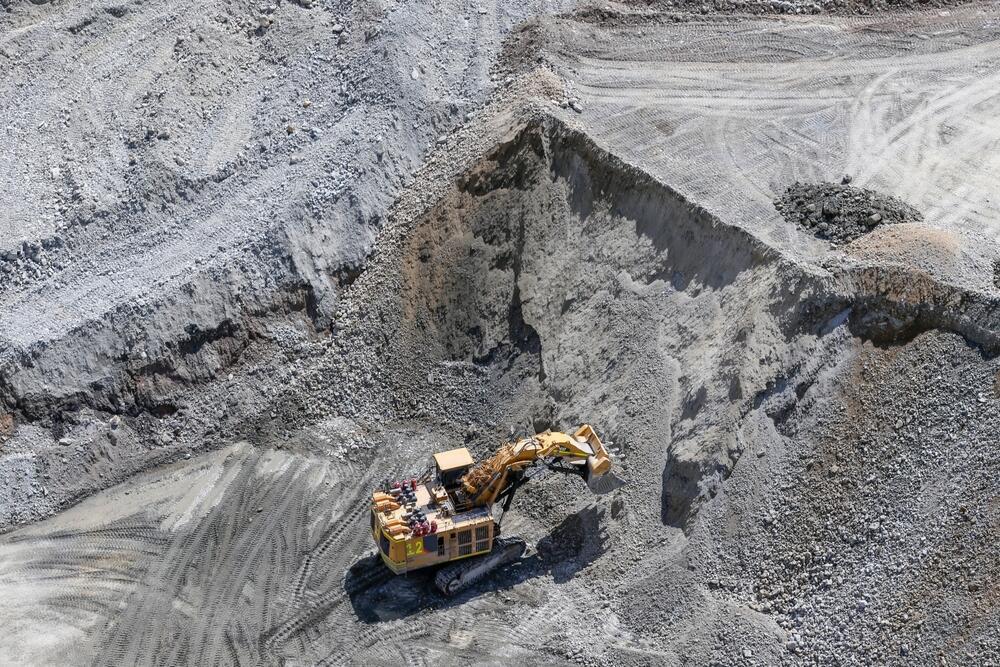
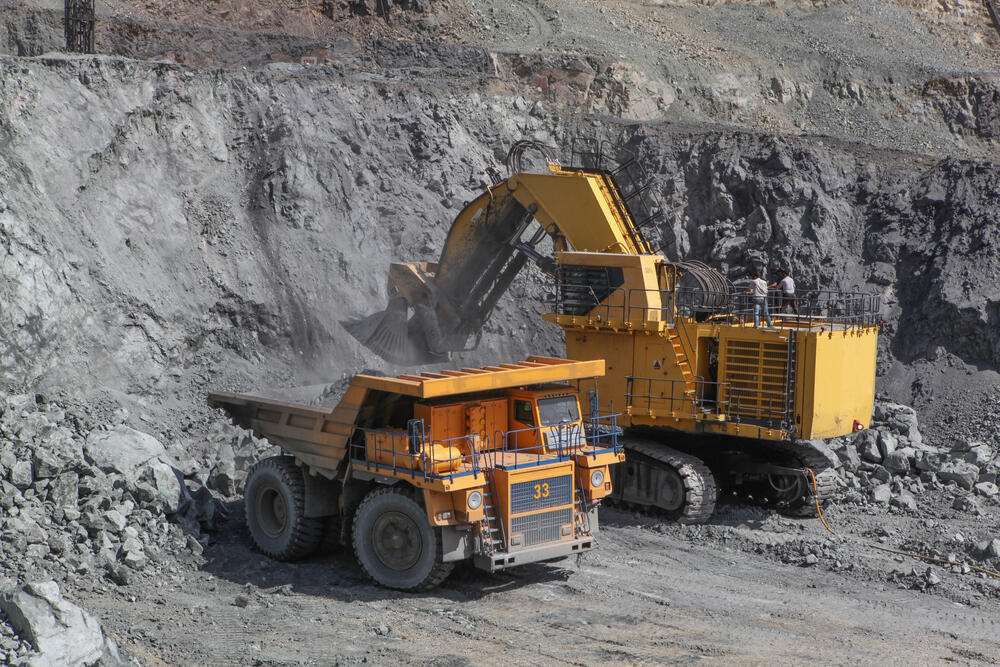
As demand soars, supply is struggling to keep up. Ore quality is declining, mining projects are becoming more challenging and prices are increasingly volatile. Demand for copper—the “lifeblood” of the electric economy—is expected to double by 2030, even as metal concentrations in many mines drop below 0.5%, making each ton more expensive to extract.
But the problem is not just technical or geological—it is also geopolitical. China has become a dominant power not only in mining but, more importantly, in refining—the final and most strategic stage of the value chain. Even when reserves are discovered in the West, they are often sent to China for processing and return as finished products.
The United States has already recognized this as a national security challenge, imposing tariffs and encouraging regulations to enable the development of domestic refining capabilities. Furthermore, the Trump administration recently announced nearly a billion dollars in funding for ventures engaged in mining, processing and manufacturing of critical minerals, in a bid to reduce the country’s dependence on imports.
Israel has a direct stake in this challenge. Local industries—particularly the defense sector—consume vast amounts of metals. A recent report by the Energy and Infrastructure Ministry underscored this urgency, noting that Israel, too, depends on "critical minerals." Projections suggest that by 2050, the country will require around 2.7 billion tons—an immense demand for a nation without an active mining industry. This daunting reality also opens fertile ground for innovation.
(Photo: Shutterstock)
Breaking free from vulnerable supply chains requires a technological leap—one that enables metals to be processed more efficiently, cleanly and cost-effectively, including in the West. This is where Israeli startups can step in. While Israel lacks mines, it holds a clear edge in transformative domains such as green chemistry, electrochemistry, membranes and artificial intelligence. Leveraging these strengths, Israel can help reinvent metal processing—transforming it from a traditional, energy-intensive and polluting sector into one that is efficient, sustainable and far cleaner. Three promising directions for innovation are already emerging:
- Energy efficiency – Technologies that enable refining at lower temperatures, predictive maintenance and process optimization using AI.
- Cleaner chemistry – Transitioning from polluting processes that require high-temperature smelting and toxic chemicals to processes based on safer solvents, lower temperatures, non-toxic catalysts and recycling of chemicals used in mineral refining.
- Circular economy – Technologies for optimizing mining tailings, recycling electronic waste, vehicle batteries and solar panels—allowing valuable metals to be reused instead of mined anew. Recycling has an additional advantage: if done in Israel, material availability will not depend on foreign suppliers, and it provides a way to obtain materials not found in Israel’s soil.
Young Israeli companies are already emerging with such areas, attracting significant global interest. Israeli innovation and agility can deliver solutions within a reasonable timeframe. Israel also has a major player in natural resource extraction—ICL. Startups should draw on the deep expertise of local industrial players, and at the same time build global partnerships where local know-how is insufficient.
A clear national policy is essential to foster technological innovation in the mining sector. This should include support for academic research, incentive packages for startups in mining and processing, dedicated pilot programs, and regulatory flexibility for new technologies. At the same time, incentives should be directed toward customers who adopt products made with innovative local technologies or minerals of Israeli origin. Public-sector buyers—such as the defense establishment or government ministries—can play a critical role in signaling confidence to the market. Complementary tools such as tax incentives or financing assistance for infrastructure purchases should also be considered.

Yael Weisz-Zilberman and Gideon Friedmann
(Photo: NetZero Tech Ventures)
Recycling warrants special attention, as it could become a vital source of materials otherwise unavailable in Israel. Advanced recycling processes are capable of recovering high-quality metals from waste, yet they often suffer from low profitability. A strategic national approach is required—encompassing regulation, data, funding, and dedicated infrastructure. Given Israel’s already limited recycling capacity, this domain demands particular focus and investment.
The critical minerals crisis threatens not only the global transition to clean energy and electrification, but the stability of global industry as a whole. Yet it also offers Israel a unique opportunity to lead in a field that has received little attention locally until now. By investing today, Israel can extend its ‘Startup Nation’ edge into another vital climate-tech domain—shaping not just the future of code and software, but also the processing of the raw materials that power the new economy.
- Yael Weisz-Zilberman is VP of Business Development, and Gideon Friedmann is the CTO at NetZero Tech Ventures, an investment and venture-building firm specializing in energy and climate tech.