

Germany’s far‑left party Die Linke has been one of the more remarkable stories in global politics over the past two years. After failing to clear the 5 percent threshold to enter the federal parliament in the 2021 election, party leader Sahra Wagenknecht left and founded a new party with a more pro‑Russia line, opposed to immigration and in favor of leaving the European Union.
Die Linke suffered from the split: it failed in the European Parliament elections and in state elections in the eastern states, its former power base, and all signs pointed to Die Linke staying out of parliament in the 2025 elections.
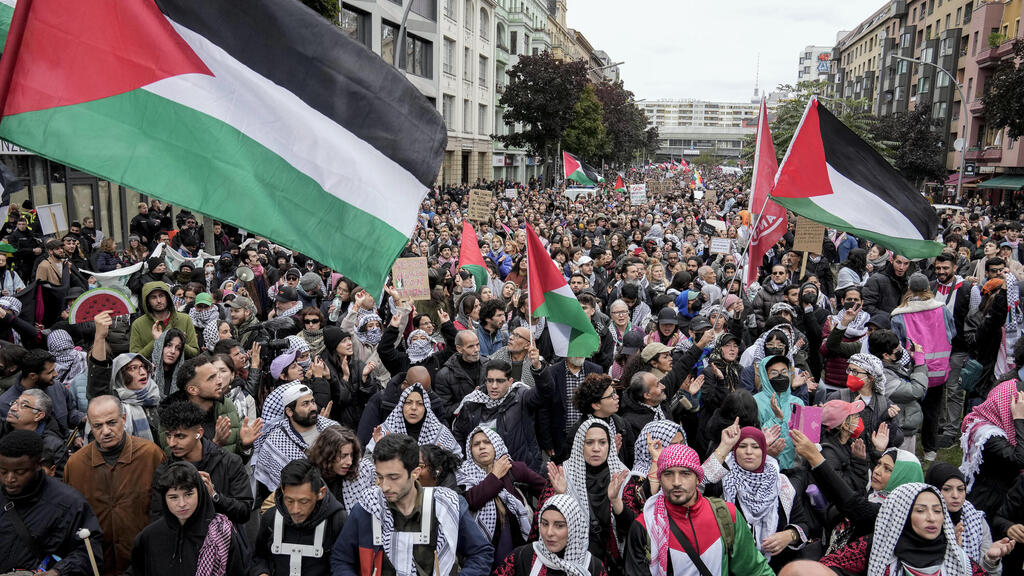
Protest in Berlin
(Photo: AP Photo/ Ebrahim Noroozi)
But shortly before the vote the turnaround began. Die Linke took over social media, went door to door and spoke with voters about their everyday concerns: cost of living, housing shortages, energy. It set itself apart from other parties, presented a united front without leadership infighting, positioned itself as an alternative to the far‑right Alternative for Germany (AfD) and to conservatives who sought to mimic it, and adopted a position on the war in Ukraine that was oppositional to Putin and the invasion but also against arming Ukraine while acknowledging that Russia views NATO expansion eastward as a security concern. The party received 8.8 percent of the vote and won a majority among voters ages 18‑24 and 25‑34.
That success should be qualified: most of its support came at the expense of other left parties such as the Greens and the Social Democrats, while the AfD itself won 20.8 percent of the vote and came in second among young voters. These two parties became the biggest symbols of disgust with traditional parties, polarization and the drift to extremes. Part of the left’s strong showing, especially among young and Muslim voters, stemmed from Die Linke’s prominence in protests against Israel and the war in Gaza. The party voted to adopt an antisemitism definition that distinguishes criticism of Israel from antisemitism. But the party’s youth wing reflected violent and antisemitic protests across Germany — protests that called for the destruction of Israel, the killing of Jews and brought terror to campuses and other parts of German life — describing Israel as a “racist colonial state carrying out genocide.”
In the most serious instances members of the party downplayed the actions of Hamas on Oct. 7. Keffiyehs, flags, scarves and Palestine pins became fixtures at party conventions. In October 2024 five members of the Berlin state parliament left the party after disagreements over the party’s stance on antisemitism and Israel’s right to defend itself. And it did not end there: in August, Martha Wöhrich, one of the party’s spokespeople, compared Gaza to the Holocaust. After 52 Jewish children were removed from a plane in Valencia, the social media account of the left youth in Frankfurt wrote: “We regret to inform that the children were not removed while the plane was in the air.”
At the party’s youth conference in November, members who took a positive view of Israel or a view seen as insufficiently tough faced public threats, insults and physical attacks. One delegation left early because of threats, and another from Thuringia changed hotels and departed a day later after party chat messages circulated saying, “Don’t let Thuringia sleep, we know where their rooms are.” “We don’t know how to go on from here,” a Thuringia delegate wrote before the group left.
Instead of calming the situation and addressing the toxic atmosphere within the party or showing concern for the safety of Jews in Germany, Jan van Aken, one of the party’s two leaders, chose to inflame it further. In recent remarks, even after the cease‑fire, van Aken said Israel could no longer rely on automatic support from Germany because of the shift in public opinion in his country. In response, I would say that van Aken, like leaders of other left parties around the world, sees the world through the rabbit hole of his own party: a party of 8 percent that thinks it dictates public opinion in Germany. Meanwhile a party that calls itself Alternative for Germany is leading the polls with more than 25 percent support (yes one in four German voters intends to vote for a fascist party). And paraphrasing Howard Stern on Roger Waters: Jan van Aken, before you fix Israel, first fix Germany.
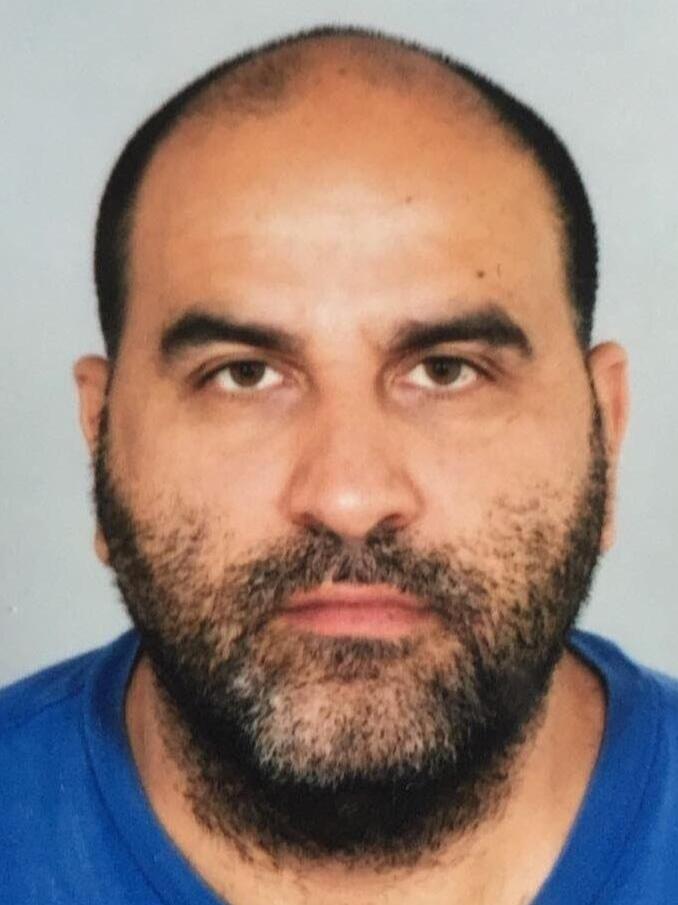 Zeev Avrahami
Van Aken’s second claim veers into tragicomedy. He argues Germany should impose an arms embargo on Israel and impose economic and trade sanctions and extract a price from it. All these statements came about two weeks after Israel’s first Arrow air defense systems were deployed at a German air base in the east and the same week Germany announced the purchase of additional Israeli Arrow systems worth 3.1 billion euros to strengthen Germany’s air defense. Yet van Aken wants a weapons embargo on Israel. What a sad joke.