

Theodor Herzl’s Altneuland, The Old-New Land, was not just a utopian novel; it was a syntax of resurrection. He believed that if a people could imagine itself in its own grammar again, it could re-enter history. A century later, the dream has come true in geography but not yet in consciousness. We built the land; we have yet to rebuild the language of the soul that sustains it.
Zionism restored Jewish power; Hebraization must now restore Jewish purpose. The old-new land stands. What we need is the old-new idea.
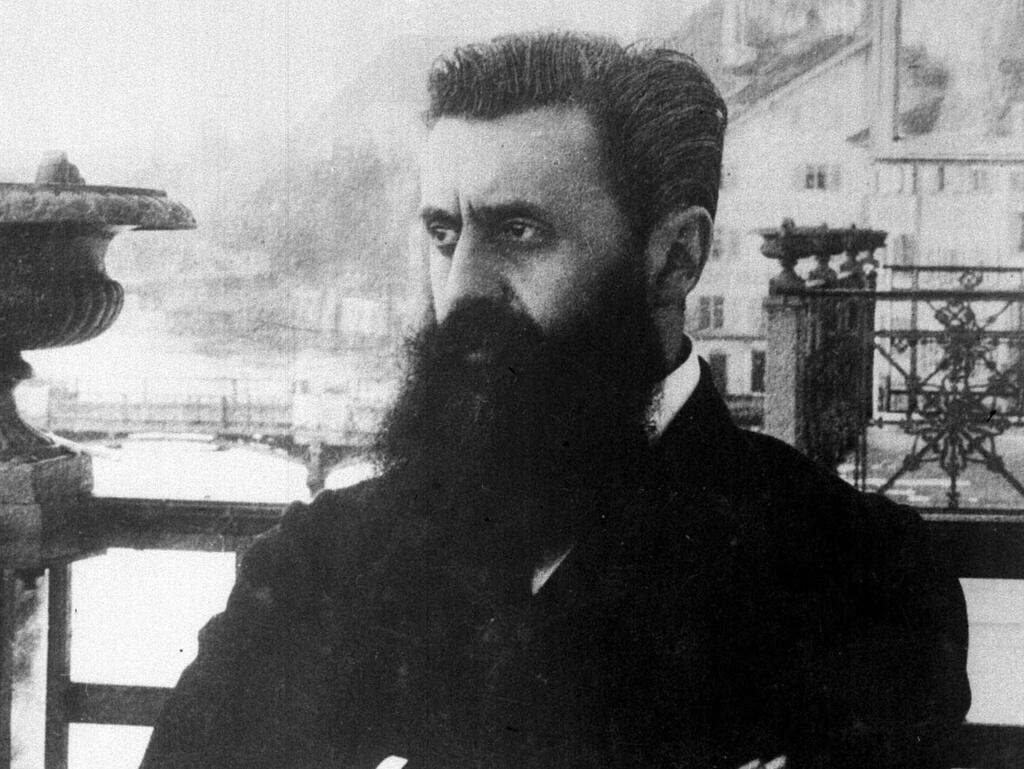
When the State of Israel was born, the Jewish people performed the most astonishing political miracle of the modern age. A nation exiled for two thousand years returned to sovereignty. But every revolution, once achieved, risks exhaustion. The generation that built the state dreamed in verbs: to plant, to fight, to build. Their children inherited the nouns: state, army, flag. Power replaced purpose. What was once revelation hardened into routine.
Hebraization is the next phase of Zionism: a civilizational upgrade from body to breath. It is the recognition that statehood was the first floor of Jewish renewal, not the penthouse. Zionism answered the question of where the Jewish people should live; Hebraization answers how. It is the process of re-teaching Jews everywhere to think, feel and create in the language that made them a people.
Language is never neutral. It is the architecture of thought. In Hebrew, words grow from roots that bind ethics to existence. Rachamim—compassion—shares a root with rechem—womb. Emunah—faith—means craftsmanship. To speak Hebrew is to be reminded that morality is not theory; it is born. For two millennia, we borrowed other vocabularies, living in translation. That translation became exile of the mind. Hebraization is the homecoming.
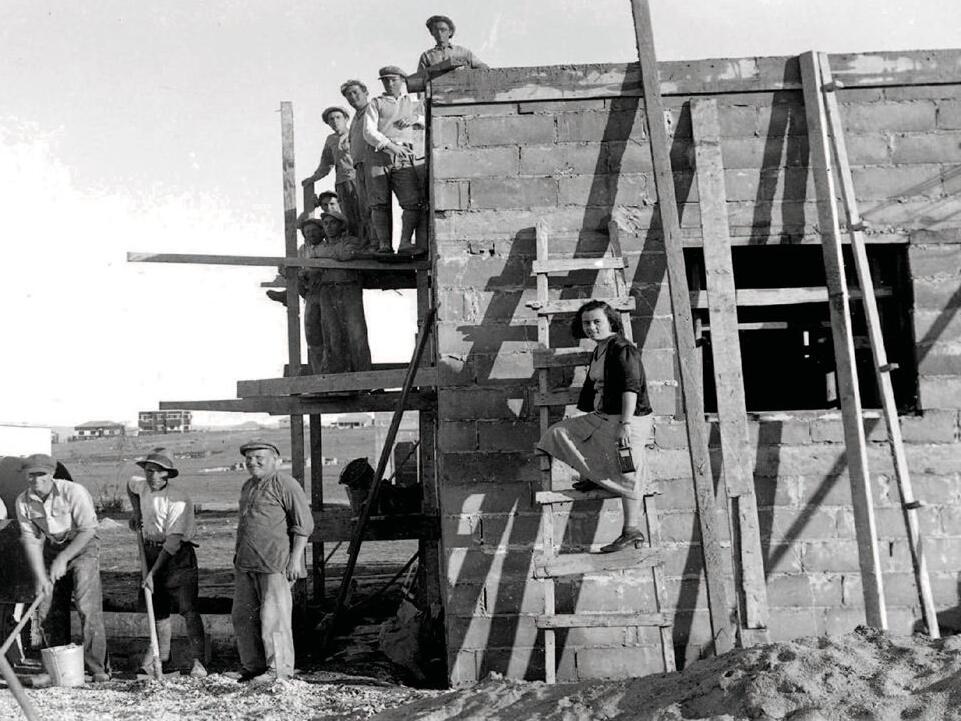
The first Zionists reclaimed soil
(Photo: GPO)
The first Zionists reclaimed soil. The next must reclaim syntax. Ben-Yehuda revived Hebrew speech so a nation could converse; our task is to use that speech to converse with destiny. Every civilization that endures learns to update its software. The Jewish people already proved we can reboot geography; now we must reboot meaning.
Hebraization is not an academic project or a branding exercise. It is a way of life—discipline disguised as culture. It happens when Israelis read Yehuda Amichai aloud before battle, when diaspora schools teach Shalom as wholeness instead of handshake, when a Tel Aviv designer hides a letter shin in a logo, when a vineyard in the Negev names its wine Tikvah. Each is a conjugation of survival. Each rewrites sovereignty in daily grammar.
Herzl’s generation built congresses; ours must build consciousness. The tools differ, printing press to algorithm, but the goal is the same: to prove that prophecy is practical. Artificial intelligence can now speak Herzl’s words in his own voice; the miracle will be complete only when it can speak them in ours. Technology must become an instrument of return, not distraction. The digital realm can either scatter the Jewish mind or sanctify it. In Hebrew, devarim means both “words” and “things.” Speech creates substance. To flood the internet with Hebrew thought is to build a virtual Jerusalem.

We must reboot meaning
(Photo: Shutterstock)
The AltneuDream rests on five pillars: language, body, land, spirit and art. Language is the atmosphere; it gives everything else breath. Body—the Maccabean inheritance—reminds us that holiness requires endurance. Land is covenant made visible; planting remains a sacrament. Spirit is movement, not monument; Judaism’s God lives in verbs. And art is civilization’s self-portrait; beauty is the proof that survival has matured into culture. When these pillars align, the Jewish people speak again in complete sentences.
Education is where that alignment begins. A Hebrew school is not a heritage center; it is an embassy of the future. To study Hebrew is to study responsibility. In the language of the prophets, verbs carry obligation. Zachor—remember—is a command. Lehiyot—to be—contains past, present and promise in one word. A child who learns this grammar inherits not only identity but direction. Knowledge becomes covenant rather than credential.
Critics sometimes fear that Hebraization implies nationalism over universality. The opposite is true. Hebrew thought expands moral imagination because it refuses to sever the sacred from the practical. In English, justice is procedural; in Hebrew, tzedek is poetic. It demands rhythm, proportion, mercy. A world fluent in Hebrew ethics would speak less of rights and more of responsibilities. Hebraization is not retreat into tribalism; it is the Jewish contribution to planetary sanity.
The Diaspora, too, is part of this grammar. A Jew in Toronto teaching their child todah participates in the same covenant as one harvesting grapes in the Negev. Geography no longer defines belonging; language does. Hebraization turns distance into dialect. The diaspora becomes an extension of Zion rather than its echo.
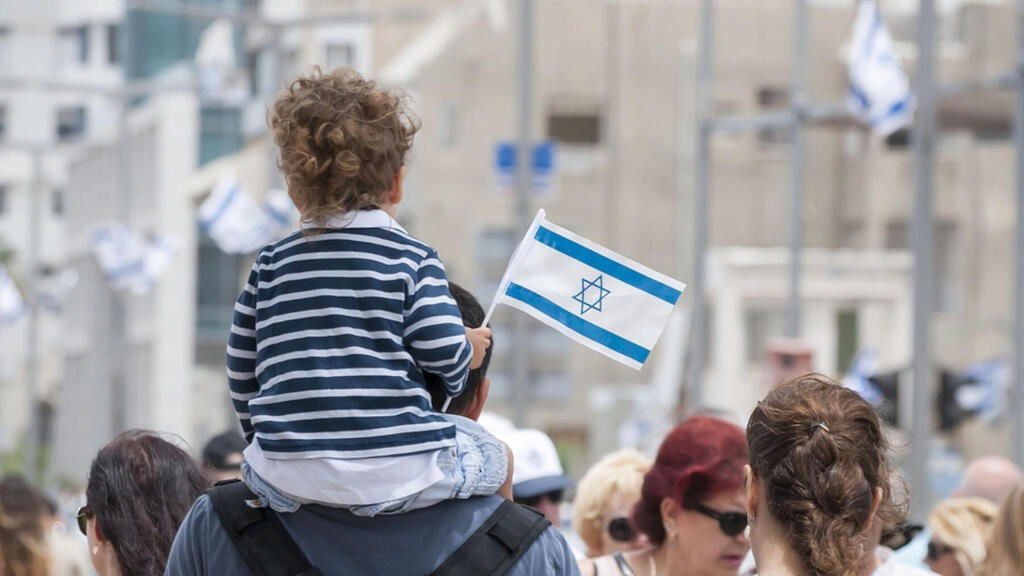
The old-new dream
(Photo: Shutterstock)
This renewal must also reach the marketplace and the arts. The Hebrew economy is not capitalism with a kippah—it is commerce with conscience. When an Israeli tech company names its platform Neshama or a fashion brand stitches Kohelet into its label, they remind the world that profit and purpose can rhyme. Culture is diplomacy; a Hebrew song on a Paris radio carries more legitimacy than a press release.
Philanthropy should follow the same logic. The age of fundraising for survival is over; the age of investing in civilization has begun. We need fewer galas and more grammar—endowments for language teachers, translators, artists and thinkers who keep the covenant articulate. Saving Jews is no longer the mission; teaching Jews—and the world—how to live meaningfully is.
At its core, Hebraization is a moral awakening. It insists that power without purpose decays and that sovereignty without soul is self-parody. The Jewish return to history must be followed by a return to consciousness. We have proven we can defend the land; now we must deserve it. The next revolution will not be fought with weapons or votes but with words—the kind that rebuild reality.
Herzl wrote The Old-New Land to imagine the physical restoration of Israel. The Altneu Idea is its sequel: the restoration of the Hebrew mind. It calls us to think like prophets and act like builders, to measure success not by territory but by texture. Zionism was the resurrection of the body; Hebraization is the resurrection of breath. Together they form a single organism—a civilization that speaks, and therefore lives.
- Adam Scott Bellos is the Founder and CEO of The Israel Innovation Fund (TIIF) and creator of Wine on the Vine, Project Maccabee and The Herzl AI Project. His upcoming book is titled Never Again Is Not Enough: Why Hebraization Is the Only Way to Save the Diaspora. He lives in Tel Aviv.