

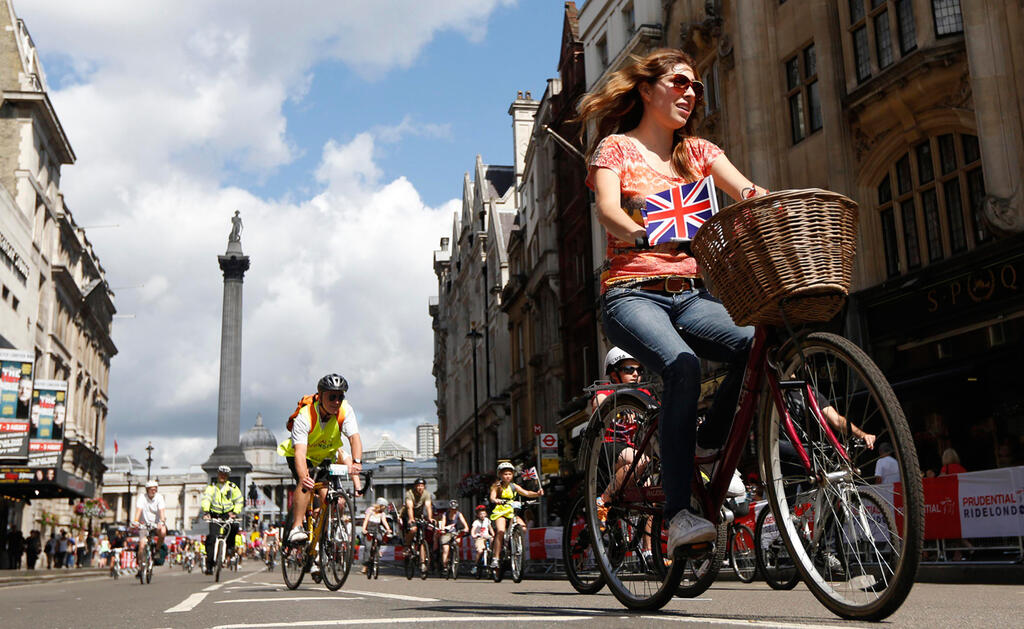
In recent years, London’s cycling culture has changed dramatically. A city once dominated by cars and reliant on excellent public transport is now seeing record numbers of people choosing bikes and e-bikes for daily travel. According to Transport for London, the number of daily cycling journeys has risen by 43 percent since 2019, with an estimated 1.5 million rides every day in 2025. This surge did not occur by accident. Over the past decade, the city steadily expanded high-quality cycleways, working with boroughs to make more protected and connected routes available, and signaling that bikes belong on the streets.
At the same time, shared e-bikes appeared on almost every street corner, making cycling instantly available and convenient. With electric assist, many Londoners found bikes could be faster than buses in traffic and easier than traditional pedal bikes. Today at least one in ten daily cycle journeys in London is made on a dockless e-bike, according to a December 2025 Transport For London report, underscoring how access and infrastructure grew together to reshape urban travel.
Based on our global experience, riders tend to prefer e-bikes for longer trips, while e-scooters remain the top choice for short rides in dense urban centers. The launch of Lime’s latest generation offering, the LimeBike, in Israel expands Lime’s shared mobility offering and gives riders an additional comfortable, efficient option for mid-distance travel. The new LimeBike incorporates insights collected from riders and city partners worldwide.
Londoners embraced shared e-bikes because they removed friction: no need to own a bike, store it, carry it upstairs, or leave it locked overnight, and no constant fear of theft. But that adoption did not happen in a vacuum. Over the past decade, the city steadily invested in cycling infrastructure, expanding protected lanes and signaling that bikes belonged on city streets.
When shared e-bikes reached real scale, they met a city already primed for change. Electric assist made cycling faster than buses in traffic, more reliable than cars for short intra-city trips, and far easier than traditional bikes. Infrastructure and availability grew in tandem in London, reinforcing each other and accelerating public support.
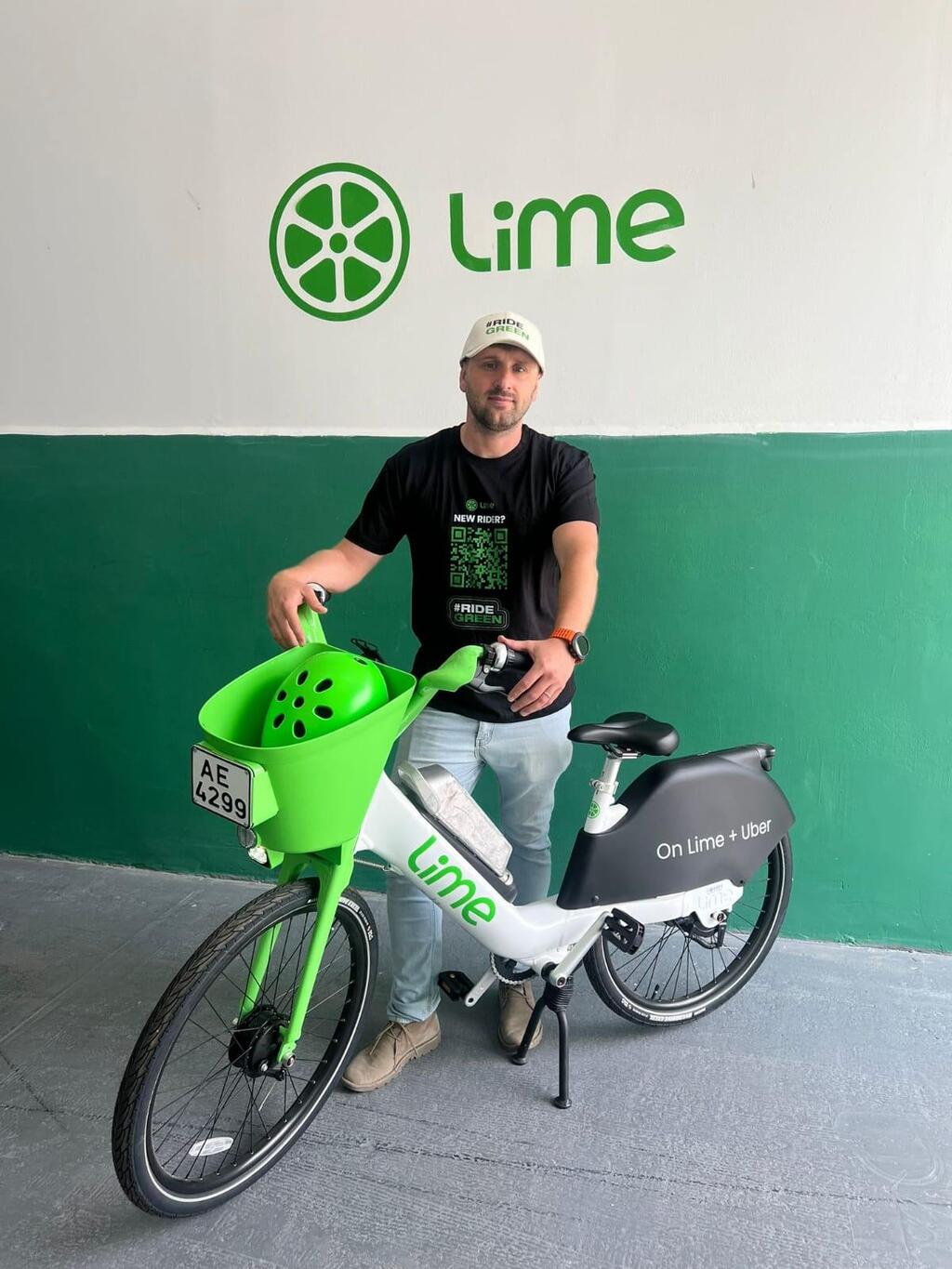
Maxim Moses, General Manager of Lime Israel
(Photo: Courtesy)
Which brings us to Tel Aviv
Tel Aviv already has many of the conditions that support rapid micromobility growth: density, favorable weather, short distances, and a population eager for efficient ways to get around. In recent years, the city and the municipality, under Mayor Ron Huldai and Deputy Mayor of Transportation and Road Safety, Meital Lehavi, have made sustained investments in cycling infrastructure, expanding bike lanes and signaling that two-wheeled transport is a legitimate part of the urban mix. What we’ve learnt from London is that this groundwork matters. What has been missing is what transformed London - large-scale, dependable, widely distributed shared e-bikes available the moment people need them.
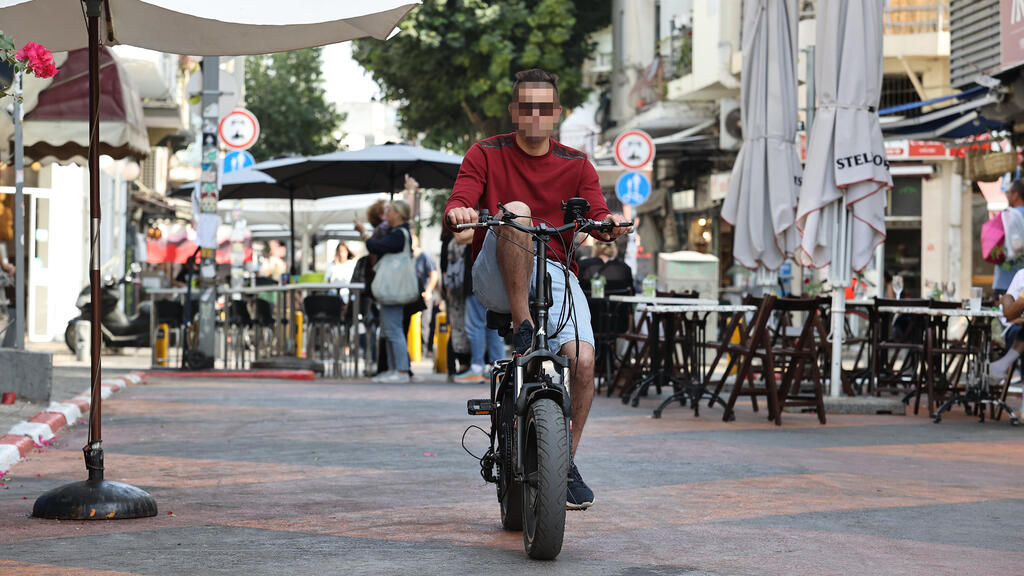
(Photo: Avigail Uzi)
In a city where congestion regularly grinds traffic to a halt and short trips can take an outsized amount of time, pairing infrastructure with reliable access to vehicles can shift behavior quickly. Experience elsewhere shows that when those two elements grow together, demand follows.
When shared mobility reaches true saturation, habits change fast. Riders integrate it into daily routines. Businesses adapt. Streets become friendlier. More people choose small, sustainable vehicles because the experience becomes simple and predictable.
The question for Tel Aviv is not whether residents want to ride. The data shows they already do. According to a 2025 omnibus survey, 27 percent of respondents in Tel Aviv say they already commute by bicycle or scooter, more than double the national average, and 59 percent say they would be willing to use a shared electric bike service if one were available.
 Maxim Moses, General Manager of Lime IsraelPhoto: Courtesy
The real question is whether the city will enable the same shift London experienced by allowing enough shared e-bikes on the streets to make cycling accessible at scale, not just for the committed riders, but for anyone who might choose it when it is nearby, reliable, and easy to use.
If London can become a cycling city, Tel Aviv can too. The demand exists, the culture is ready, and the transformation can happen faster than most expect - once the bikes are available.