

Conventional management wisdom holds that true leadership is tested in crisis — under pressure, threat or failure. But a close reading of the biblical portion Miketz, through the lens of 15th-century Jewish philosopher Rabbi Yitzhak Arama in his work Akeidat Yitzhak, offers a counterintuitive insight: it is not fear, but exposure to kindness, that awakens moral responsibility.
In the story, Joseph’s brothers sit in an Egyptian prison for three days — a textbook setting for regret. They are strangers in a foreign land, imprisoned, helpless. And yet, they say nothing. No confession, no remorse. It is only after Joseph unexpectedly releases them, offers a fair deal, and instructs them to bring food to their families that they say the words: “But we are guilty.”
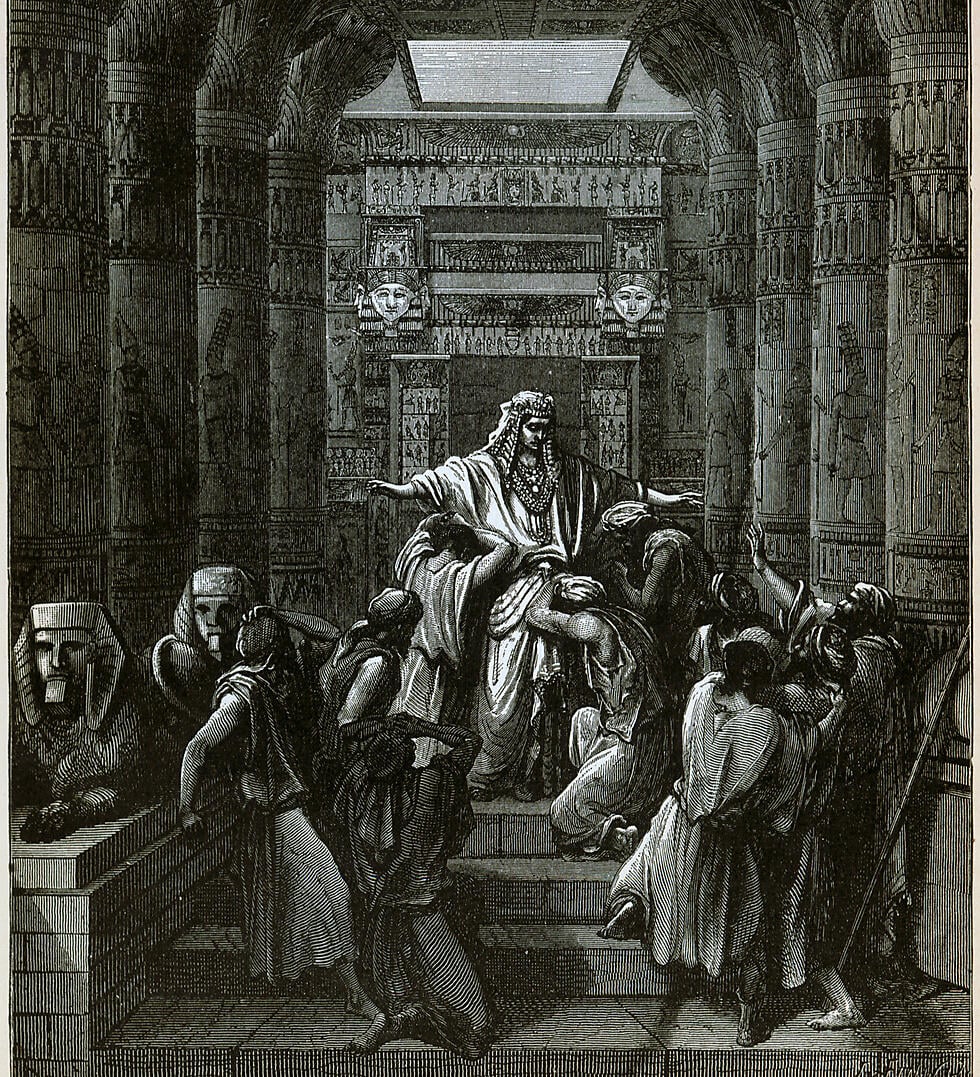
(Photo: Gustave Dore)
Arama asks the obvious: why now? Why didn’t their suffering prompt guilt — but kindness did?
The answer lies in contrast. The brothers saw a foreign ruler — with no family ties, no personal obligation, who had never seen their starving children — act with compassion. It was his initiative, his decency. And in that moment, they remembered their own cruelty: they had seen their brother’s suffering up close — and ignored it.
This dynamic, familiar in moral philosophy, is captured by thinkers like Immanuel Kant, who distinguished between actions forced by external pressure and those driven by inner moral law. Only the latter produces genuine responsibility.
Philosopher Martin Buber took it further: transformation comes not from power, but from relationship. Not when one faces an "It" — a force — but when one encounters a full human “You” who reveals another way of being. Joseph’s brothers were not broken by authority. They were awakened by humanity.
The lesson for leaders is profound: authority, punishment and fear can produce compliance — but rarely responsibility. Employees may hit targets out of fear, organizations may perform under pressure — but without lasting cultural change.
By contrast, a leader who chooses fairness and integrity precisely when holding power creates a mirror — one that leaves no room for excuses. Their conduct quietly demands introspection. It is not slogans, but example, that shapes culture.
I’ve met leaders guided by a clear moral compass. It wasn’t just rhetoric — it shaped the DNA of their organizations, producing trust, commitment, and long-term success: higher employee satisfaction, lower turnover and sustainable performance.
This week offered a striking global echo of this idea: reports emerged of advanced talks between Elbit Systems and the United Arab Emirates on a major defense deal. Beyond economics, it signals legitimacy — from a country once wary of ties with Israel, especially in security. Why the shift? Among other reasons, they witnessed how Israel conducted itself in the Gaza war — under extreme conditions, with clear ethical standards. It’s the fusion of values, accountability and innovation under pressure that builds credibility.
Joseph never scolds his brothers. He doesn’t threaten or preach. He simply acts differently — and they educate themselves. His quiet example, rooted in moral clarity, reignites their conscience.
The brothers didn’t say “we are guilty” in a cell. They said it before a leader who showed them that moral conduct is possible even from a position of power. And that, perhaps, is the deepest test of leadership: not how many people fear you, but how many are willing, because of you, to face the truth about themselves.