

A quiet competition is emerging between Syria and Lebanon over engagement with Israel. Syrian Foreign Minister Asaad al-Shibani met twice in Paris in two months with Ron Dermer, a close associate of Prime Minister Benjamin Netanyahu.
Reuters reports that a separate meeting took place with a “group of Israelis” without Dermer, focusing on additional security issues. U.S. sources suggest Netanyahu could meet the Syrian president next month at the U.N. General Assembly, though neither Jerusalem nor Damascus has confirmed the talks.
Gallery
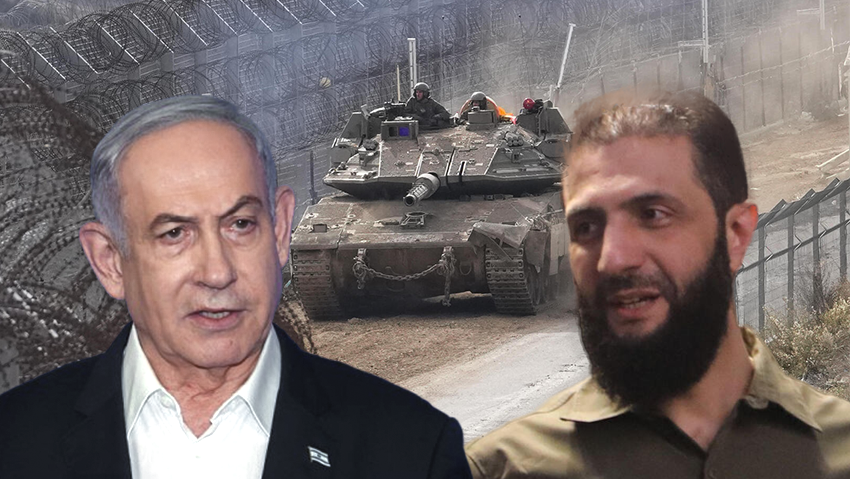
Prime MInister Benjamin Netanyahu and Syrian President Ahmed al-Sharaa
(Photo: Abdulaziz Ketaz/ AFP, Yariv Katz, AP Photo/Matias Delacroix)
In Lebanon, a cautious but notable shift is also underway. President Joseph Aoun, widely seen as one of Lebanon’s least corrupt modern leaders, has hinted at potential peace with Israel. U.S. and Saudi planners are exploring a border-adjacent trade and agriculture zone to foster economic cooperation and share Israeli agricultural expertise. Aoun told Saudi Al-Arabiya TV, “All options are open,” and stressed that if the 2002 Saudi peace initiative bears fruit, Lebanon would not object to joining Arab-Israeli normalization. He denied any secret meetings between Lebanese officials and Israel.
Lebanon still faces pressure from Iran, unlike Syria, which expelled Quds Force units under Assad. Last week, Ali Larijani, secretary of Iran’s Supreme National Security Council, visited Beirut. Aoun received him but warned Iran against interfering in Lebanese affairs. Prime Minister Nawaf Salam contends with a cabinet where five of 24 ministers are Hezbollah-affiliated, and parliament reflects similar sectarian divisions.
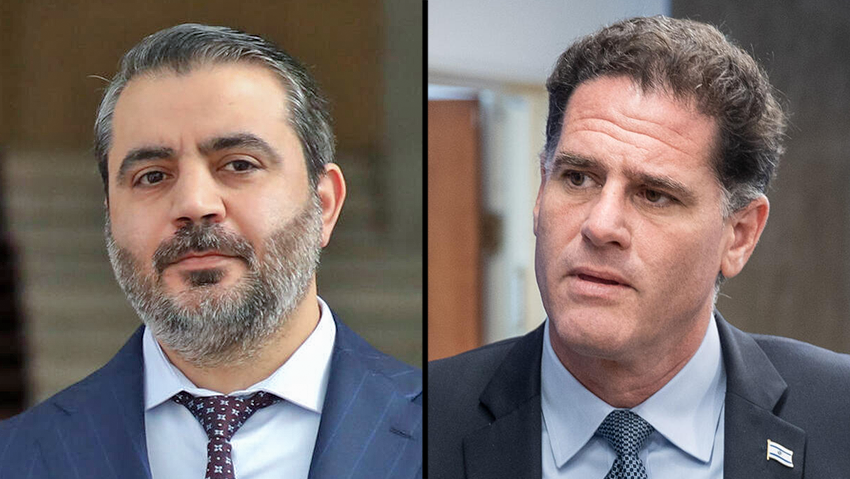
Syrian Foreign Minister Asaad al-Shibani and Ron Dermer
(Photo: Emil Salman, Ali Haj Suleiman/Getty Images)
Hezbollah has weakened since the elimination of its leader, Hassan Nasrallah, though it remains present. Its new secretary-general, Naim Qassem, continues public speeches, though a Beirut academic notes, “No one listens.” Hezbollah has also stopped food distribution in poorer neighborhoods to maintain support, but its influence could further erode if disarmed.
U.S. Ambassador to Turkey, Thomas Barrett, has been tapped to mediate Syria-Lebanon-Israel relations. His proposal envisions Israel halting airstrikes in Lebanon, the Saudi crown prince investing in the border region, and the U.S. jointly overseeing agreements between Beirut and Jerusalem.
Syria remains more complex. Israeli skepticism toward President Ahmad al-Sharaa persists. While Dermer and Israeli experts spent hours meeting with al-Shibani and were impressed, Druze allies on Israel’s northern border warn of continued harm to their communities and stress the urgency of seizing potential openings.