

Scenes seen in recent days on the streets of Europe, the United States and even on the struggling social media networks inside Iran may appear surreal to the average Israeli observer. Crowds of Iranian exiles wave the Lion and Sun flag — a symbol associated with pre-Islamic Republic Iran — and shout “Bibi joon” (literally, “Bibi dear” or “Bibi beloved”).
Why would large segments of a people subjected to decades of anti-Zionist indoctrination admire the leader of Israel? To understand this, one must revisit the historical memory of the Persian people.
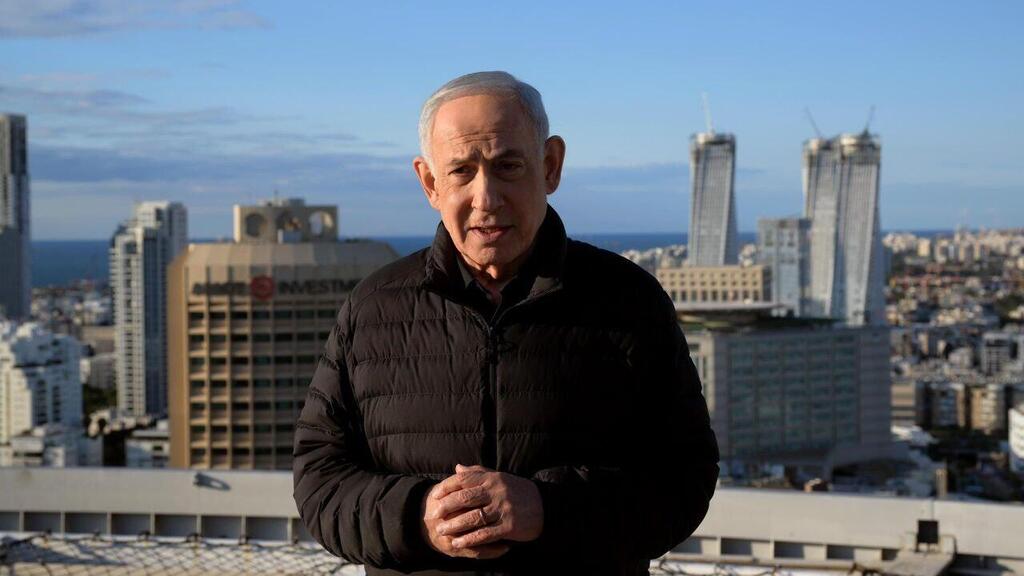
(Photo: Roi Avraham)
The connection between Iranians and Jews is not a matter of fleeting political interests. It is a relationship that stretches back more than 2,500 years. In Persian historical consciousness, Cyrus the Great is not merely a historical figure but a symbol of freedom and justice — the ruler who allowed the Jewish people to return from exile, rebuild the Temple in Jerusalem and practice their faith.
Today, in the eyes of many Iranians, history is turning again. Some view Israeli Prime Minister Benjamin Netanyahu as someone returning a historic favor. If Cyrus saved the Jewish people from exile, Netanyahu is seen by some as a figure who could help redeem the Iranian people from what they view as the internal domination of the ayatollahs’ regime. From this perspective, an Israeli strike would not be seen as a declaration of war against Iran but as a campaign to liberate the country from Islamic rule. Had Israel refrained from acting, some believe that ancient bond would have been gravely damaged.
This phenomenon is not new. During the 12-day war, early signs of such sentiment were already visible. Despite the Iranian regime’s persistent anti-Israel messaging and repeated communication disruptions, videos surfaced online showing young Iranians secretly spraying nighttime graffiti across cities: “Bibi, hit them,” and “Bibi, thank you.” These were not isolated voices but what supporters describe as the cry of a generation that feels captive in its own country.
For years, many Iranians have hoped for a strong external force that could shake the stability of the dictatorship that has ruled them for 47 years.
Many observers ask: If Iranian communities abroad are celebrating, why are there no millions in the streets inside Iran the day after the fall of Supreme Leader Ayatollah Ali Khamenei? Several factors may help explain this:
- Fog of war. The regime has sharply restricted communications to prevent organization and conceal what is happening. Ordinary citizens are operating in near-total informational blackout, and only limited footage from Iran’s streets is emerging.
- Basic survival. The country is under bombardment. As in Israel during wartime, many ordinary Iranians may feel that even if they welcome the fall of a tyrant, their immediate priority is survival and protecting their families.
- Fear of a wounded regime. Security forces and the Basij militia remain armed and active in the streets and along major roads, and they have shown little restraint. Many of these forces understand that the political reality may be shifting and may feel they have little to lose. Reports that some members are hiding in schools after their bases were bombed reflect the pressure they face — but they remain highly dangerous.
- Waiting for leadership. Many in the public appear to be waiting for a signal. Attention is focused on Crown Prince Reza Pahlavi, the exiled son of Iran’s last shah, with some waiting for an official call to take to the streets that would mark the beginning of a new era.
While tense quiet prevails inside Iran under the fog of war, Iranian communities abroad — in Los Angeles, London and Toronto — have erupted with emotion. These are not merely demonstrations of solidarity but an outpouring of feelings accumulated over nearly half a century.
Those standing in the squares and shouting “Bibi joon” are people whose lives have been shaped by the trauma of rule by the ayatollahs. In conversations with Iranian exiles, the same sentiment is repeated: immense relief.
For many, leaving Iran was not a search for a better life but a desperate escape. They left behind homes, careers, culture and memories and were forced to live as political refugees after experiencing the regime’s repression firsthand. Some bear scars from interrogation rooms in Tehran’s notorious Evin Prison. Others watched loved ones led to the gallows simply for demanding freedom.
When members of the Iranian diaspora shout “Bibi joon,” they are not only praising a foreign leader. They are expressing gratitude that someone, at last, dared to crack the walls of the prison in which their loved ones have lived for 47 years.
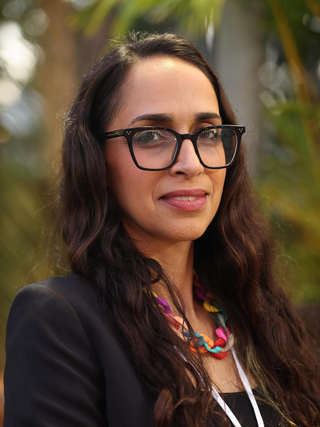 Dana SameahPhoto: Studio Yak
For them, Israeli action is seen as a kind of “surgery to remove a tumor” — a step they felt powerless to carry out themselves. It reflects a burning hope that one day, perhaps sooner than they once believed, they will be able to board a flight back to Tehran, breathe the air of the Alborz Mountains as free people and close a historical circle thousands of years in the making — from the freedom granted by Cyrus to the freedom they hope to reclaim today.
Dana Sameah is a researcher and lecturer on Iran’s street politics and citizen protest movements since the 1979 Islamic Revolution.