

On April 7, The New York Times published an investigation by Jonathan Swan and Maggie Haberman examining the factors that led U.S. President Donald Trump to ultimately decide to join Israel in the conflict against the Islamic Republic of Iran. As the authors note, the reporting is based on interviews with several officials who requested anonymity.
While reading it, one cannot help but wonder about the primary sources behind the narrative. In Washington, speculation suggests that behind what could easily serve as the pilot episode of a White House television series stands U.S. Vice President JD Vance. Through this compelling script, he may be shaping the groundwork for a future presidential campaign, presenting himself as a moderate and diplomatic figure reluctant to engage in armed conflict.
In this sense, considering that the article appears aimed at New York Times readers expecting confirmation of a prevailing narrative — that Trump blindly followed the will of Prime Minister Benjamin Netanyahu — the piece is internally consistent.
However, as an observer of the Middle East, where I live, I found, after several readings, critical cracks in its construction.
First, if the aim was to portray Trump as the “Ugly,” the result is a figure far less authoritarian than expected. Rather than a hawk, as he is described, he emerges more as an American King Arthur, surrounded by twelve knights but lacking a Merlin capable of foreseeing the future. For this reason, while the article repeatedly argues, echoing Vance, that entering the war would betray Trump’s “America First” promise, no one, including Trump himself, could have anticipated such a dramatic escalation in the Middle East. One that would force a redefinition of White House priorities, placing America first on the front line of what could still become a broader global conflict.
If the second goal was to cast Netanyahu as the “Bad,” the investigation ultimately reveals that, amid a striking lack of decisive action by both the U.S. administration and military, Washington reached its final decision to join Israel largely on the basis of intelligence provided by Israel. This is the same intelligence apparatus led by Mossad Director David Barnea, who bears responsibility for the failure that allowed the October 7 attacks to unfold.
Finally, if Vance’s intention was to emerge as the “Good,” what instead comes across is an image closer to that of a hesitant political actor, inadvertently elevating a fourth and unexpected figure: U.S. Secretary of State Marco Rubio. Of Cuban origin, Rubio appears as the only figure in the Situation Room capable of analyzing the crisis in rational and pragmatic terms, presenting it to the “King” without rhetorical framing.
I attempt here to analyze these four archetypes in order to better understand the deeper reasons that led not only President Trump, but also the U.S. military and administration, to join Israel in its confrontation with the Iranian regime.
The bad: Benjamin Netanyahu
The article opens with Netanyahu, portraying his arrival at the White House as that of a determined leader, ready to draw the United States into a military intervention with potentially significant risks.
He presents a four-phase plan: the elimination of Iran’s leadership, the destruction of its military capabilities, an internal uprising and, finally, the establishment of a new regime. While confident in the success of the first two phases, he openly acknowledges the risks inherent in the latter stages.
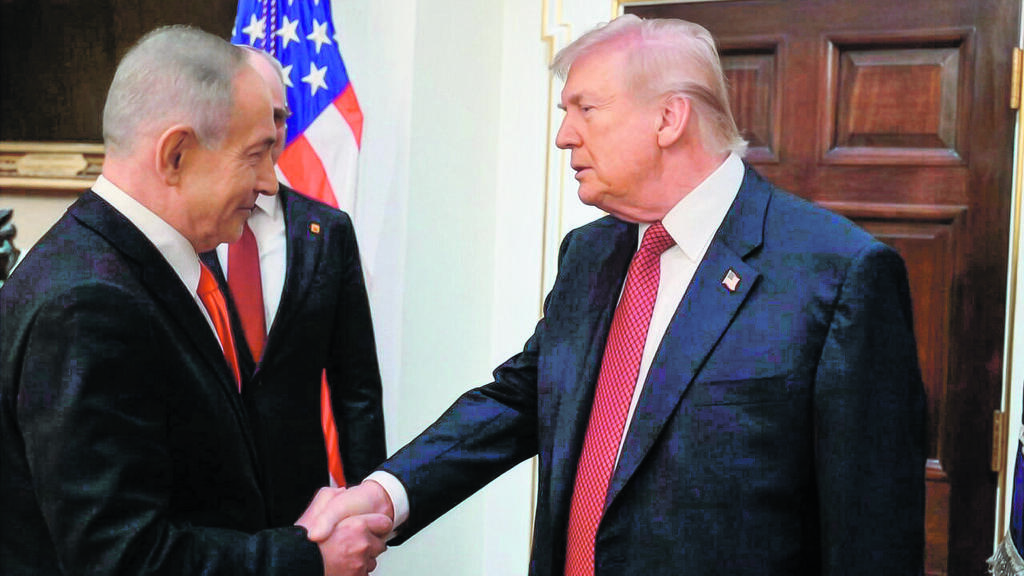
Benjamin Netanyahu and Donald Trump
(Photo: Avi Ohayon/ GPO)
From the perspective of Israeli culture, often described by Dan Senor as the “Startup Nation,” Netanyahu’s proposal resembles an ambitious startup. Like many Israeli ventures, it requires an “American uncle” willing to invest until it becomes a success story, an “exit” made in Israel and scaled in the United States.
It is striking how much attention the article gives to his presence in the Situation Room, where a screen connected to Israel displays a presentation prepared with Mossad and Israeli military officials explaining the rationale for intervention.
Despite the apparent intention to portray him as the “Bad,” Netanyahu emerges instead as highly prepared. In a political environment shaped by communication as much as substance, he appears composed and persuasive. Through his skills as a strategist and communicator, if not fully convincing, he at least frames military intervention as a long-term necessity.
When pressed on the risks, he does not deny them. Instead, he insists on a central point: the stakes, particularly the nuclear issue, are too high. Inaction, in his view, carries even greater risks.
The ugly: Donald Trump
From the outset, it is clear that the final decision rests solely with Trump as president of the United States. The entire narrative revolves around his decision-making process.
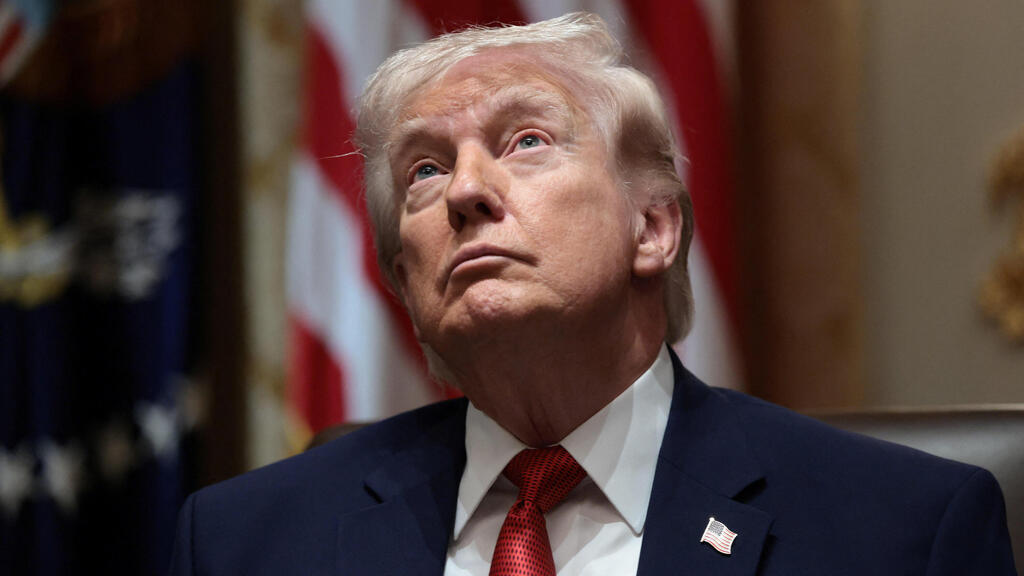
US President Donald Trump
(Photo: Evelyn Hockstein/ Reuters)
Yet, contrary to his portrayal in much of the media as impulsive, the investigation depicts him as willing to listen, attentive to multiple perspectives, like King Arthur at a round table surrounded by advisers. Ten are physically present, while two, Jared Kushner and Steve Witkoff, operate abroad in parallel diplomatic efforts with Iran.
In the final meeting, when opinions are sought on the legitimacy and consequences of a potential strike, the dynamic highlights the importance Trump assigns to each adviser. Ultimately, however, it is not their arguments alone that drive his decision, but a critical misstep by the Iranian regime that proves decisive.
The good: JD Vance
As the presumed “Good,” Vance appears as the most cautious voice within the administration, deeply skeptical and reluctant to commit to a firm position.
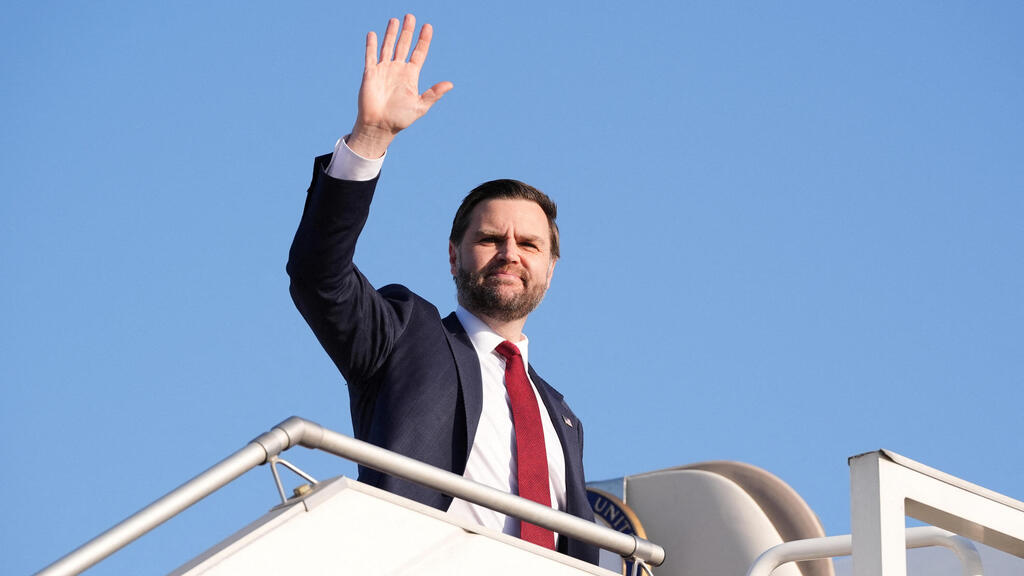
US Vice President JD Vance
(Photo: Jacquelyn Martin/ Reuters)
Paradoxically, while his stated aim is to prevent regional escalation, his hesitation contributes to the very outcome he seeks to avoid. By ultimately aligning with Trump’s decision, he reveals a degree of political weakness rather than strategic clarity.
The Cuban: Marco Rubio
Rubio’s role stands out. I refer to him as “the Cuban” not only to reflect his family’s origins but to emphasize a perspective shaped by historical experience.
Throughout the investigation, Rubio emerges as a key intermediary, bridging more aggressive positions with institutional caution. His background appears to inform a pragmatic understanding of authoritarian regimes.
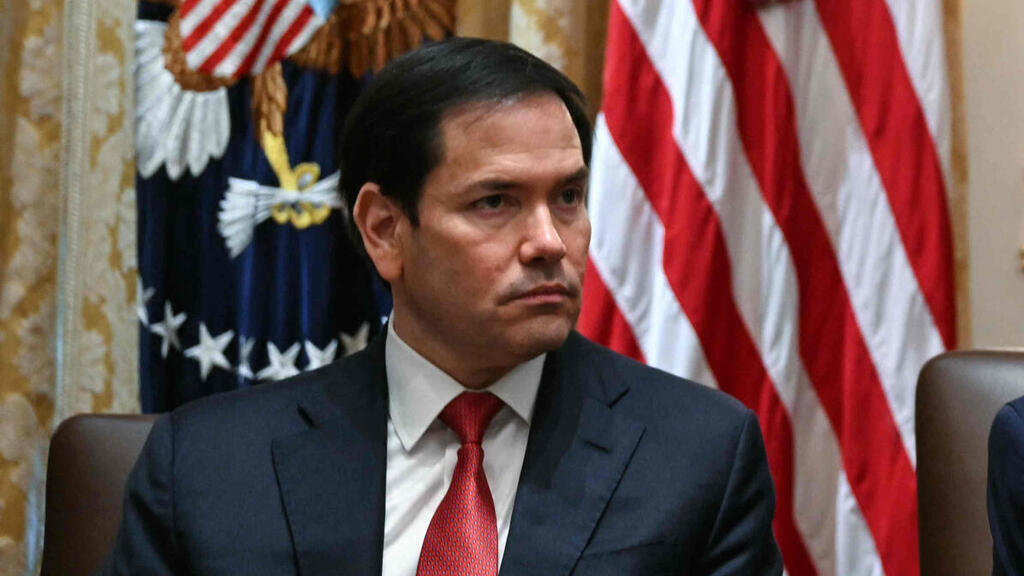
US Secretary of State Marco Rubio
(Photo: Brendan Smialowski/ AFP)
When the moment comes to take a position, he supports Israel, fully aware of the risks. Like a strategist in a high-stakes environment, he offers a clear-eyed assessment of possible outcomes. While skeptical of immediate regime change, he adopts a pragmatic approach shaped by the realities of a region where diplomacy has often struggled to succeed.
The plot twist: the Geneva games
A decisive turning point emerges between the first meeting with Netanyahu on February 11 and the final one on February 26: the failure of diplomacy.
Through negotiations in Oman and Switzerland, Kushner and Witkoff test Iran’s willingness to reach an agreement. At one point, they offer free nuclear fuel for the entire duration of Iran’s program, effectively testing whether enrichment is intended for civilian use or weapons development.
In Geneva, Tehran rejects the offer, calling it “an affront to their dignity.”
This rejection becomes the decisive turning point.
By the final meeting, positions are largely set. Within the administration, few are willing to challenge the direction of the decision.
White House legal counsel David Warrington explains that the plan is both technically and legally viable, while noting that if Israel has already decided to proceed, U.S. involvement becomes a strategic consideration.
Defense Secretary Pete Hegseth frames the issue similarly: if the nuclear question must be addressed eventually, it may as well be addressed now.
Only General Dan Caine, chairman of the Joint Chiefs of Staff, maintains a consistent warning. A large-scale campaign against Iran, he argues, would significantly deplete U.S. weapons stockpiles, particularly missile interceptors already strained by support for Ukraine and Israel.
This constraint may also explain the temporary ceasefire: a two-week pause to replenish defensive systems in case diplomacy fails.
Caine repeatedly urges caution and more time, up until the afternoon of the following day.
But by then, the decision is already made.
Twenty-two minutes before the deadline set by Caine, Trump gives the order: “Operation Epic Fury is approved. Good luck.”
The rest is history.
Fiammetta Martegani writes for the Italian newspaper Il Foglio.