

The Israel-U.S. confrontation with Iran and Tehran’s regional proxies is reshaping the Middle East’s strategic landscape. Nevertheless, beyond the battlefield, the war is also revealing a deeper geopolitical reality: despite its growing economic presence, China is not prepared to play a meaningful security role in the region.
For years, Beijing’s growing economic footprint, from energy imports to massive infrastructure and technology investments, encouraged the belief that it might eventually become a stabilizing force in Middle Eastern politics.
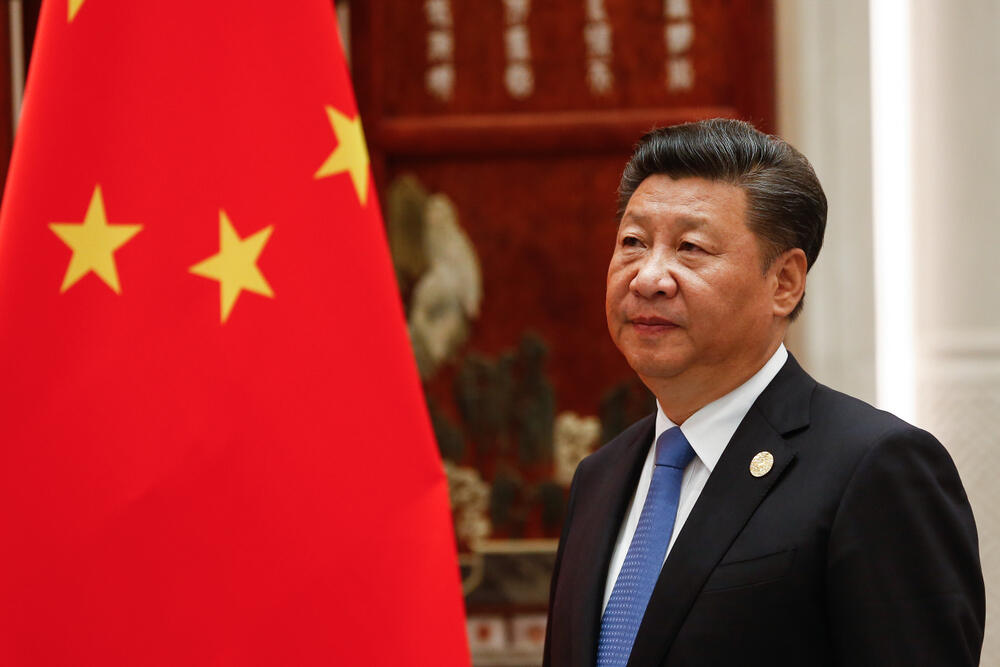
The current war tells a very different story. Despite its massive economic interests in the region, China has once again demonstrated its unwillingness to assume the risks that accompany a responsible world power. Beijing wants access to the Middle East’s markets and energy resources, but it has little appetite for involvement in its wars.
The Israel-U.S. confrontation with Iran has therefore become a powerful reminder of the fundamental limits of China’s regional role.
A familiar Chinese response
Beijing’s reaction to the escalating conflict has followed a familiar pattern: diplomatic statements urging restraint, calls for dialogue and negotiations, and expressions of concern about civilian casualties.
Chinese officials have repeatedly called for an immediate ceasefire and warned against the spread of the conflict across the region. At the same time, Beijing has emphasized the need to protect energy flows and commercial shipping routes, particularly through the Strait of Hormuz, one of the most critical chokepoints in global energy markets.
What has been notably absent is any meaningful attempt to shape the war's strategic outcome. China has not mobilized diplomatic pressure on Iran, offered military assistance or attempted to play a decisive mediating role. Instead, Beijing has largely positioned itself as an observer calling for calm while carefully avoiding deeper involvement. This cautious posture reflects a deeper feature of Chinese foreign policy.
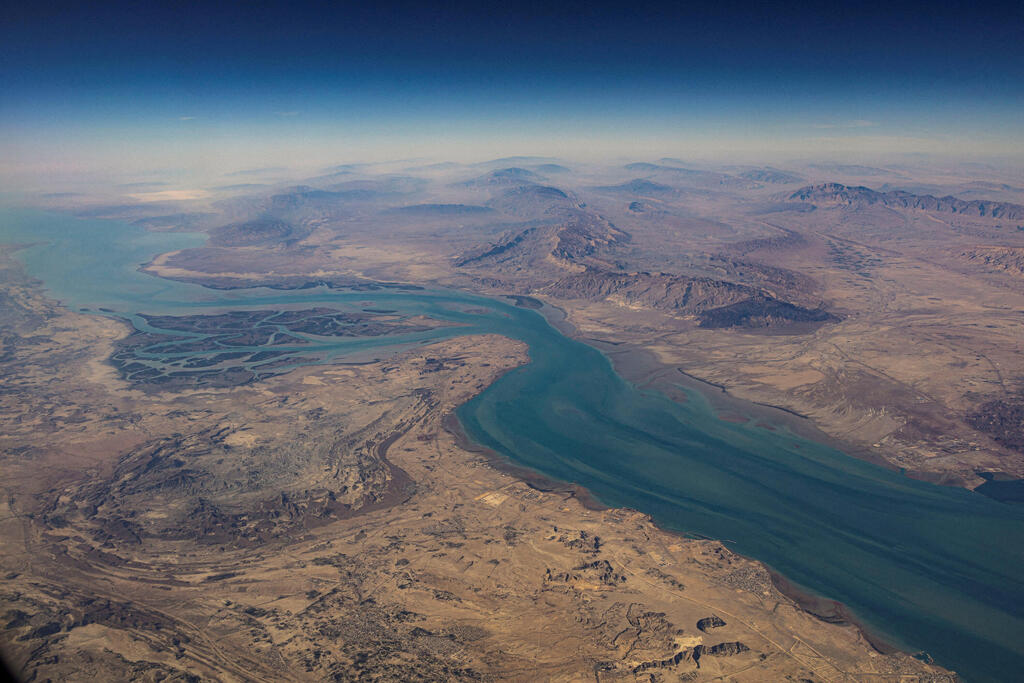
The Strait of Hormuz
(Photo: Reuters)
Unlike the U.S., China maintains almost no formal alliances. Beijing’s leaders prefer flexible “strategic partnerships” rather than binding security commitments. The distinction is crucial. Alliances obligate states to defend one another during crises. Partnerships do not.
China’s relationship with Iran illustrates this difference clearly. Although the two countries describe their ties as a “comprehensive strategic partnership,” the arrangement contains no security obligations. Cooperation exists in areas such as energy trade and economic investment, but Beijing has never committed to defending Tehran.
Chinese policymakers frequently refer to a set of “core interests” that guide the country’s strategic behavior. These priorities include national sovereignty, territorial integrity, domestic political stability and long-term economic development. None of these priorities lies in the Middle East. China’s most pressing strategic concerns are located much closer to home: Taiwan, the South China Sea and the broader Indo-Pacific balance of power.
For Beijing, the Middle East matters primarily as a source of energy and commercial opportunity. China is the world’s largest oil importer, and roughly half of its crude imports come from the Middle East, according to energy market data and industry estimates. As long as oil continues to flow and trade routes remain open, China’s main interests in the region are satisfied.
This explains why Beijing’s diplomacy during the current war has focused more on protecting global energy flows than on shaping the conflict's military outcome.
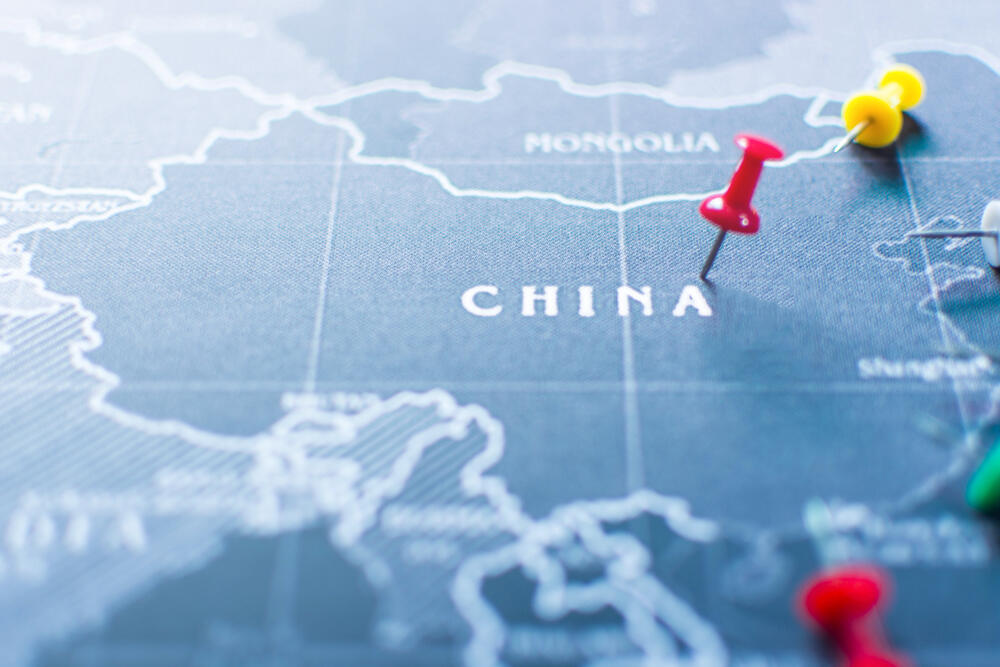
(Photo: Shutterstock)
The war has also highlighted the deeply asymmetric nature of the China-Iran relationship. For Tehran, China represents an essential economic lifeline. Beijing has been Iran’s largest trading partner for years and purchases a significant share of Iranian oil exports. These purchases provide crucial revenue for Iran’s sanctions-constrained economy.
For China, however, Iran is only one of many energy suppliers. Beijing simultaneously maintains extensive economic ties with Saudi Arabia, the United Arab Emirates, Iraq and even Israel. China’s regional strategy relies heavily on balancing relationships with rival states rather than choosing sides.
Providing meaningful military support to Iran would disrupt this delicate equilibrium. It would also risk damaging China’s relationships with Gulf Arab states and intensifying tensions with Washington. For Beijing, the strategic costs of deeper involvement outweigh the benefits.
The current war also highlights a broader pattern that has emerged since October 7. The Middle East has experienced a cascading sequence of confrontations: Israel’s war in Gaza, Hezbollah’s attacks along Israel’s northern border, Houthi assaults on international shipping in the Red Sea and increasingly direct confrontation between Israel and Iran.
At every stage of escalation, China has responded in largely the same way, calling for restraint while avoiding direct involvement. Even as the conflict has widened across multiple fronts, Beijing has remained on the sidelines. This pattern reinforces an uncomfortable reality for those who expected China to play a greater role in stabilizing the region. China prefers to observe Middle Eastern conflicts rather than shape them.
(Photo: Shutterstock)
Chinese policymakers often argue that economic development is the best path toward long-term stability. Infrastructure investment, trade expansion and economic integration, hallmarks of China’s Belt and Road Initiative, are supposed to reduce the underlying conditions that fuel conflict. There is some logic to this argument.
Chinese state-owned enterprises have invested tens of billions in Middle Eastern energy, transport and construction, transforming regional ties through the Belt and Road Initiative. Major projects span Saudi Arabia, the UAE and Iraq, with 2025 data showing continued massive engagement in renewables, ports and critical infrastructure.
Nevertheless, economic engagement cannot substitute for security guarantees when wars erupt. The Middle East’s conflicts are driven by deep political, ideological and strategic rivalries that infrastructure projects alone cannot resolve.
However, Beijing remains reluctant to move beyond its economic role. Chinese policymakers often suggest that the region’s instability is largely the result of decades of Western intervention. From Beijing’s perspective, the U.S. and Europe helped shape the Middle East’s current geopolitical landscape. China, therefore, sees little reason to assume responsibility for managing its conflicts.
What this means for Israel
For Israel, the war provides an important reminder about the nature of global power in the Middle East. In recent years, Israeli policymakers have carefully balanced strong security ties with the U.S. while expanding economic relations with China. Beijing has become a significant trading partner and an important player in sectors such as infrastructure and technology.
(Illustration: Shutterstock)
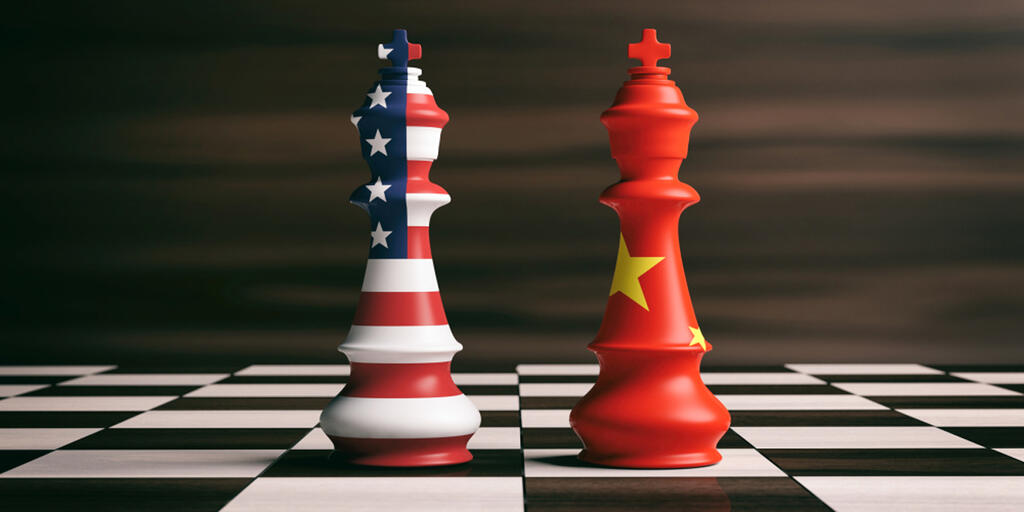
However, the current conflict underscores a critical distinction: China’s role in the region will remain primarily economic, not strategic. When war breaks out, Beijing is unlikely to act as a security partner or decisive mediator.
Despite growing talk of a multipolar world, the Middle East’s security architecture remains overwhelmingly shaped by American military power and alliances. China may become an increasingly important economic actor in the region, but it shows little interest in replacing the U.S. as its primary security provider.
Ultimately, the Israel-Iran war highlights a broader truth about China’s global strategy. Beijing seeks the benefits of great-power status, access to markets, resources and geopolitical influence, without assuming the burdens traditionally associated with strategic leadership.
China is happy to invest billions of dollars across the Middle East and purchase vast quantities of its energy. However, when conflict erupts, Beijing prefers distance over responsibility. For countries across the region, the lesson is becoming clearer with every new crisis.
China may be an indispensable economic partner, but it is not a guarantor of Middle Eastern security. In a region where security remains the ultimate currency of power, that distinction matters more than ever.
- The writer is a senior lecturer in the Department of Politics and Governance and the Multidisciplinary Studies in Social Science division at Ashkelon Academic College and a research fellow at the Asian Studies Department, University of Haifa, specializing in Chinese foreign and strategic relations.