

As families across Israel gather on Monday will around holiday tables laden with honey, pomegranates, apples, dates and delicacies from every tradition to celebrate Rosh Hashana, two contradictory emotions will be present. Some will sit down weighed with frustration, even near despair, over what the past year has brought.
Israel is in the midst of a grueling war with no end in sight, the hostages have not yet returned, their absence piercing the heart of every person with a conscience, society is fractured and polarized, much like before the war, the question of military service equality remains unresolved and nothing seems to be moving forward. The reasons for frustration and disappointment are many.
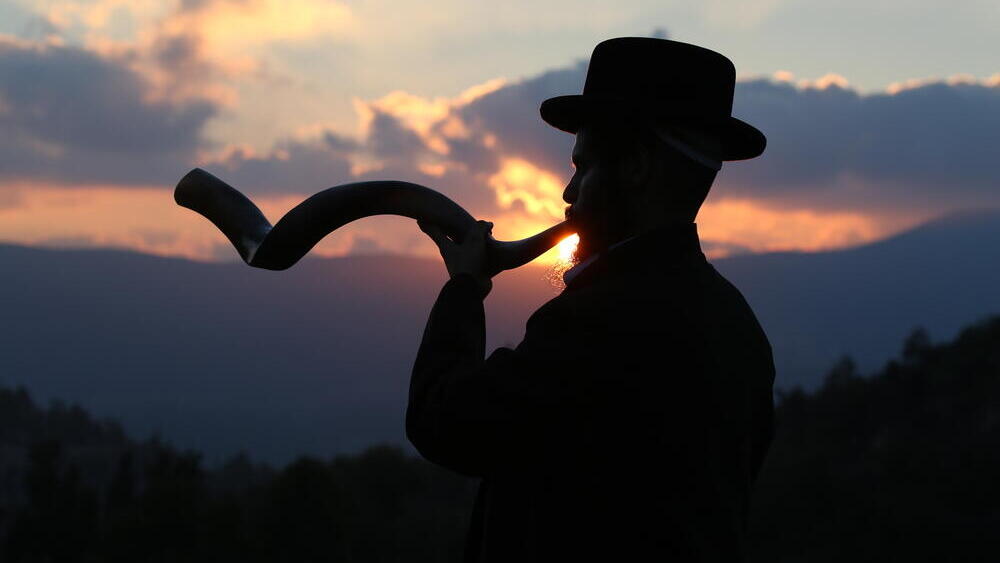
Others will tell a very different story tonight. This was a year in which Syria and Hezbollah collapsed before our eyes, Iran—with all its nuclear ambitions—was dealt a crushing blow, the Houthis felt the weight of Israel’s hand, the economy has largely stabilized and the future looks bright.
Israeli society today moves between these two narratives, sometimes as if they belong to separate planets. In one, the country is on the verge of redemption; in the other, on the edge of an abyss. In one, the leader is the savior; in the other, the destroyer.
The most striking point is that neither group is necessarily wrong. The facts each emphasizes are not denied by the other. The gap lies in the emotional lens—what people choose to focus on. The challenge is that these two stories rarely meet, hardly even acknowledging one another’s existence.
Perhaps the message of this holiday, Rosh Hashanah, can offer a way forward. On the surface, nothing in nature is changing tonight. Spring is not starting, cherry blossoms are not blooming. So why does this day mark the start of a new year? What is the essence of its renewal?

Rosh Hashana symbols
(Photo: Neirfy / Shutterstock)
Like a personal birthday, when each of us reflects on past achievements and future goals, Rosh Hashanah is a time for humanity to conduct a moral reckoning. In Jewish tradition, it marks the creation of humankind, when man was crowned as a rational being with dominion over the world.
“Be fruitful and increase in number; fill the earth and subdue it. Rule over the fish in the sea and the birds in the sky and over every living creature that moves on the ground.” With this dominion came free will, and with free will came responsibility—the need to give an account to ourselves and to our Creator.
Unlike a personal birthday, the Jewish sages taught that the new year is not only about looking back but about beginning anew. On this day, the world itself is said to be recreated. It is not merely reflection but rebirth.
We all arrive with last year’s insights, experiences and emotions, which are difficult to shed. Yet this is precisely the purpose of Rosh Hashanah: to release old vows, replace exclamation marks with question marks, and enter a new adventure that a fresh year brings. That is the holiday’s promise.
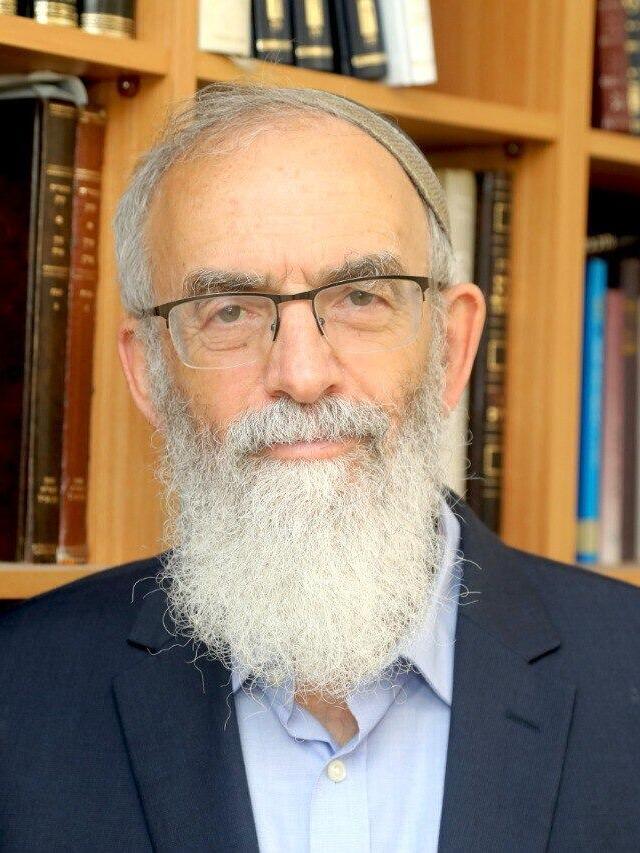 Rabbi David StavPhoto: Tzohar Rabbinical Organization
Tonight, as we dip apples in honey, the task is not to choose between last year’s narratives. It is to affirm that neither must dictate the future. We must recall the power of free will, unbound by yesterday’s joys or sorrows. We can believe in a better future for Israel and the Jewish people even if yesterday’s story was dark.
We can prepare for hardship even if the past year seemed sweet. The essence of Rosh Hashanah is the faith in our capacity to create ourselves anew. May the year begin, and with it, its blessings.
Rabbi David Stav is chairman of the Tzohar Rabbinical Organization and chief rabbi of Shoham.