


A day after Hezbollah entered the fighting, and amid the intensified Israeli campaign in Iran, Israel decided that operations in Lebanon would remain a secondary effort. That is despite what officials describe as a significant opportunity to deal Hezbollah a potentially devastating blow.
Even with that strategic decision, the activity led by Northern Command demonstrates Israel’s ability to exact a heavy price from Hezbollah for what officials call a strategic mistake in choosing to fire on northern Israel and intervene on Iran’s behalf.
Footage of IDF strikes in Lebanon
(Video: IDF)


According to Israeli assessments, Hezbollah has fallen into a strategic trap that Israel is now exploiting in three main ways.
Targeting Hezbollah’s finances
The first and most significant effort is economic. The IDF has focused on Hezbollah’s financial arm, particularly the Al-Qard al-Hasan association. Branches linked to the organization were struck, dealing a blow to the group’s financial infrastructure.
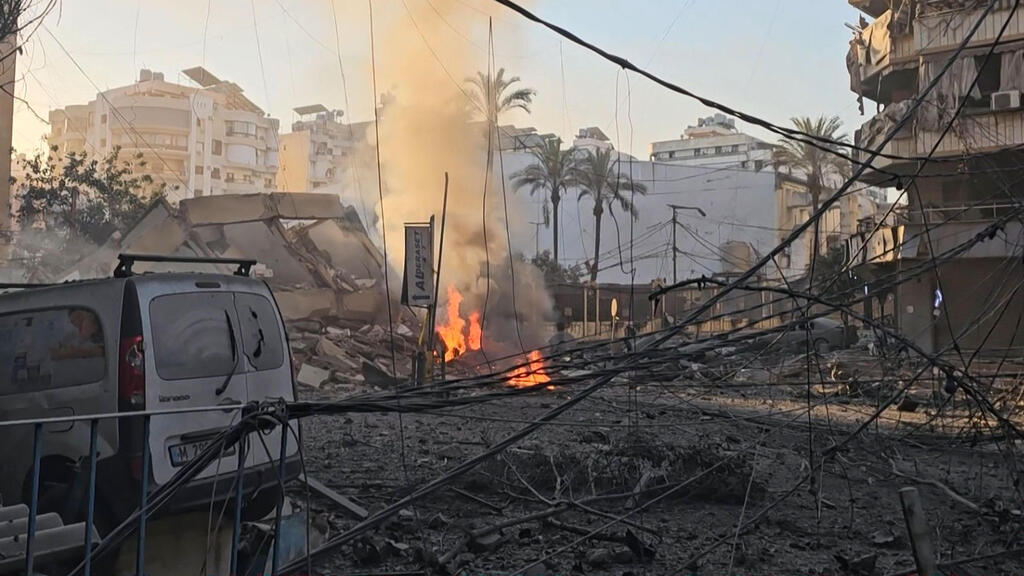
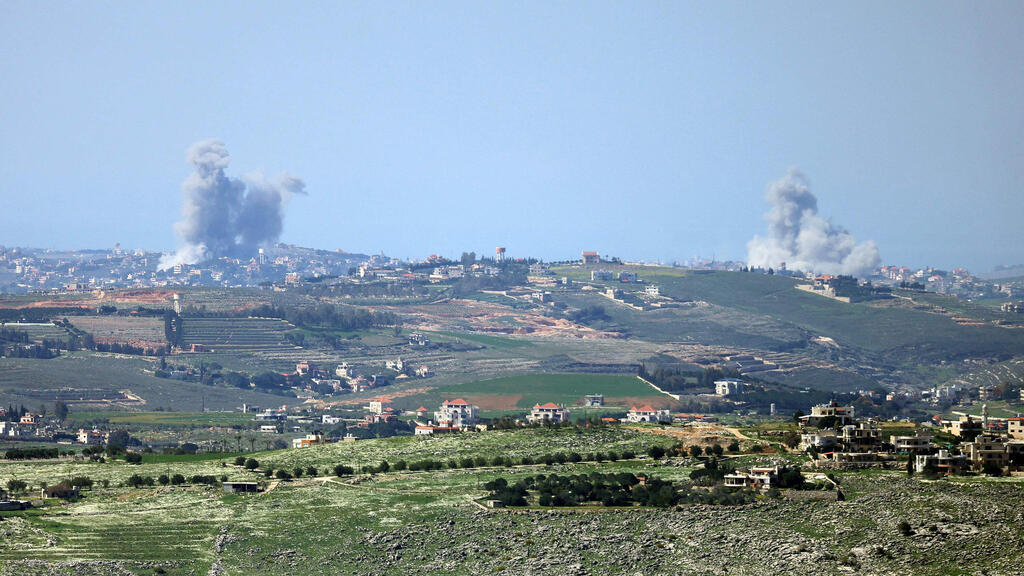
IDF attacks Hezbollah in southern Lebanon
(Photo: Rabih Daher / AFP)
Although Iran has reportedly transferred more than $1 billion to Hezbollah since Operation Like a Lion, Israeli officials say the damage to the organization’s funding sources, combined with the displacement of residents from southern Lebanon, creates leverage both over Hezbollah and over the Lebanese government.
Lebanon’s government and the Shiite community now face a dilemma, and internal pressure on Hezbollah is mounting. Israeli officials believe the group’s decision to enter the fighting could ultimately prove a strategic setback for Hezbollah within the broader regional confrontation.
Degrading operational capabilities
The second effort focuses on Hezbollah’s military strength, particularly its Badr unit north of the Litani River. The IDF has targeted operatives, eliminated senior figures and struck military infrastructure in the area.
Among those killed was Rida Hazzai, described by Israeli officials as responsible for coordinating between Hezbollah’s operational needs and the resources provided by Iran.
The third effort, announced Tuesday by the IDF spokesman, involves taking control of key terrain inside Lebanese territory in front of Israeli communities, in addition to five positions already established.
IDF Chief of Staff Lt. Gen. Eyal Zamir during a situation assessment at Northern Command
(Video: IDF)
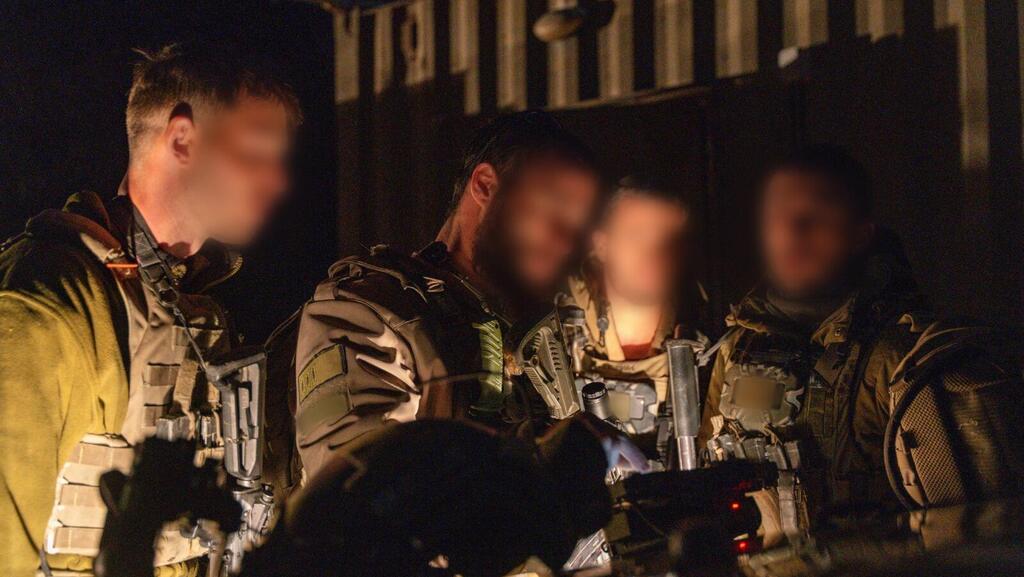
IDF forces from the 91st Division
(Photo: IDF)
Northern Command described the move as the creation of new outposts in a “security zone” extending roughly 4 to 5 kilometers into Lebanon. The stated objective is to prevent the Radwan Force, Hezbollah’s elite unit, from launching cross-border raids and to block direct anti-tank fire on Israeli towns.
The IDF began implementing this plan overnight. Residents in northern Israel are expected to see Israeli positions separating them from Hezbollah forces. The deployment is intended to remain in place until Hezbollah no longer poses a threat, whether through pressure from the Lebanese government or further Israeli military action.
Beyond enhancing security for Israeli civilians, the move is also viewed as a cost imposed on Lebanon, which effectively loses territory due to Hezbollah’s decision to join the fighting despite Israeli warnings to Beirut.
Refusing Hezbollah’s equation
The situation in Lebanon is far from resolved. So far, however, Israel appears unwilling to accept the escalation framework that Hezbollah attempted to establish.
Hezbollah’s limited entry into the fighting, reportedly under Iranian pressure, has been met with a forceful Israeli response, even without the large-scale ground maneuver the IDF has prepared but has not yet activated, as long as the campaign in Iran continues.
Lebanon’s government and its Shiite community are under growing strain, and Israeli officials see Hezbollah’s decision as a possible turning point within what they describe as a broader regional axis war.
That axis includes Iran, the Houthis in Yemen and Shiite militias in Iraq. While those groups have not fully entered the confrontation, they have attempted to target U.S. bases across the Middle East.
In addition to the Iranian and Lebanese fronts, Israel has also sent a warning to Syria’s leadership. Damascus was cautioned not to exploit the situation to harm the Druze population in the Suwayda region. According to Israeli officials, Israel is prepared for potential action against jihadist organizations operating inside Syria if necessary.