

In late June, the United States quietly helped broker a breakthrough: the Democratic Republic of Congo (DRC) and Rwanda signed a peace agreement in Washington, aimed at ending years of proxy conflict and violence in eastern Congo. Just days later, the Congolese government and the M23 rebel group signed a ceasefire deal in Doha. Together, these developments mark one of the most promising efforts to stabilize Central Africa in decades—and highlight what determined U.S. diplomacy can still achieve.
The U.S.-backed framework commits Rwanda to withdrawing troops from eastern DRC within 90 days and outlines steps for joint economic cooperation. The M23 rebels, long accused of being backed by Kigali, also pledged to halt hostilities and enter talks. After years of failed efforts, it was strong American pressure—and the promise of economic rewards—that pushed both sides to the table.
Gallery
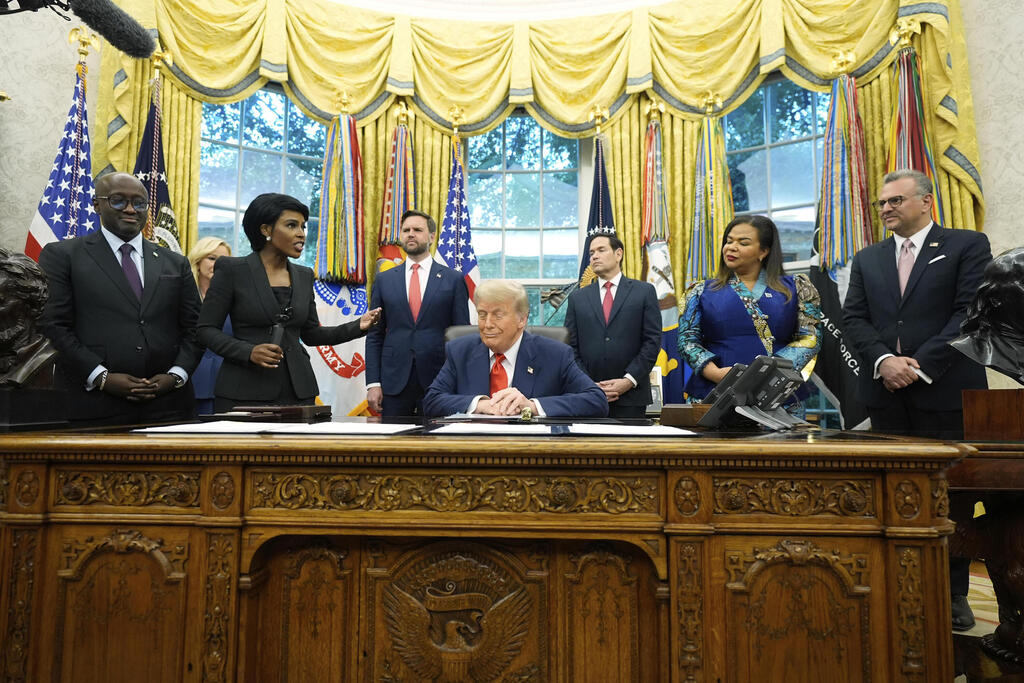
US President Donald Trump meets with the foreign ministers of Rwanda and Democratic Republic of Congo at the White House
(Photo: AP Photo/Manuel Balce Ceneta)
This peace process matters far beyond Congo. Eastern DRC has been the epicenter of war and displacement for nearly three decades. Stabilizing it would ease pressure on neighbors like Uganda and Burundi, and help unlock vast mineral wealth vital for global industries. U.S. involvement has not only defused a dangerous regional flashpoint but created a framework that could draw investors, reduce refugee flows and gradually disarm militias.
The model here is worth studying. High-level U.S. engagement, combined with regional support and tangible incentives, worked. America didn’t go it alone—it partnered with Qatar to align the M23 track with the broader DRC-Rwanda deal. And the process smartly paired security guarantees with promises of economic development. This is diplomacy with teeth.
For Israelis, the implications are clear. We have long benefited from U.S.-brokered peace efforts—from Camp David to the Abraham Accords. Sudan, for example, was moving toward normalization with Israel under U.S. mediation before descending into war. The Congo deal shows that even entrenched conflicts can shift with the right blend of pressure and pragmatism.
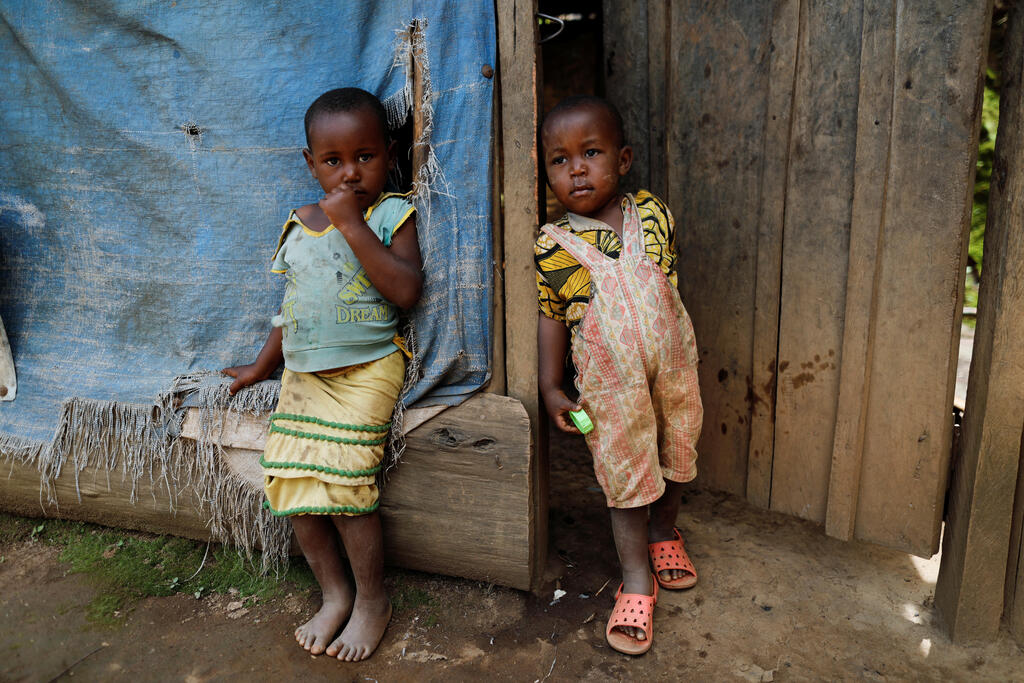
The Democratic Republic of the Congo
(Photo: Reuters)
Sudan’s civil war today mirrors the DRC-Rwanda-M23 crisis in some respects: rival factions, outside interference, competition over resources and humanitarian collapse. Could a similar model—backed by U.S. leadership, regional cooperation and economic incentives—push Sudan’s generals toward peace and perhaps even reconnect the country to the Abraham Accords process? The chances may seem slim, but so did a Congo-Rwanda deal just months ago.
The Washington agreement isn’t a magic fix. There are still spoilers on the ground and plenty of mistrust. But it shows that with engaged diplomacy, even long-simmering conflicts can move toward resolution. In a world where war too often seems inevitable, this quiet success deserves attention—and perhaps replication.
- Dr. Asher (Asi) Lubotzky is a Senior Research Fellow at the Israel-Africa Relations Institute and a teaching fellow in the political science department of the University of Houston.
First published: 19:46, 07.19.25