

We tend to treat the Israel Defense Forces as oxygen—transparent, essential and taken for granted until it is missing. But a glance at Berlin or Tokyo in April 2026 shows that a functioning military is not a natural byproduct of sovereignty, but a rare and fragile phenomenon in modern history. In the 21st century, for most citizens in the West, the state has become a “service provider”—and for a service provider, no one is willing to die.
Start with Germany, Europe’s largest economy, which is experiencing deep social strain. Just two weeks ago, public anger erupted after the German Defense Ministry issued a regulation requiring draft-age men to notify authorities if they intend to leave the country for more than 90 days. Despite Chancellor Olaf Scholz’s Zeitenwende and the injection of 100 billion euros, the Bundeswehr remains effectively hollow, with operational readiness below 30% in its airborne units. Germany has discovered that military capability cannot be rebuilt through funding alone.
On the other side of the world, Japan is undergoing its most significant defense shift since 1945 under Prime Minister Sanae Takachi. She is advancing efforts to repeal Article 9 of the constitution, which restricts Japan from maintaining an offensive military. Defense spending has been raised to 2% of GDP, but building credible deterrence against China depends on a younger generation willing to serve—something Japan currently lacks.
China presents a different model. It maintains a technologically advanced military with more than 370 naval vessels and high-end platforms, some of which are considered comparable or superior to US systems. However, internally, the system is constrained by political control and limited battlefield experience. The People’s Liberation Army has not fought a sustained modern war in decades. It trains extensively, but its real-world combat performance remains untested.
Turkey represents a more active model of military capability. With a defense budget of $27.3 billion and NATO’s second-largest army of approximately 480,000 troops, it treats military readiness as an evolving system. In March alone, amid financial pressure linked to regional tensions, Turkey sold 120 tons of gold to support its defense financing.

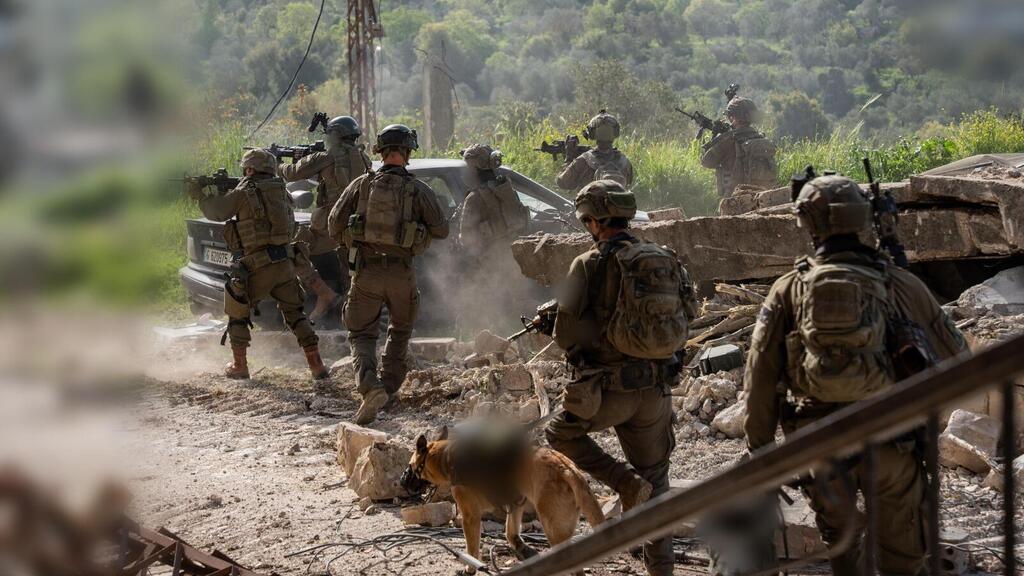
(Photo: IDF)
Within this global landscape, Israel stands out. The IDF is among the few Western militaries maintaining full operational capability under continuous, prolonged combat conditions.
Over 30 months of fighting, despite significant refusal to serve in parts of the population and an unsustainable reserve burden, Israel has maintained high operational performance and mission execution across multiple fronts. Each component of military activity requires sustained excellence and coordination across a wide range of theaters, including unprecedented cooperation with the United States military. At the same time, within Israel this is often treated as routine rather than exceptional.
From this position of strength, the text argues, peak operational effectiveness is the appropriate moment for structural reform. This includes increased transparency in defense budgeting to avoid long-term economic distortion, as occurred in the aftermath of the Yom Kippur War; legislation to ensure broader and more equitable enlistment; and modernization of the military command structure.
International experience suggests that once a military ethos begins to erode, no level of funding can fully restore it. The conclusion is that this is the moment for significant reforms intended to preserve the Israel Defense Forces’ operational superiority in the coming years.