

For those preparing to buy property in Israel in 5786, here is a practical buyer’s checklist to start the year with clarity.

1. Hire a realtor
Let’s start with the fun question: do you even need a realtor? Legally, the answer is no. You can buy a property in Israel without one.
But let me ask you this: would you walk through the Amazon rainforest without a guide? The reality is, the culture, the mentality, the ways of doing business, it’s all different here. I’ve learned that firsthand through years of raw experience living, serving my country, and working in Israel. This is the Middle East with a Western twist, not the other way around. And that’s overwhelming for most buyers coming from abroad.
Sometimes people get fixated on our 2% + VAT commission. But the truth is, the right agent who has your interests front and center will save you much more than that in negotiations and stress. I know which properties have been sitting, which offers were rejected, and where the wiggle room is. That’s information buyers on their own simply don’t have.
A skilled realtor who speaks your language, understands your expectations, and knows the market can turn what feels like a maze into a guided path.
2. Hire the right lawyer
Often, finding your perfect property is the easiest part. Closing the deal, however, depends heavily on having a lawyer who specializes in real estate and knows how to get it done.
Here’s something many foreign buyers don’t realize: in Israel, it’s the lawyer, not the realtor, who executes the contract. That makes hiring a lawyer not optional but essential in order to complete a real estate transaction. Fees for real estate lawyers typically range from 0.5% to 1.5% of the purchase price, plus VAT, depending on the scope of work and the lawyer. In this industry, the difference between a deal going through or falling apart can often come down to issues that should have been addressed in the contract stage. A lawyer with the right background in real estate understands the nuances, knows how to protect the client, and ensures the deal can properly move forward.
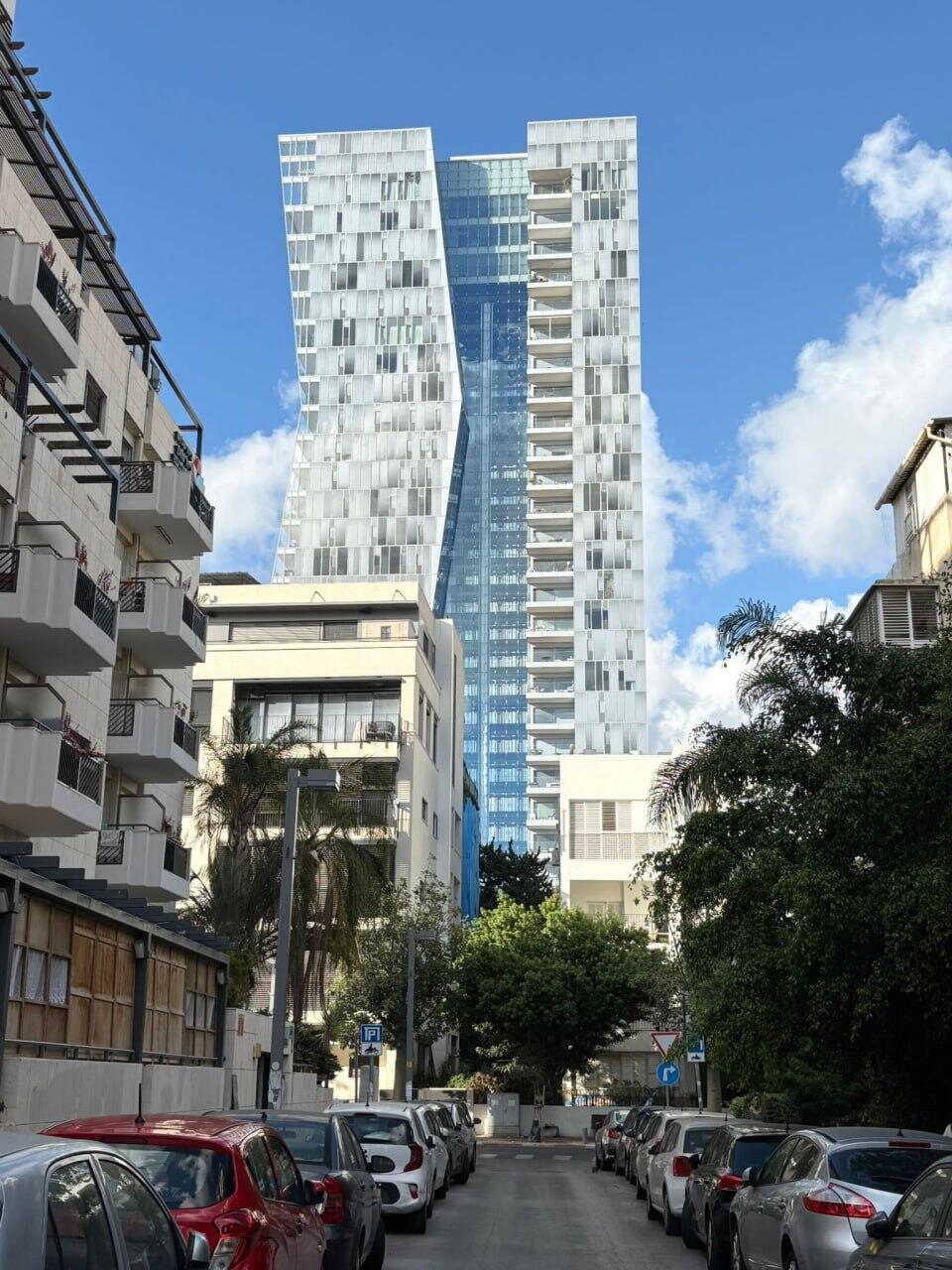
Property in Israel
(Photo: Noah Sander)
While any licensed attorney in Israel can technically draft a contract, in my experience it is imperative that your lawyer specializes in real estate, has handled transactions recently, and ideally has worked with foreigners. For those coming from abroad, it’s equally important to have someone who speaks your language, understands cultural nuances, and makes sure nothing gets lost in translation.
For example, your lawyer will also calculate your purchase tax. This figure varies drastically depending on your status, and for those planning to make Aliyah within the next two years, there may even be significant retroactive tax benefits available. The potential savings can reach hundreds of thousands of shekels, which is why you want someone in your corner you have full trust in. A capable real estate lawyer will protect you from hidden pitfalls, explain the contract clearly, and give you peace of mind, so you can sleep at night knowing your interests are safeguarded.
3. Secure a mortgage broker
If you plan on taking out financing in Israel, hiring a mortgage broker is important. Israeli banks don’t always offer the most competitive terms directly. A broker who represents you can shop around and secure the best rates and structures that fit your financial plans.
And it’s not only about rates. A good mortgage broker takes the time to understand your financial background and your goals for the future. With that knowledge, they can help lock in not just the cheapest mortgage, but the one structured in a way that best supports your long-term financial health - whether that means more flexibility, lower risk, or a payment schedule tailored to your income.
Borrowing limits also depend on your status. Foreign residents are typically limited to borrowing up to 50% of the property’s value. By contrast, Israeli citizens or new immigrants with an Israeli ID can borrow up to 75%, even if they don’t yet live here full time. A capable broker will not only secure favorable terms, but also explain clearly how much you can borrow, under what conditions, and what repayment will look like in the years ahead. Typically mortgage brokers charge around 1% + VAT of the borrowed amount.
4. International money transfers companies
Moving large sums from abroad into Israel isn’t as simple as sending a wire transfer. In fact, the commissions Israeli banks charge are often far higher than those of specialized currency transfer companies. The difference in savings can be drastic and can often amount to tens of thousands of dollars when transferring hundreds of thousands or even millions.
For example, some dedicated transfer companies may charge around 0.25%, whereas one of the main banks in Israel can charge upwards of 2%. On a large purchase, that gap adds up very quickly. In my experience, it is always worth exploring specialized transfer companies to make sure you keep as much of your money as possible in your own pocket. Beyond lower commissions, these companies also tend to offer more competitive exchange rates than the big banks, another factor that can save buyers substantial sums.

Property in Israel
(Photo: Noah Sander)
5. Putting it all together
When new clients come to me with a blank canvas - no realtor, no lawyer, no broker, no idea where to start, this is where I can provide the most value in addition to my traditional real estate services. My process is straightforward: after our initial consultation, once I understand your needs and timeline, I’ll connect you with several vetted professionals in each category. I encourage clients to have introductory conversations with them and choose the ones they feel most comfortable with. Once the “all-star team” is in place and we’ve identified the right property, the process becomes seamless.
Instead of stress and confusion, I aim to provide a turnkey experience, working only with professionals who know my expectations, understand the standard of service I demand, and consistently deliver. My role is to keep things as quiet and simple as possible on your end, while my team and I handle the noise and intricacies of the Israeli real estate market. From our first conversation, through contract, and long after signature, I’m there with you every step of the way.
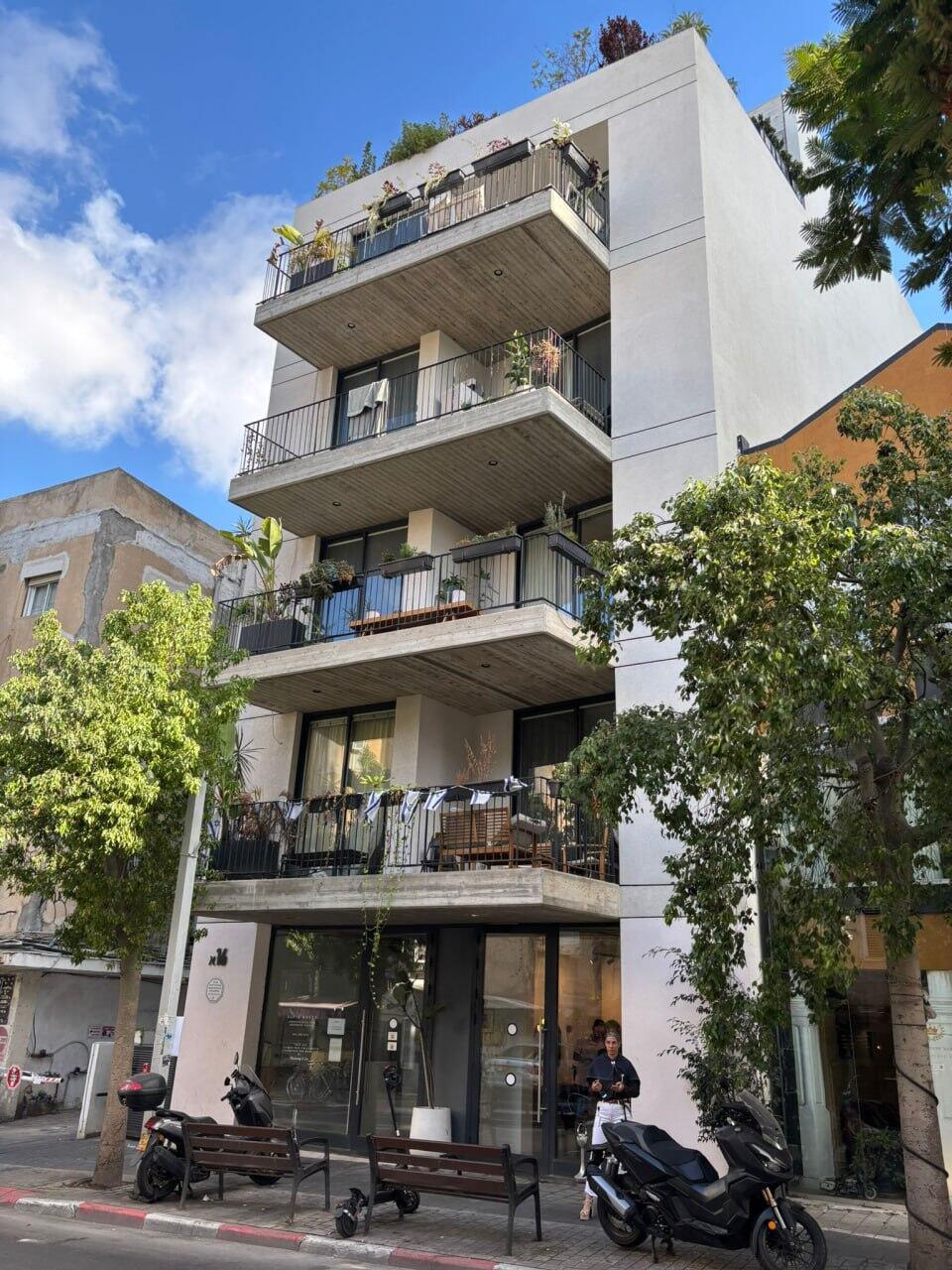
Property in Israel
(Photo: Noah Sander)
Closing thoughts
For many foreign buyers, the idea of purchasing in Israel is exciting but can also begin with hesitation. There’s often a wide cultural and language gap, uncertainty about whom to trust, and the fear of making costly mistakes. My goal is to replace that apprehension with clarity and peace of mind.
As we enter this new year, my hope is that more people will take this step, not only as a financial decision, but as a deeply personal one. Buying property in Israel is about more than bricks and mortar. It’s about planting roots, building a future, and becoming part of the story of this country - a nation emerging from one of the most difficult chapters in its history, and I believe, standing at the gates of what will be its best era yet.
Shana Tova and G’mar Hatima Tova - may it be a year of prosperity, health, security, and new beginnings.
Noah Sander is a Canadian-born real estate agent based in Tel Aviv, specializing in helping international buyers and new olim navigate the Israeli property market. For inquiries: [email protected], his brokerage: Daon Group Real Estate